How to Become a Technical Project Manager (TPM) in 2026
How to Become a Technical Project Manager (TPM) in 2026
If you are currently working as a software developer, IT analyst, or even a standard project manager, you have likely noticed a massive shift in how technology products are built.
Engineering teams are moving faster than ever, and business stakeholders are demanding quicker ROI. The problem? These two groups rarely speak the same language. Engineers talk in terms of API latency, technical debt, and sprint velocity. Executives talk in terms of market share, budget constraints, and quarterly goals.
This communication breakdown is exactly why the Technical Project Manager (TPM) has become one of the most highly sought-after and lucrative roles in 2026.
A TPM does not just track deadlines; they understand the underlying architecture of what is being built. If you want to stop just taking orders and start driving enterprise-level technical strategy, here is the exact roadmap to transition into a TPM role.
1. What is a Technical Project Manager (vs. a Standard PM)?
Let’s clear up the biggest point of confusion right away. A standard Project Manager (PM) focuses heavily on process, budget, and scope. They can manage a marketing campaign just as easily as they can manage a software rollout because their expertise is in frameworks (like Agile or Predictive).
A Technical Project Manager (TPM), on the other hand, possesses deep, domain-specific technical knowledge.
While a TPM rarely writes the actual code, they must be able to:
- Evaluate whether a developer’s timeline for a cloud migration is realistic.
- Understand the dependencies between a legacy database and a new machine learning model.
- Translate complex technical roadblocks into business risks for the executive board.
(Curious about how much TPMs make? Check out our breakdown on Project Manager Salary Expectations in India vs. Global).
2. The 3 Core Skills Every TPM Must Master
If you want to survive technical interviews and excel on the job, you need a very specific blend of hard and soft skills.
A. Technical Fluency (Not Just Literacy)
You do not need to be a senior architect, but you must be technically fluent. You need a working knowledge of system architecture, cloud computing (AWS, Azure), API integrations, and cybersecurity fundamentals. When an engineer says, “We can’t release tomorrow because the load balancer is failing,” you need to know exactly what that means and how it impacts the critical path.
B. Advanced Agile & Scrum Mastery
TPMs live and breathe Agile. You will be running daily stand-ups, managing sprint planning, and facilitating retrospectives for highly technical teams. You must know how to eliminate blockers for your engineers without micromanaging them. (Need a refresher? Read our Ultimate Guide to Scrum Events).
C. Ruthless Translation & Communication
This is where most engineers fail when trying to become TPMs. Your job is to act as a translator. You must take a highly complex technical issue, strip away the jargon, and explain the business impact to a non-technical CEO in 30 seconds or less.
3. How to Transition from IT/Dev to TPM
Moving into a TPM role doesn’t happen by accident. Here is a proven three-step roadmap:
- Step 1: Volunteer for the “Glue” Work. If you are a developer, start volunteering to write the technical documentation, run the daily stand-ups, or present the sprint review to stakeholders. Prove you can handle the communication side of the job.
- Step 2: Learn the Business Side. Engineers focus on how something is built. TPMs focus on why it is being built. Start asking your product managers about user acquisition metrics, budget constraints, and market strategy.
- Step 3: Formalize Your Framework Knowledge. Technical skills alone will not get you the job. You must prove you understand how to orchestrate a project lifecycle from start to finish. This is where getting certified becomes non-negotiable.
4. The Best Certifications for TPMs in 2026
To get past the HR filters and prove your strategic value, you need the right credentials backing up your technical background.
- PMP (Project Management Professional): The absolute gold standard. It proves you understand Hybrid methodologies, risk management, and enterprise-level business environments. (Join our next PMP Online Live Training Batch to fast-track your credential).
- CSM (Certified ScrumMaster): Essential for TPMs working in software development. It proves you can effectively facilitate a Scrum team and manage agile delivery.
- PMI-ACP (Agile Certified Practitioner): For TPMs who need to go beyond Scrum and master Kanban, Lean, and XP frameworks.
Keep advancing in your PMP journey — explore our other in-depth guides
- Agile vs Waterfall: Which Methodology is Right for Your Project?
- The 5 Scrum Events Explained: Purpose, Attendees, and Effective Execution
- Why PMP Aspirants Fail? – And How to Avoid Them
- Confused Between Agile, Hybrid, and Predictive? Here’s a Clear Comparison
- Why You Should Track Your Errors — and How to Do It Right
Your first project is calling—will you answer? Join the ShriLearning Community Connect with fellow PMP aspirants and expert instructors. Crete your study plan for free from ShriLearning study-plan-generator.
FAQs
More for you
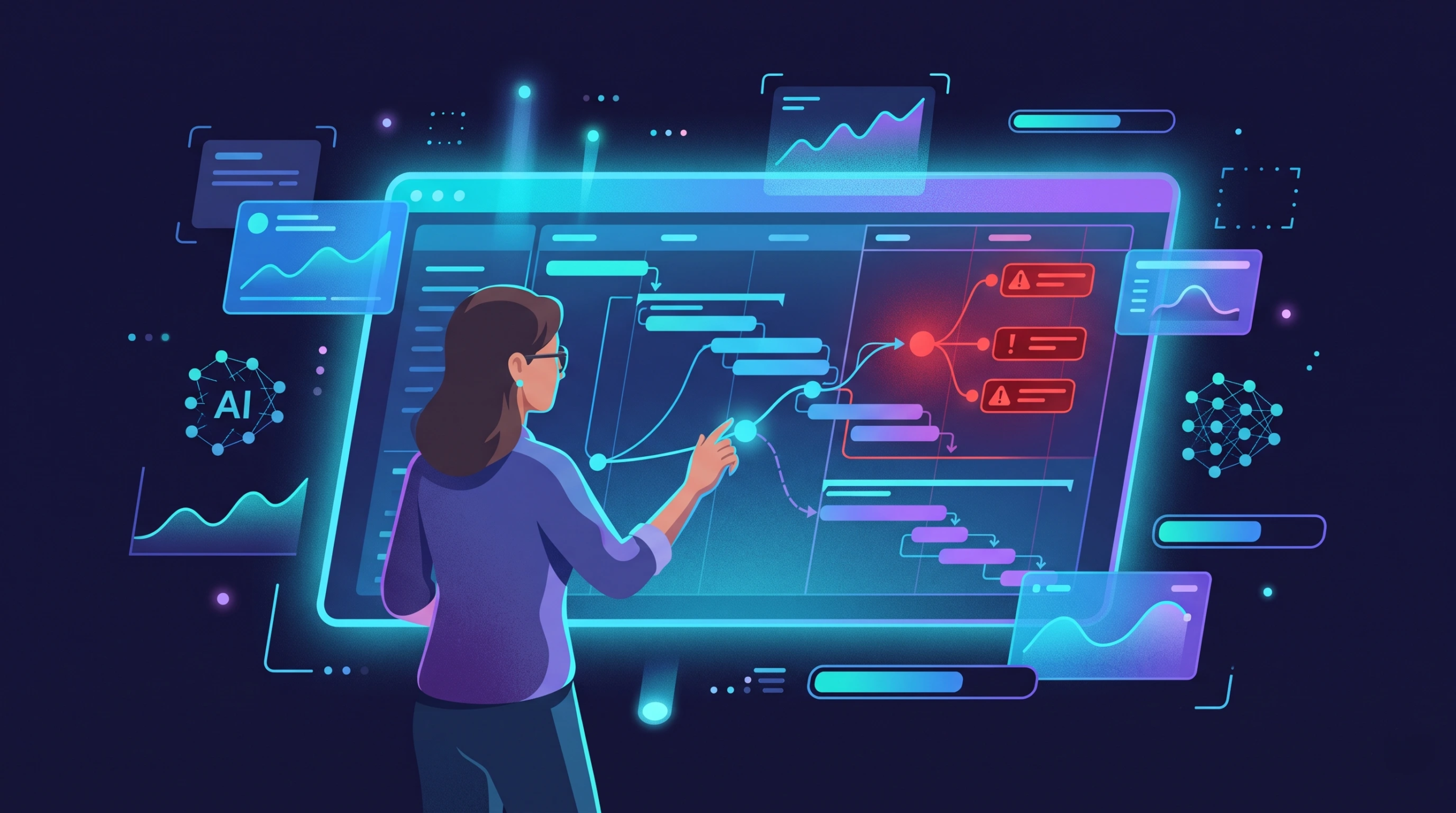
How to Use AI in Project Management: 10 Practical Workflows
saketpratapsinghdm2026-10-24T15:48:41+05:30October 24th, 2026|
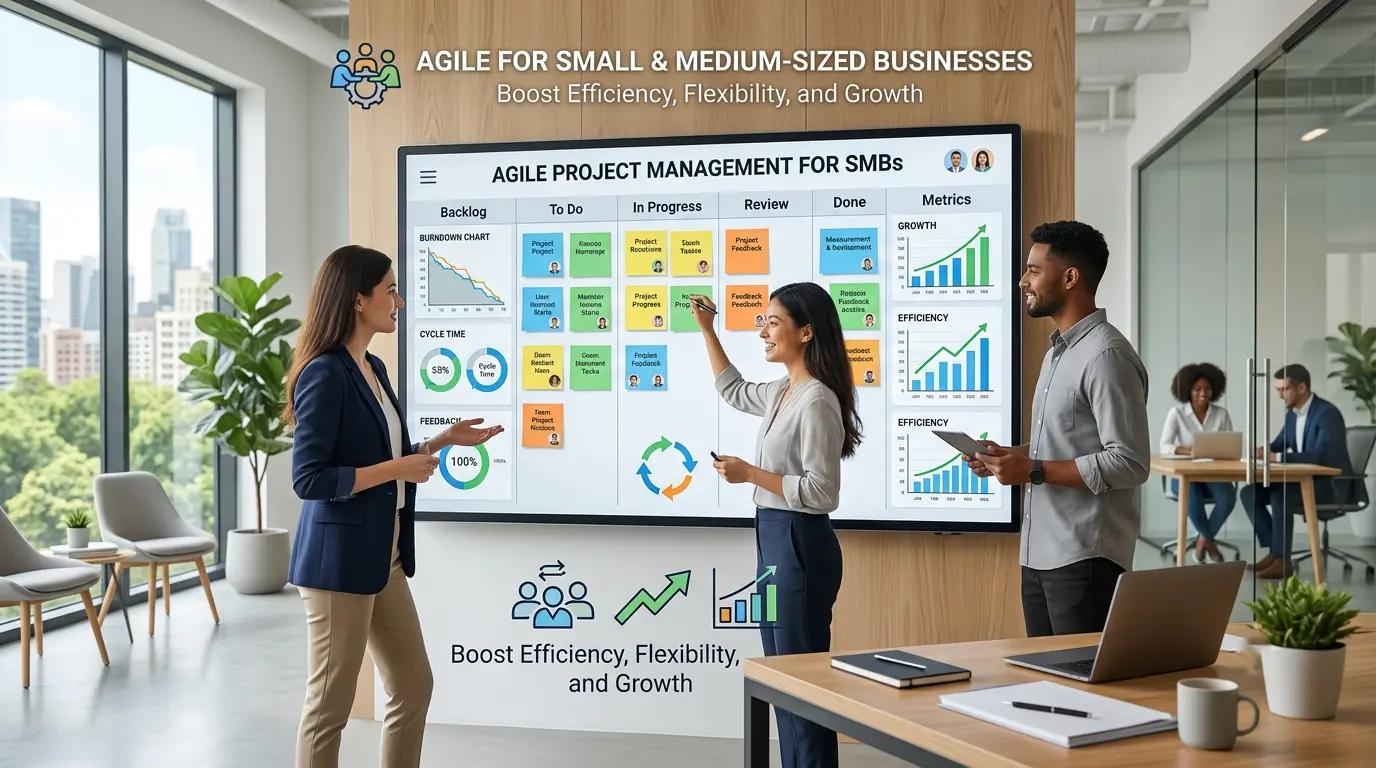
Benefits of Agile Project Management for Small and Medium-Sized Businesses
saketpratapsinghdm2026-09-28T10:12:30+05:30September 28th, 2026|
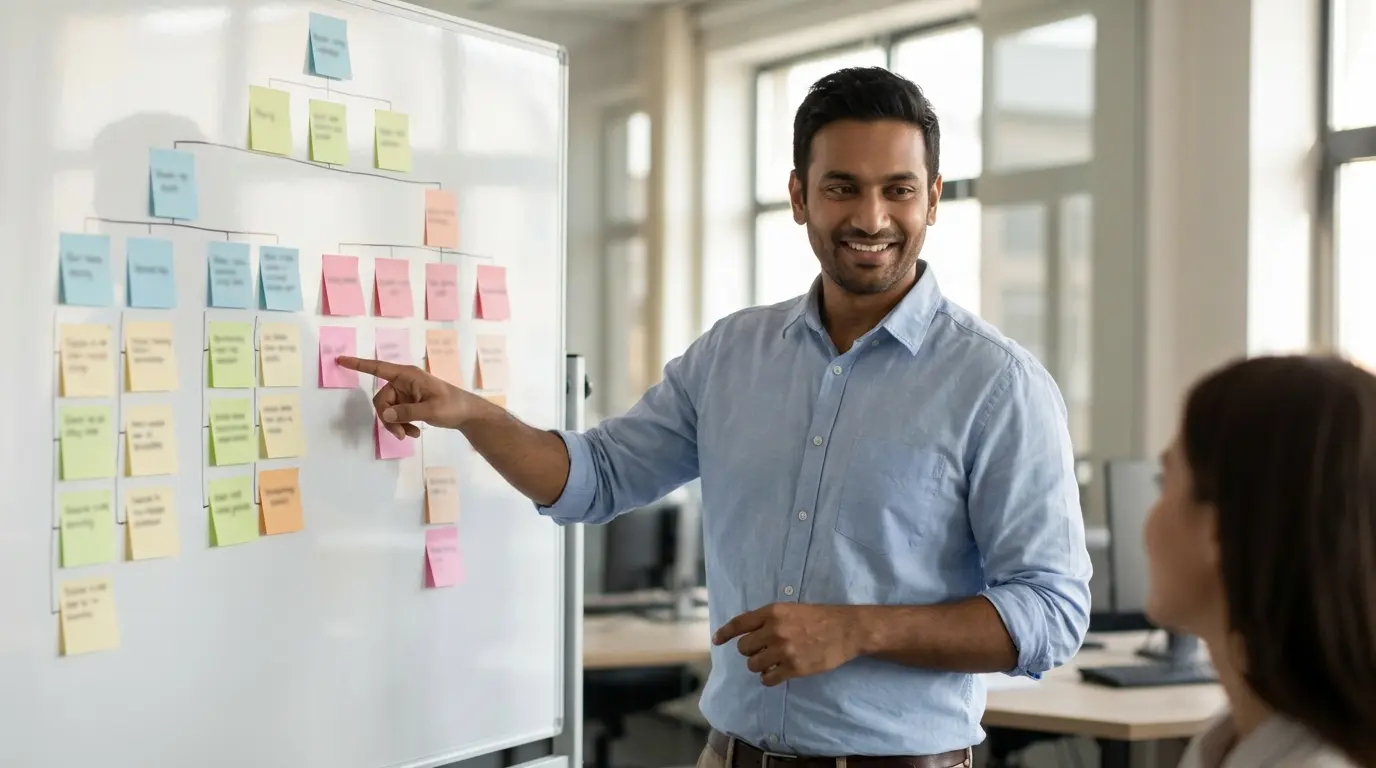
Work Breakdown Structure (WBS): The Complete PMP Guide, With a Worked Example
saketpratapsinghdm2026-09-21T16:48:15+05:30September 21st, 2026|
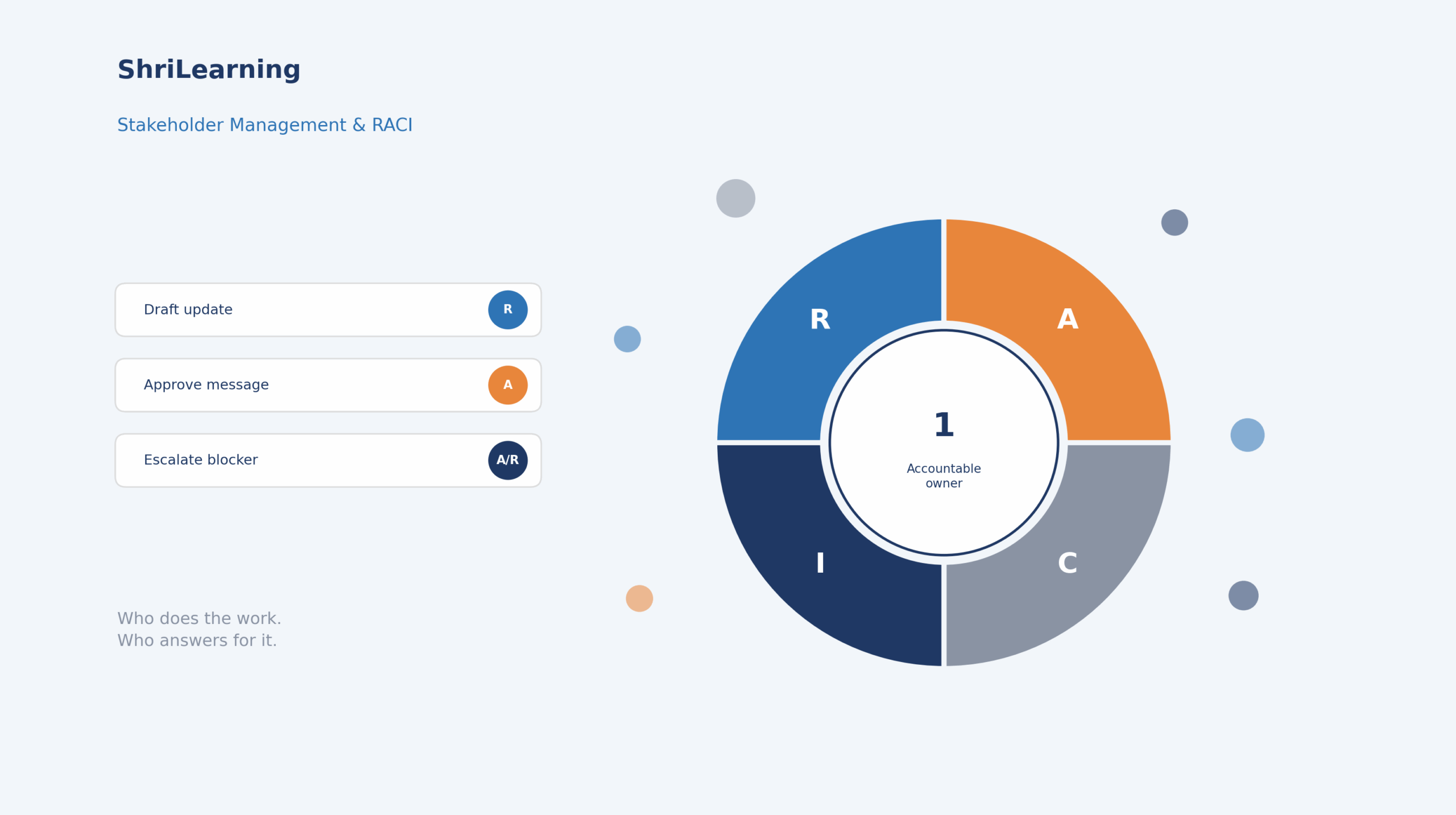
Stakeholder Management and RACI: The Complete PMP Guide (With a Worked Example)
saketpratapsinghdm2026-09-21T15:07:42+05:30September 21st, 2026|
How to Write a Problem Statement (With a PMP-Ready Template and Examples)
saketpratapsinghdm2026-09-21T14:42:27+05:30September 21st, 2026|

Earned Value Management: How to Actually Read CPI and SPI (Not Just Calculate Them)
saketpratapsinghdm2026-09-17T15:32:44+05:30September 17th, 2026|

Agile Practice Guide – Second Edition: What Changed, and What It Means for Your PMI-ACP Prep
saketpratapsinghdm2026-09-17T14:45:53+05:30September 17th, 2026|

Why the PMP People Domain Dropped to 33% (And How to Master It in 2026)
saketpratapsinghdm2026-08-27T21:18:31+05:30August 27th, 2026|