Why the PMP People Domain Dropped to 33% (And How to Master It in 2026)
Why the PMP People Domain Dropped to 33% (And How to Master It in 2026)
When the Project Management Institute (PMI) released the updated Examination Content Outline (ECO), one number immediately sparked confusion across the project management community: the People Domain weightage decreased from 42% to 33%.
For years, candidates preparing for the Project Management Professional (PMP)® exam were told that mastering the People domain was the single biggest key to passing, since it accounted for nearly half of the entire test.
Does this weight reduction mean PMI now values team leadership less? Not at all.
This update reflects a critical evolution in modern project delivery: leadership can no longer exist in an operational vacuum. Modern project managers must demonstrate emotional intelligence and team leadership within complex business, regulatory, and technical constraints.
This guide provides a comprehensive breakdown of why the People domain percentage shifted, the exact leadership competencies tested under the updated ECO, and how to adapt your situational logic to score Above Target.
1. The 2026 Domain Shift at a Glance
To understand the People domain in context, here is how PMI rebalanced the overall 180-question exam structure:
| PMP Exam Domain | Previous Weight | Updated Weight | Strategic Focus |
| People | 42% | 33% | Servant leadership, emotional intelligence, and team enablement |
| Process | 50% | 41% | Tailoring methodologies across Predictive, Agile, and Hybrid models |
| Business Environment | 8% | 26% | Strategic alignment, governance, compliance, and value delivery |
(For a macro-level breakdown of all three domains and PMBOK® Guide changes, read our full overview on The 2026 PMP Exam Changes Guide).
2. Why Did PMI Reduce the People Domain to 33%?
The drop to 33% is a recalibration of real-world role requirements, not a downgrade in the value of interpersonal skills.
PMI’s global Job Task Analysis (JTA) identified two core market realities:
- Interpersonal Decisions Are Now Interconnected: In previous exams, a conflict resolution question was often isolated: “Two team members disagree on an estimation technique; what should the PM do?” In today’s landscape, that same conflict involves offshore vendors, regulatory compliance deadlines, and third-party API dependencies.
- The Rise of Business-Driven Leadership: Project leaders are no longer judged solely on team harmony; they are accountable for delivering strategic business outcomes. As a result, PMI shifted a portion of question weighting into the PMP Business Environment Domain, testing leadership as an integrated component of business strategy.
3. Key Tasks & Enablers Tested in the People Domain
Even at 33%, the People domain accounts for roughly 60 out of the 180 questions on the exam.
To pass, you must demonstrate practical mastery across these core tasks:
- Manage Conflict: Identifying root causes early, facilitating constructive dialogue, and applying appropriate resolution techniques (Collaborate/Problem-Solve vs. Compromise).
- Lead and Empower Teams: Fostering psychological safety, supporting servant leadership, and aligning team autonomy with project objectives.
- Support Team Performance: Assessing competencies, identifying skill gaps, providing mentoring, and tracking velocity improvements.
- Navigate Hybrid and Virtual Collaboration: Setting clear ground rules, establishing asynchronous communication channels, and managing cross-cultural time zone dynamics.
- Engage Stakeholders Proactively: Moving beyond basic communication matrices to manage evolving expectations and secure ongoing executive alignment.
4. How People Scenarios Have Changed (With Sample Logic)
Legacy PMP questions frequently had obvious answers pointing toward open dialogue. The updated situational questions are far more nuanced.
Sample Scenario Breakdown:
Scenario: You are leading a hybrid software modernization project. A senior developer working remotely refuses to adopt the new automated code review guidelines established by the Agile team, claiming it slows down delivery. The project sponsor has flagged code compliance as a critical audit requirement.
What should the Project Manager do first?
- A) Issue a formal reprimand to the developer for violating team working agreements.
- B) Escalate the non-compliance directly to the project sponsor.
- C) Meet with the developer one-on-one to understand their operational concerns while explaining the mandatory compliance objectives.
- D) Allow the developer to bypass automated reviews temporarily to protect the sprint schedule.
The PMI Mindset Explanation:
-
Why Option C is Correct: A true servant leader never escalates immediately (eliminating B) or relies on punitive measures as a first step (eliminating A). Compromising compliance or quality to chase speed (eliminating D) violates core governance standards. Option C combines emotional intelligence with business context: hearing the team member out while reinforcing strategic compliance requirements.
5. Actionable 4-Step Strategy to Master the People Domain
To maximize your score on the 33% People section of the exam, focus your preparation on practical application:
[1. Master Servant Leadership Mindset]
                  │
                  ▼
[2. Learn Conflict Modes (Thomas-Kilmann)]
                  │
                  ▼
[3. Practice Hybrid Collaboration Scenarios]
                  │
                  ▼
[4. Validate with Updated Scenario Mocks]
- Adopt the Servant Leadership Mindset: In almost every scenario, the correct action prioritizes coaching, facilitating dialogue, removing impediments, and empowering the team over command-and-control directives.
- Differentiate Conflict Resolution Techniques: Understand exactly when to use Collaborating (Problem Solving), Compromising, Smoothing (Accommodating), Forcing (Directing), or Withdrawing (Avoiding).
- Bridge People with Delivery Frameworks: Understand how leadership shifts between predictive project phases and agile sprint ceremonies. Review our breakdown of The 5 Essential Scrum Events to see how servant leadership functions in daily stand-ups and retrospectives.
- Test Under Updated Exam Conditions: Avoid outdated question banks that isolate interpersonal skills. Practice with mock exams designed around integrated, cross-domain scenarios.
- Watch: How to Master PMP Situational Logic
Watch how to analyze complex situational questions and select the right response under pressure:
Upgrading Your Leadership Mindset
The reduction of the PMP People Domain weightage to 33% is not a signal to study leadership less—it is a signal to study leadership differently.
The days of passing the PMP by memorizing standalone conflict resolution definitions are over. Today’s exam demands that you view every team conflict, stakeholder dispute, and resource shortage through the lens of overarching business value and framework compliance. You must prove to PMI that you are not just a facilitator, but a highly strategic servant leader capable of navigating modern hybrid environments.
If you are using legacy study materials, you are likely over-preparing for outdated scenarios while leaving yourself vulnerable to the new integrated question format.
Ready to align your preparation with the latest 2026 standards?
Stop guessing what will be on the exam. Validate your situational logic with our Updated PMP Mock Simulators, or guarantee your readiness by joining the next cohort of our PMP Live Online Training Program.
FAQs
More for you
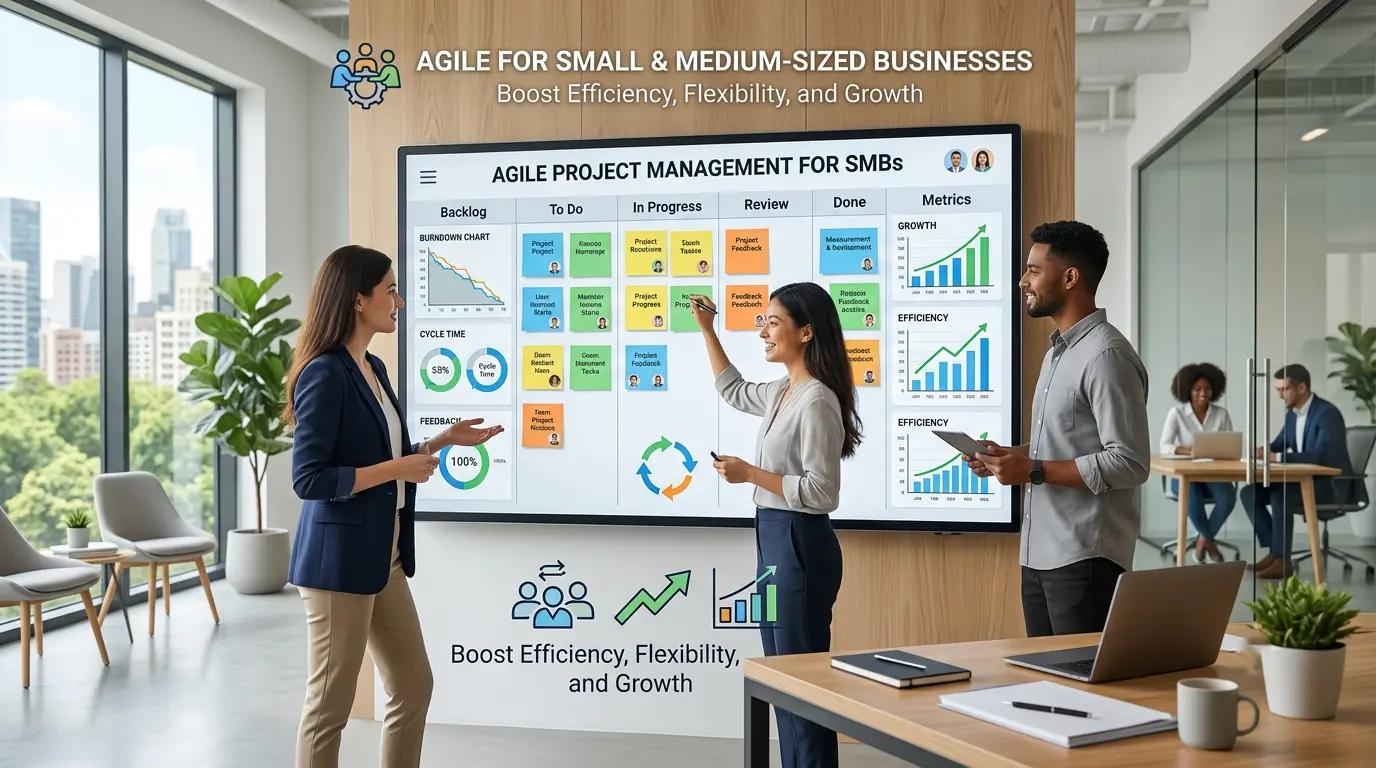
Benefits of Agile Project Management for Small and Medium-Sized Businesses
saketpratapsinghdm2026-09-28T10:12:30+05:30September 28th, 2026|

Work Breakdown Structure (WBS): The Complete PMP Guide, With a Worked Example
saketpratapsinghdm2026-09-21T16:48:15+05:30September 21st, 2026|
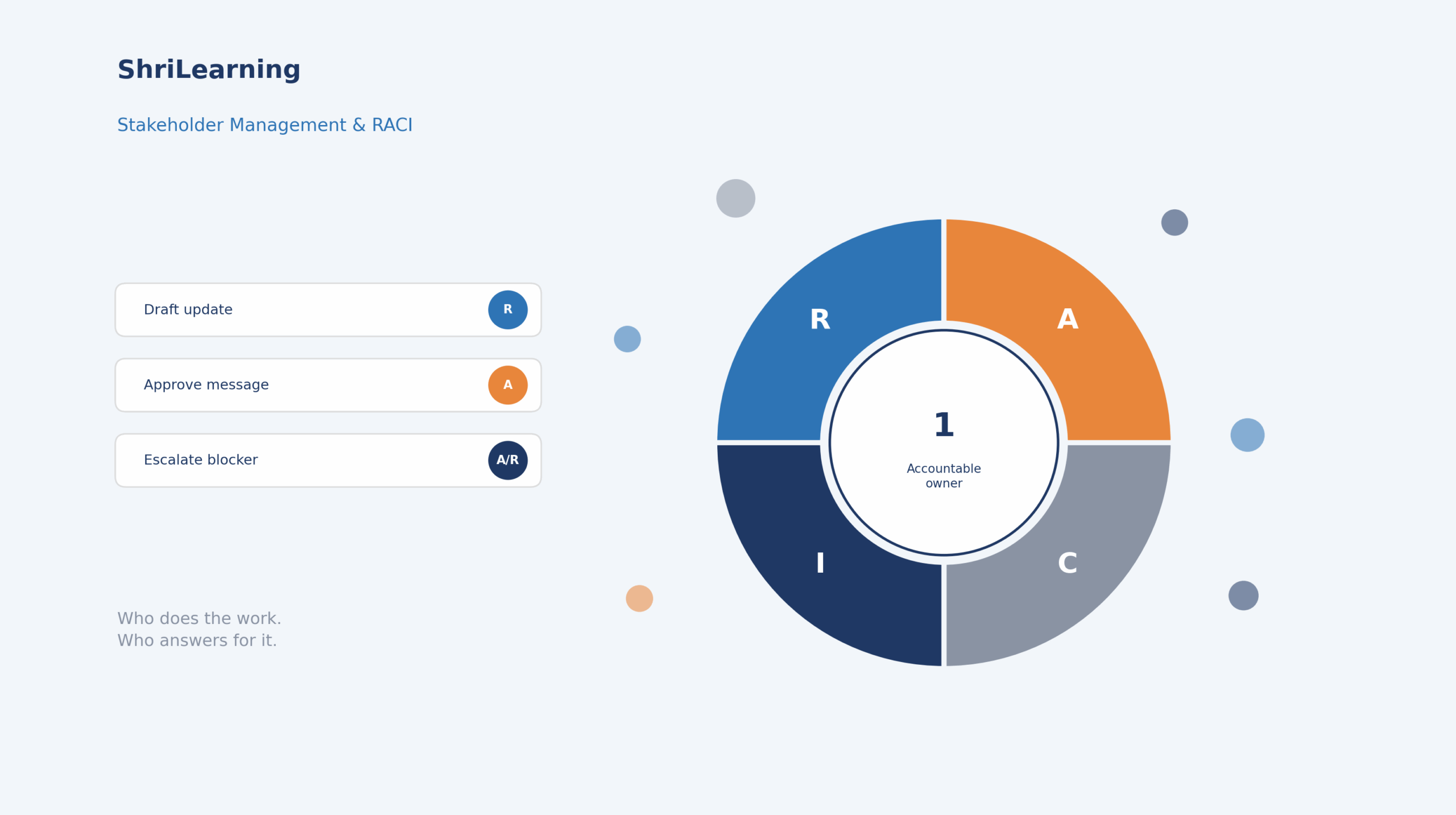
Stakeholder Management and RACI: The Complete PMP Guide (With a Worked Example)
saketpratapsinghdm2026-09-21T15:07:42+05:30September 21st, 2026|
How to Write a Problem Statement (With a PMP-Ready Template and Examples)
saketpratapsinghdm2026-09-21T14:42:27+05:30September 21st, 2026|

Earned Value Management: How to Actually Read CPI and SPI (Not Just Calculate Them)
saketpratapsinghdm2026-09-17T15:32:44+05:30September 17th, 2026|

Agile Practice Guide – Second Edition: What Changed, and What It Means for Your PMI-ACP Prep
saketpratapsinghdm2026-09-17T14:45:53+05:30September 17th, 2026|

Why the PMP People Domain Dropped to 33% (And How to Master It in 2026)
saketpratapsinghdm2026-08-27T21:18:31+05:30August 27th, 2026|

CSM Certification Guide India (2026): Cost, Eligibility, Salary & Exam Steps
saketpratapsinghdm2026-09-17T15:37:52+05:30August 21st, 2026|