How to Transition From Project Manager to PMO Leader
How to Transition From Project Manager to PMO Leader
How do you transition from project manager to PMO leader? To successfully shift from managing individual projects to leading a Project Management Office (PMO), you must pivot from tactical execution to strategic leadership. This transition requires mastering portfolio management, aligning resource allocation with organizational strategy, establishing standardized governance frameworks, and developing executive stakeholder management skills.
Moving from a project management position into a PMO leadership role is one of the most rewarding career transitions in corporate management. However, leading a PMO requires a distinct skill set compared to delivering individual project outcomes. According to the Project Management Institute (PMI), PMO leaders must move beyond tactical project timelines and focus on driving enterprise strategy across multiple portfolios. This guide outlines actionable steps to advance your project management career and successfully step into a PMO leadership role.
The Difference Between a Project Manager and a PMO Leader
Project managers ensure that specific deliverables are completed on time, within budget, and according to quality standards. They are tacticians who live in the trenches with their delivery teams.
A PMO leader, by contrast, operates at the executive level. The primary function of a PMO is to prioritize value delivery over process. PMO leaders decide which projects align with business goals, allocate shared resources, and standardize governance processes across the entire enterprise. They evaluate whether major corporate initiatives should be funded, expanded, or canceled based on overarching strategic alignment. In short, project managers focus on doing things right, while PMO leaders focus on doing the right things.

How to Become a PMO Leader in 4 Steps
Stepping into a leadership position requires intentional career mapping. Follow these four steps to position yourself for the PMO director seat.
1. Shift Your Focus to Portfolio Management
You can no longer just care about your own project. Start volunteering for cross-departmental initiatives. Request visibility into how the executive team selects and funds projects. Understanding how multiple projects compete for the same limited resources will give you the enterprise-level perspective necessary for PMO leadership.
2. Master Standardized Governance
A PMO leader designs the rules everyone else follows. You must become an expert in standardizing project-related governance processes. According to industry guides on becoming a PMO professional, you should lead initiatives to enhance project management practices and implement data-driven reporting tools.
3. Develop Executive Stakeholder Empathy
Project managers influence team members. PMO leaders influence C-suite executives. You must learn to translate complex project metrics into the language of business value. If an agile transformation is struggling, a PMO leader balances strategic vision with empathy to elevate organizational resilience, constantly communicating the return on investment to the board.
4. Upgrade Your Certifications
Your experience is critical, but formal credentials validate your ability to lead at scale. While the PMP certification is the gold standard for project execution, organizations heavily weigh specialized credentials when hiring PMO directors.
Common Mistakes to Avoid During the Transition
Many excellent project managers fail as PMO leaders because they cannot break old habits. Avoid these frequent pitfalls.
- Micromanaging project managers: A PMO leader must empower their project managers, not do the work for them. Hovering over task lists will quickly alienate your team.
- Prioritizing process over people: Implementing rigid templates without considering the company culture always fails. Culture eats strategy for breakfast.
- Ignoring change management: Establishing a PMO disrupts how an organization operates. Failing to manage the human resistance to change will kill your PMO before it even launches.
- Lacking financial acumen: If you cannot explain how your PMO saves the company money or generates revenue, executive sponsors will eventually cut your funding.

How PMO Leadership Features in the PMP Exam
If you are preparing for your Project Management Professional (PMP)® certification, understanding the role of the PMO is critical for scenario-based questions. The PMP exam tests your knowledge of how project managers interact with PMO structures, governance frameworks, and strategic resource allocation.
Under the Examination Content Outline (ECO), organizational governance and the Business Environment domain feature prominently. You will encounter scenario-based questions evaluating your understanding of supportive, controlling, and directive PMOs, as well as how project managers escalate enterprise-level conflicts to PMO leadership.
Key Terms Table
| Term | Definition |
| Project Management Office (PMO) | A management entity that standardizes project-related governance processes and facilitates resource sharing. |
| Portfolio Management | The centralized management of one or more portfolios to achieve strategic business objectives. |
| Governance Framework | A set of rules, policies, and procedures that dictate how projects are evaluated, approved, and executed. |
| Directive PMO | A PMO structure that takes full control of projects by directly managing them. |
Key Metrics to Measure PMO Success
To demonstrate tangible value to C-suite executives, a PMO leader must establish clear Performance Indicators (KPIs) and metrics:
- Strategic Alignment Rate: Percentage of active projects directly linked to organizational strategic goals.
- Portfolio ROI / Net Present Value (NPV): Financial return generated across all managed projects.
- Resource Utilization Efficiency: Optimization rate of shared team members across multiple project streams.
- On-Time / On-Budget Delivery Percentage: Proportion of projects completed within baseline timeframes and cost projections.
Related Reading on ShriLearning
Expand your knowledge of enterprise project management with these ShriLearning resources:
- What Is the Practical Value of the PMP Certification for Employers?
- Glossary or PMI Lexicon of Project Management Terms
- What Is a Project in Project Management: Life Cycle and More
- Artificial Intelligence in the Field of Project Management
If you are ready to master PMO interactions and pass the PMP exam on your first try, join Head Coach Shriram Kumar D in our upcoming weekend live batches (Sat-Sun, 6 to 10 PM IST), ShriLearning provides the mandatory 35 Contact Hours Certificate. You can take a free PMP mock at ShriLearning today to test your readiness.
Your first project is calling—will you answer? Join the ShriLearning Community Connect with fellow PMP aspirants and expert instructors. Crete your study plan for free from ShriLearning study-plan-generator.
FAQs
More for you
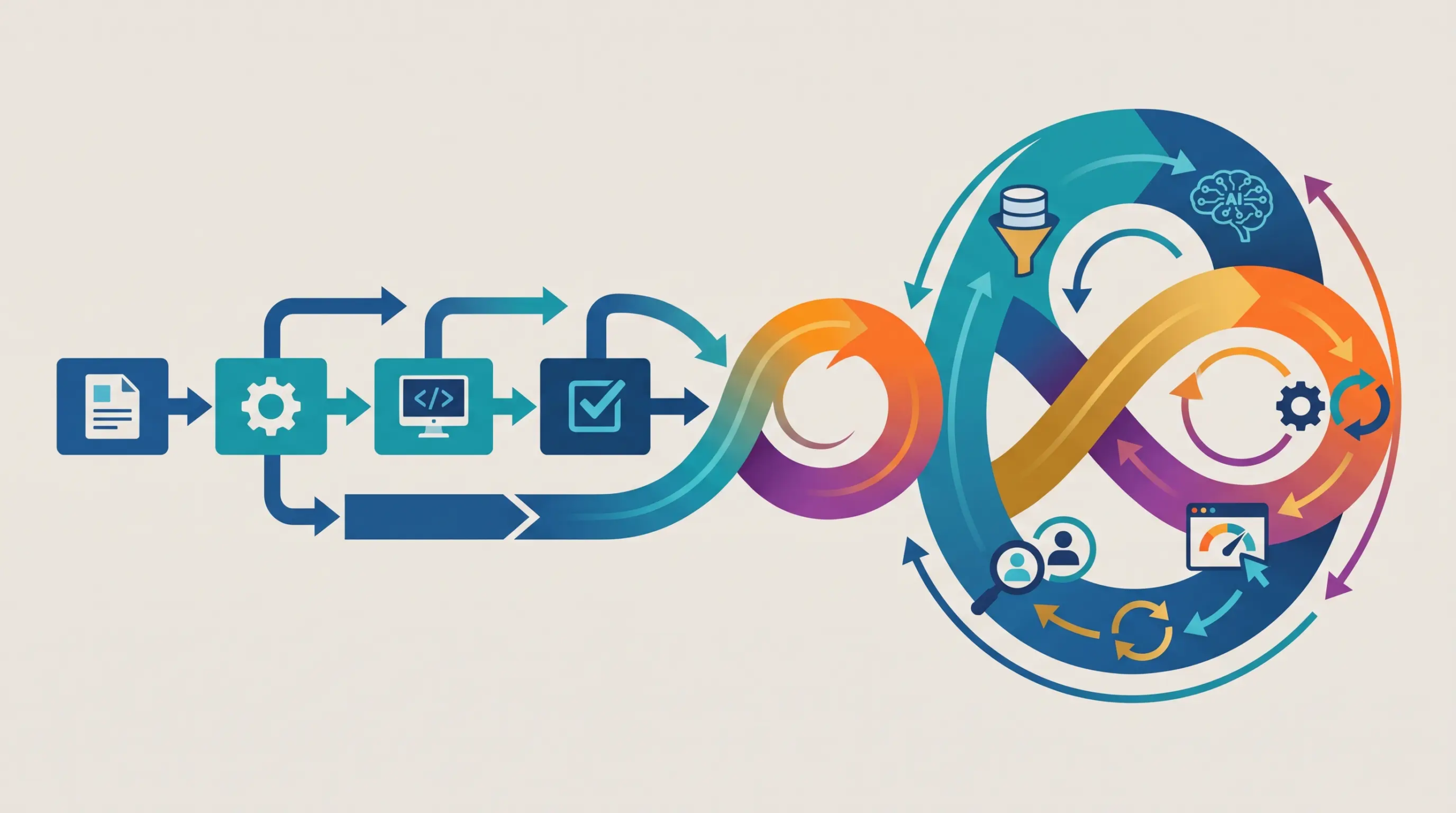

6 Phases to Run a Successful AI Project
saketpratapsinghdm2026-10-25T15:57:35+05:30October 25th, 2026|

How to Transition From Project Manager to PMO Leader
saketpratapsinghdm2026-10-25T14:09:58+05:30October 25th, 2026|

Sustainable AI Starts with Trustworthy AI: A 2026 Guide for Project Managers
saketpratapsinghdm2026-10-24T17:34:12+05:30October 24th, 2026|

Leading Teams Through Change: How Project Managers Can Drive Successful Transformation in 2026
saketpratapsinghdm2026-10-24T16:59:20+05:30October 24th, 2026|

How to Use AI in Project Management: 10 Practical Workflows
saketpratapsinghdm2026-10-24T15:55:17+05:30October 24th, 2026|
Benefits of Agile Project Management for Small and Medium-Sized Businesses
saketpratapsinghdm2026-09-28T10:12:30+05:30September 28th, 2026|

Work Breakdown Structure (WBS): The Complete PMP Guide, With a Worked Example
saketpratapsinghdm2026-09-21T16:48:15+05:30September 21st, 2026|
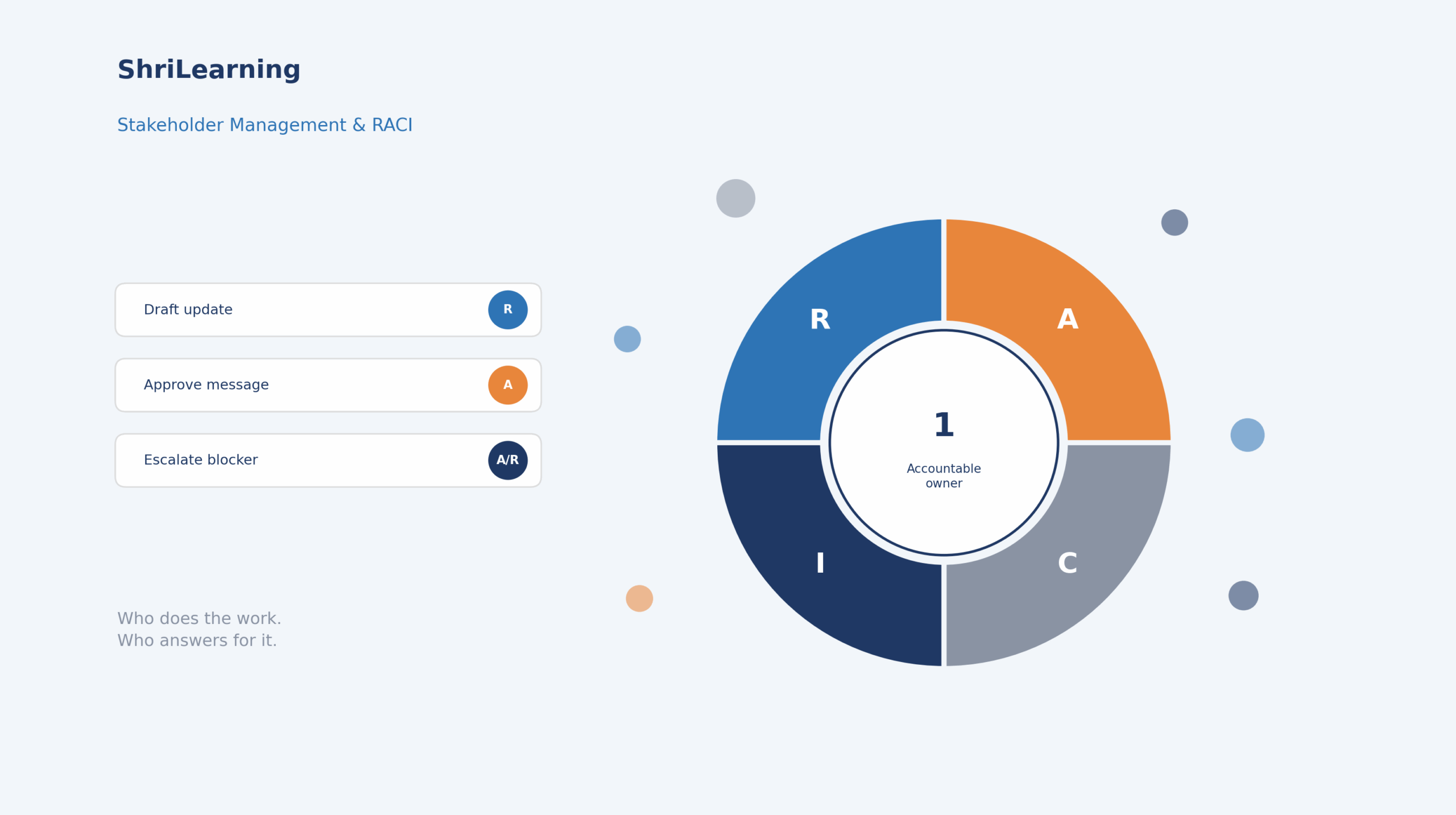
Stakeholder Management and RACI: The Complete PMP Guide (With a Worked Example)
saketpratapsinghdm2026-09-21T15:07:42+05:30September 21st, 2026|