What is the practical value of the PMP certification from the employer’s perspective?
What is the practical value of the PMP certification from the employer’s perspective?
There are several reasons why organizations choose to develop the PMP-certified workforce, although not every benefit may be relevant to every business. Let’s explore some of the most common advantages.
- Better Project Results. PMP®-certified project managers learn a wide range of methods to structure work and coordinate teams more efficiently. Their success in the certification exam confirms their practical knowledge of these techniques, as well as their ability to adapt them to meet the demands of different projects.
- Stronger Team Dynamics. The current PMP® examination places significant focus on the people aspect of project leadership. Indeed, the “People” domain accounts for 42% of the examination content. Although the PMP® certification does not directly measure EQ, it demonstrates that project managers understand how to motivate teams and strengthen overall team performance.
- Shared Terminology. Especially within medium and large companies, project managers need to communicate using a common language. The PMP® certification is recognized worldwide and introduces standardized terminology and concepts that are widely accepted throughout the project management profession, regardless of industry.
- Customer Attraction. For organizations delivering products or services to clients, PMP® certification is increasingly viewed as an added advantage. In certain situations, it is even mandatory to qualify for business opportunities. Having most or all project managers certified can help your organization stand out from competitors and may even justify higher pricing.
- Employee Retention. We have discussed the benefits of certification, but there are also drawbacks to not supporting employees in earning the PMP® credential. Many project managers aim to achieve PMP® certification or a similar qualification. Providing exam reimbursement along with preparation resources can improve hiring, retention, and employee engagement, while the absence of such support may place employers at a disadvantage.
- Greater Agility. The PMP® exam gives considerable importance to agile project management practices. Even if your organization primarily follows traditional methods, project managers who understand multiple project management approaches can help accelerate innovation and improve adaptability.
Are the PMP® project managers outperforming non-certified project managers?
Not always. It is important to understand that the PMP certification exam does not measure a professional’s previous project outcomes, nor does it evaluate personal strengths, capabilities, or weaknesses. Instead, the PMP® credential confirms the following three aspects:
- Experience. The professional has completed a minimum of three years of verified project management experience.
- Knowledge. The individual has successfully cleared a challenging examination covering a broad range of project management techniques, processes, tools, and principles. Additionally, they completed 35 hours of training in project management to become eligible for the exam.
- Ongoing Development. The professional has demonstrated a commitment to keeping their knowledge up to date by earning at least 60 professional development units (PDUs) every three years.
Is the PMP® certification better than the few other similar certifications, such as PRINCE2?
Not necessarily. However, the PMP® certification does offer certain advantages over similar credentials. Most importantly, it is the most widely recognized project management certification across the world. Because of its global acceptance, the PMP® certification also allows professionals to more easily pursue advanced or specialized certifications offered by PMI.
What if my current employee utilizes their new PMP® certification to seek a job somewhere?
Like any investment in employee development, there is always a possibility that team members may leave for better career opportunities. However, for many organizations, a greater concern is losing ground to competitors in attracting, retaining, and engaging skilled professionals—particularly those that provide certification reimbursement as an employee benefit. To reduce the financial impact if an employee leaves shortly after earning the certification, you may ask them to sign an agreement requiring repayment of training and exam expenses if they resign within one year of obtaining the credential. This approach helps protect your investment while continuing to support employee growth and professional development.
What is the effort level for my employee in order to obtain their PMP® certification?
To begin with, your employee must have a minimum of three years of experience in project management. They are not required to hold the official designation of a project manager; they must demonstrate that they were responsible for leading the project team and delivering the desired project outcomes.
They must also complete 35 hours of education in project management. Although this is not mandatory, obtaining the training through any of the PMI’s Authorized Training Partners will make the application review process quicker if the application is selected for an audit.
PMP® exam preparation courses are included in the required 35 training hours. Some companies prefer to arrange these courses privately for groups of employees. This approach not only simplifies exam preparation but also allows the instructor to customize examples and relate project management concepts to the organization’s industry.
Lastly, your employee should dedicate around 10–40 hours to exam preparation, in addition to attending a PMP® examination prep course. There is no doubt that the PMP® exam is challenging, making consistent study an essential part of successful preparation.
Is there an advantage to having my entire team become PMP® certified?
Yes. The faster your organization builds a strong group of PMP®-certified professionals, the sooner your teams can benefit from a shared understanding of project management tools, methods, and terminology, leading to improved project outcomes. Additionally, when several employees prepare for the certification exam together, your organization may qualify for discounted pricing on exam preparation courses, study materials, and test prep software.
Is a project manager who is PMP® certified qualified to lead or build our PMO?
A PMP® certification (or a comparable credential) is often considered a basic requirement for PMO development roles because it confirms both verified project management experience and professional knowledge. However, the certification alone does not fully qualify an individual or organization to design or lead a PMO. Additional factors that should be evaluated include:
– Years of practical experience
– Level of expertise (such as experience within a specific industry or project category)
– Variety of project management experience
– Experience managing complex projects
– Client references and testimonials, particularly from former direct reports (for individuals) or previous clients (for the company)
– Demonstrated achievements in improving performance, refining processes, and leading people
– Knowledge of multiple project management approaches (such as agile, traditional, and hybrid)
– The capability to think systematically while adapting to different project situations
How much does the PMP® exam cost?
The PMP® examination fee will be $425 for all PMI members, while non-members are required to pay $675. Besides the exam fee, candidates may also need to budget for PMP® study materials, an exam preparation course, and retake charges if they do not successfully pass the exam on their initial attempt.
Should we have to reimburse our employees if they obtain their PMP® certification?
At the very least, employers should consider covering the PMP® exam fee for their employees. If the certification provides measurable business benefits, such as improving your organization’s competitiveness when bidding for projects, it may also be worthwhile to pay for PMP® exam preparation materials and training courses. In addition, you may choose to provide employees with paid time off from work to attend these courses.
Are there different ways to motivate our employees to become PMP® certified?
Yes. One option is to make PMP® certification part of your performance expectations. If you adopt this approach, it is advisable to reimburse the examination fee and allow employees sufficient work time for studying or attending a preparation course. Organizations can also motivate employees by offering rewards, like a salary increase or a one-time bonus, after they earn the certification.
Is it required for my employee to get enrolled in a PMP® preparation course?
Although candidates can prepare for the PMP® exam through self-study, many find this method challenging and time-intensive. Employees often need to combine several learning resources to create an efficient study plan. A more effective approach is to enroll in a PMP® exam preparation course offered by any of the Authorized Training Partners of PMI. These providers deliver official exam preparation content supplied by PMI, often supported with additional learning materials, ensuring that candidates focus on the topics most relevant for passing the exam.
Keep building your project management skills — explore our other in-depth guides:
- 35 Hours of Project Management Training: The Complete PMP Eligibility Guide
- Project Procurement Contract Types: The Ultimate PMP Guide
- The Use of EAC (Estimate at Completion) in Project Tracking
- Best PMP Exam Simulator: The Complete Comparison Guide
Your first project is calling—will you answer? Join the ShriLearning Community Connect with fellow PMP aspirants and expert instructors. Crete your study plan for free from ShriLearning study-plan-generator.
FAQs
More for you

How to Use AI in Project Management: 10 Practical Workflows
saketpratapsinghdm2026-10-24T15:48:41+05:30October 24th, 2026|
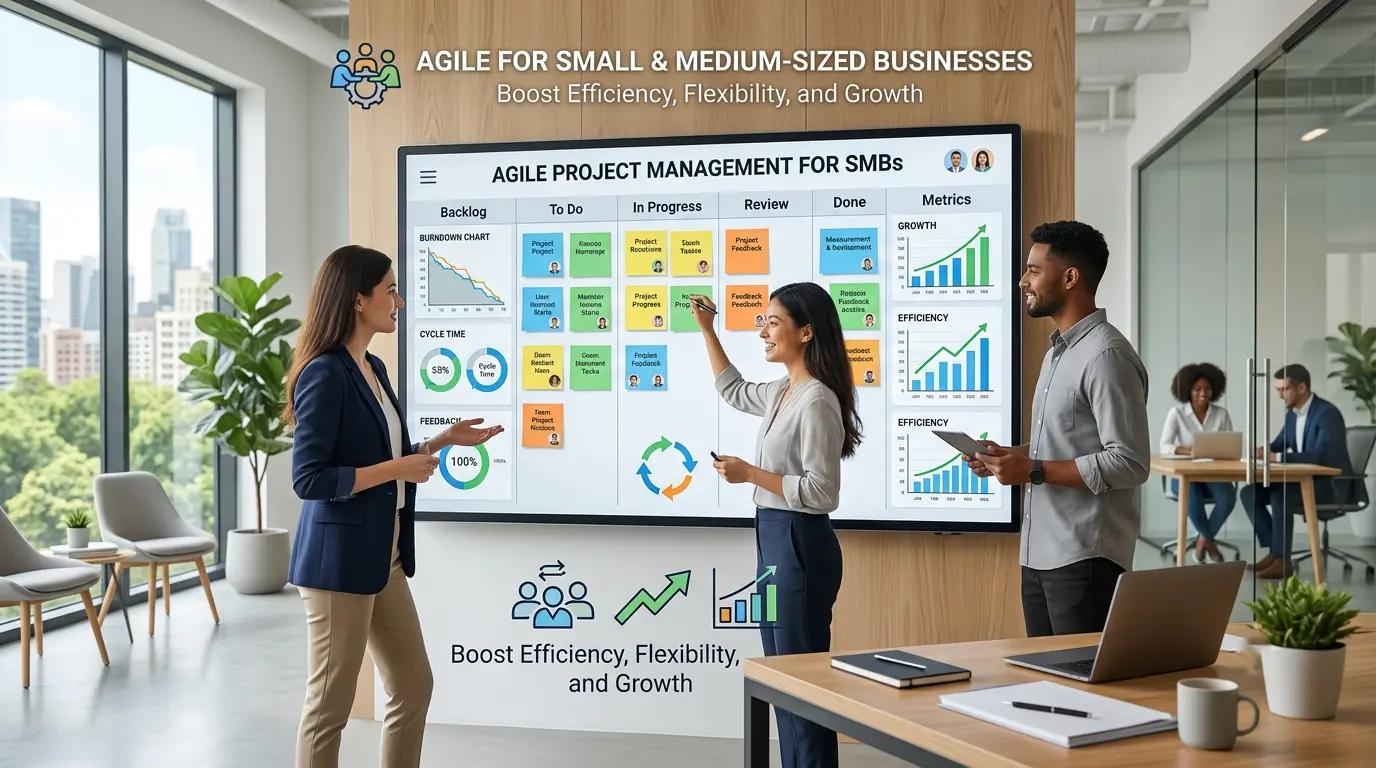
Benefits of Agile Project Management for Small and Medium-Sized Businesses
saketpratapsinghdm2026-09-28T10:12:30+05:30September 28th, 2026|

Work Breakdown Structure (WBS): The Complete PMP Guide, With a Worked Example
saketpratapsinghdm2026-09-21T16:48:15+05:30September 21st, 2026|
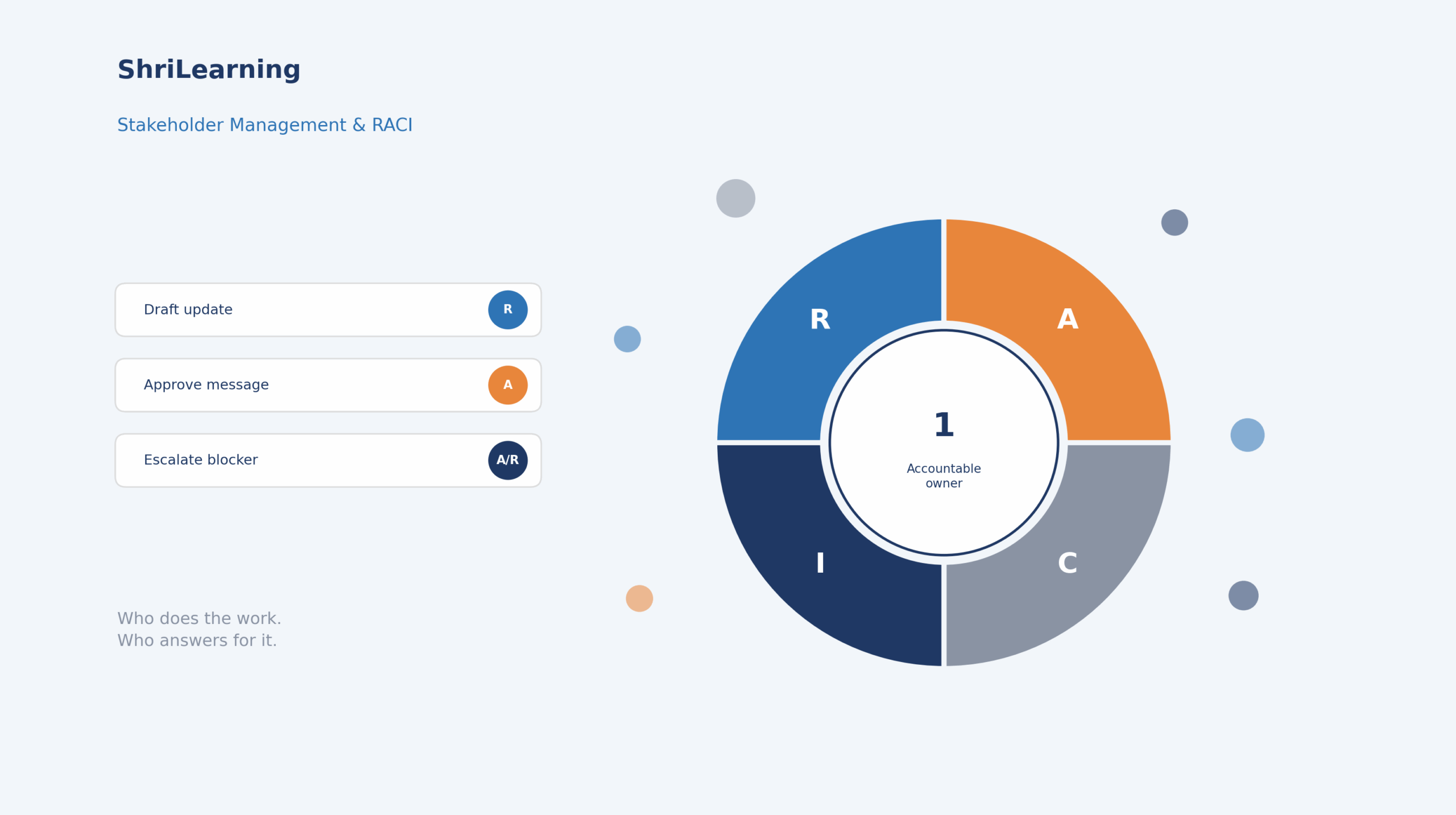
Stakeholder Management and RACI: The Complete PMP Guide (With a Worked Example)
saketpratapsinghdm2026-09-21T15:07:42+05:30September 21st, 2026|
How to Write a Problem Statement (With a PMP-Ready Template and Examples)
saketpratapsinghdm2026-09-21T14:42:27+05:30September 21st, 2026|

Earned Value Management: How to Actually Read CPI and SPI (Not Just Calculate Them)
saketpratapsinghdm2026-09-17T15:32:44+05:30September 17th, 2026|

Agile Practice Guide – Second Edition: What Changed, and What It Means for Your PMI-ACP Prep
saketpratapsinghdm2026-09-17T14:45:53+05:30September 17th, 2026|

Why the PMP People Domain Dropped to 33% (And How to Master It in 2026)
saketpratapsinghdm2026-08-27T21:18:31+05:30August 27th, 2026|