Six Jobs That You Can Get When You Are PMP Certified
Six Jobs That You Can Get When You Are PMP Certified
The PMP (Project Management Professional) certification has become the most popular certification in the field of project management. This certification will help you in understanding new career skills which can be added to your CV. If you have a keen interest in getting this certification, then it will be helpful to understand what types of employment you can obtain with it. Here, we talk about the jobs which you will be able to apply for when you are PMP certified and the ways to earn this credential.
What jobs will you get when you have a PMP certification?
Below are some jobs that you will be able to apply for when you have a PMP certification.
1. Project Coordinator
Primary duties: The role of the project coordinator is to support the project managers to monitor the performance of their team during a project. The project coordinators will work with the entire team to monitor project status and create schedules and often they use tracking tools such as spreadsheets. PMP certification will increase the possibility of you securing this job.
2. Project Portfolio Manager (PPM)
Primary duties: The role of PPM is to complete the planning, monitoring, and also reporting of the project. A Project Portfolio Manager will receive instructions from executives on specific projects and then merge them into one single solution. Normally they give you the task of running the governance system of the organization to give direction on the issues that require executive oversight.
3. Project Director
Primary duties: The role of the Project Director is to supervise all the projects in an organization. These professionals will be aware of current and upcoming projects and record the completed projects. Project Directors develop the strategies needed to run various projects and direct the progress to completion. Getting a PMP certification will prepare them to handle multiple projects.
4. Product Owner
Primary duties: The role of the Product Owner is to manage the backlog of the product by making it simpler for the development team so that they can complete the project at a given time. The Product Owner creates the objective for the end product and continually influences the development toward attaining those objectives. If the client wants to speak with the product development team or to understand anything about their project, then the Product Owner facilitates the communication or meeting.
5. Project Manager Consultant
Primary duties: The role of the Project Manager Consultant will be to help organizations manage their projects. Project Manager Consultant work with many other professionals who utilize their expertise in guiding different factors of Project Management, like marketing, scheduling, and budgeting. If a project has various project managers, then a PMP manager will lead and direct the rest in moving forward with the project. With the PMP certification, you will be able to play the role of a consultant for a company or work independently by offering help to companies that require support with project management.
6. Engineering Project Manager
Primary duties: The role of the Engineering Project Manager is to solve real-life issues by designing solutions. They cooperate with other experts on a typical day to deliver right on time. The project Manager is the one expert whom they collaborate with. Engineering Project Managers want Project Managers to help them with various tasks like guiding the product development from beginning to end and then making sure that the product meets the client’s specifications. Engineering Project Managers do it by constantly updating the clients and obtaining feedback from them.
Ways to get the PMP Certification
Below are the key steps you need to follow to get the PMP certification:
1. Satisfy the eligibility criteria
It is necessary to be sure that you are qualified to take up the examination before you register for the PMP exam. Find the time and become familiar with the prerequisites which you should meet to begin the registration process. You have to meet the conditions which are in one of the below two categories to take up this test.
The first category needs:
- A degree of four-years
- Thirty-five hours of required education in the project management
- The project management leadership of 4,500 hours
The second category needs:
- A high school diploma, an associate degree, or any coequal
- Thirty-five hours of required education in the project management
- The project management leadership of 7,500 hours
2. Detail your education and project management experience
Another vital step to obtaining your PMP certification is documenting your education and work experience before taking up the exam. It is important to construct a complete write-up of your education, work history, and other corresponding information. With the help of this, it will become easier for you to create an application that boosts your chances of getting qualified to take up the exam. In your application, include your education, areas of experience, and your contact details.
3. Complete your application
Be attentive toward your start date as you will get only 90 days to finalize and present your application from the date you start. Save your progress every time while updating your application. Try your best in completing it early. It can help assure that you have time that is enough to assess your application by making any necessary modifications.
4. Wait for approval
After you click on the submit button, you need to wait for clearance from PMI (Project Management Institute). The organization usually takes around 5 working days for reviewing and providing feedback. If you have missed anything or want further clarification, then they might contact you again before they share the final decision. For instance, if any one of the professional references has been unreachable, they might provide you the chance to give another person’s contact details.
5. Schedule your exam
Once you receive the approval, you will be able to pay the application fee for the exam and schedule it. Schedule your exam prior so that you will have enough time for preparing. In case you don’t clear the exam on the first attempt, you will have two more attempts to earn this certification. You can enhance your performance in the exam by researching its content and studying for it. To know more about PMP you can visit ShriLearning Blog page.
Keep advancing in your PMP journey — explore our other in-depth guides
- Agile vs Waterfall: Which Methodology is Right for Your Project?
- The 5 Scrum Events Explained: Purpose, Attendees, and Effective Execution
- Why PMP Aspirants Fail? – And How to Avoid Them
- Confused Between Agile, Hybrid, and Predictive? Here’s a Clear Comparison
- Why You Should Track Your Errors — and How to Do It Right
Your first project is calling—will you answer? Join the ShriLearning Community Connect with fellow PMP aspirants and expert instructors. Crete your study plan for free from ShriLearning study-plan-generator.
More for you
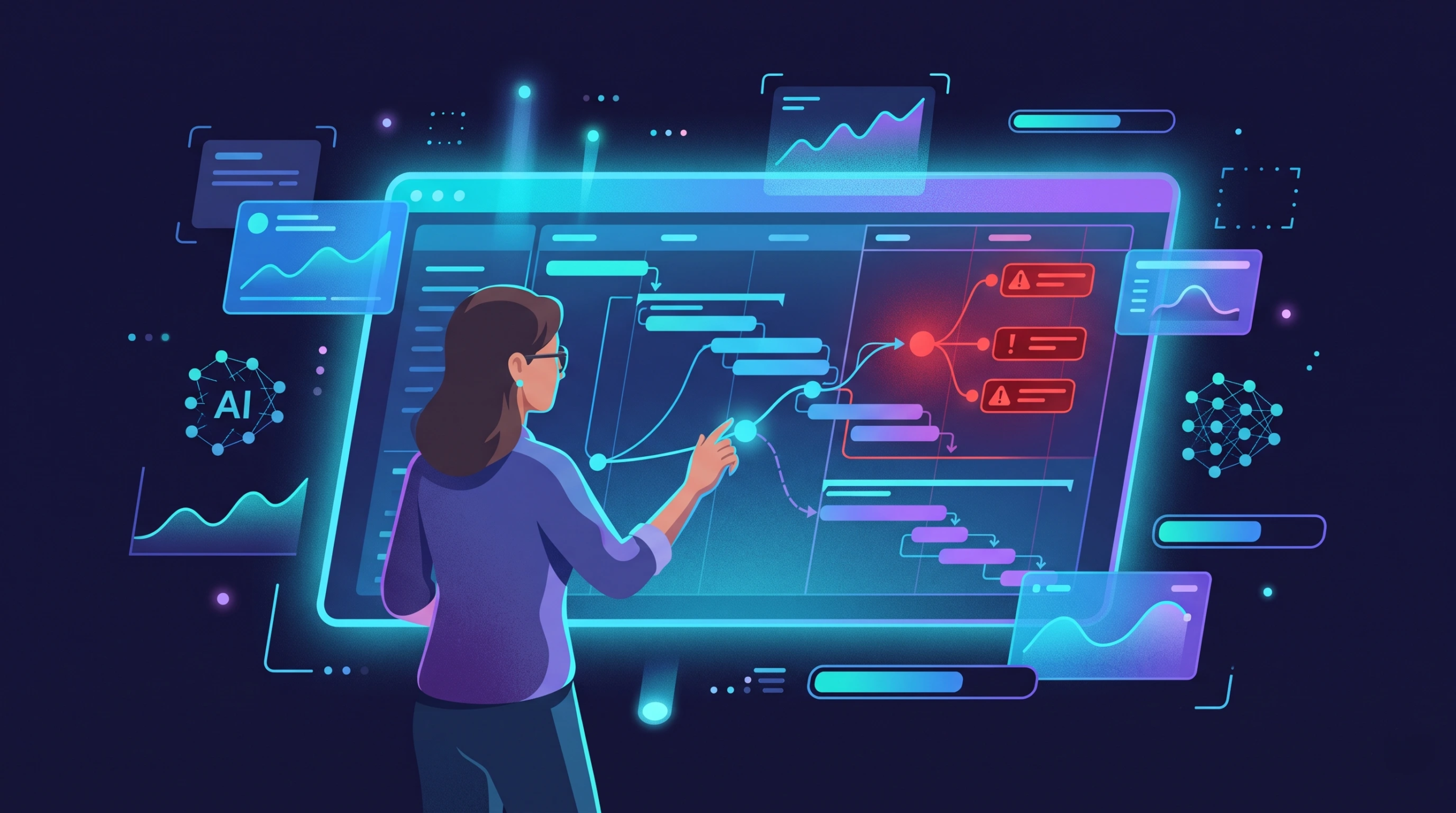
How to Use AI in Project Management: 10 Practical Workflows
saketpratapsinghdm2026-10-24T15:48:41+05:30October 24th, 2026|
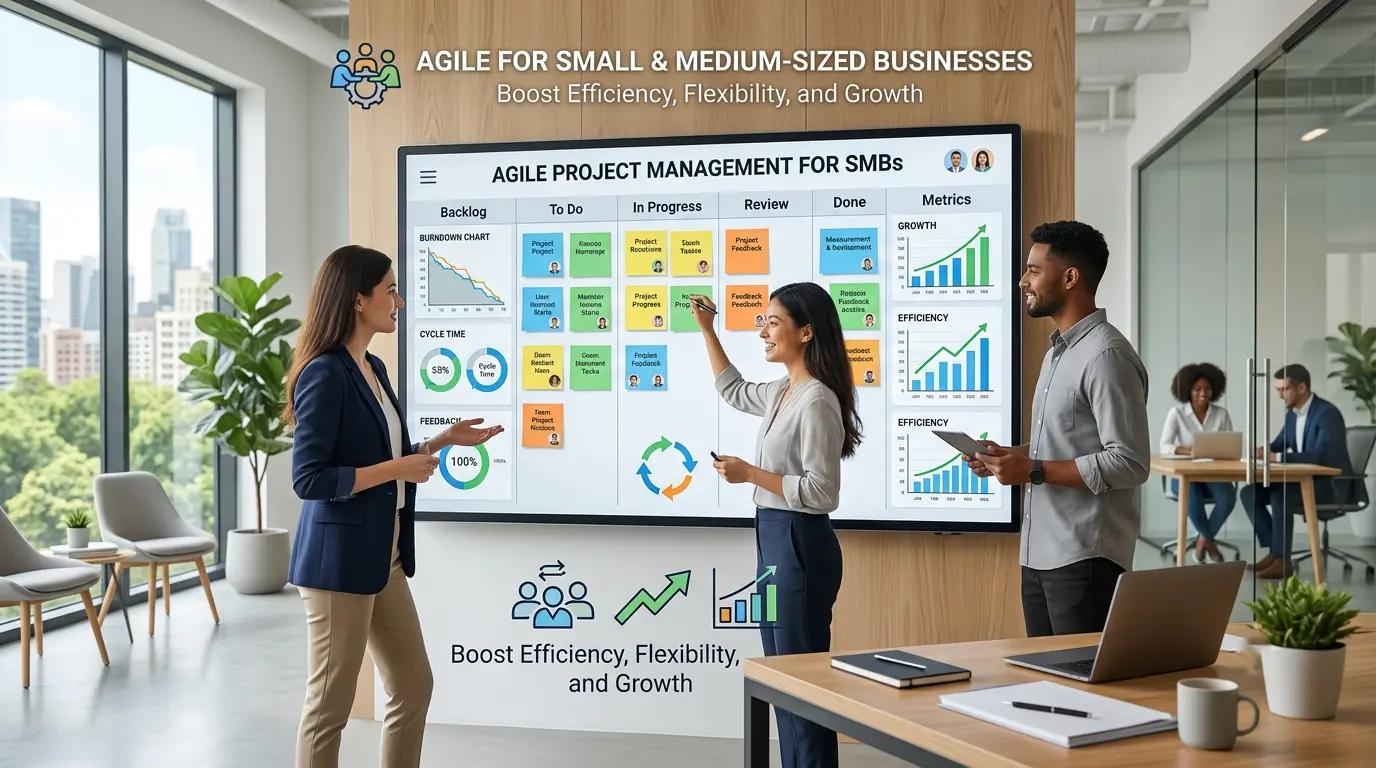
Benefits of Agile Project Management for Small and Medium-Sized Businesses
saketpratapsinghdm2026-09-28T10:12:30+05:30September 28th, 2026|

Work Breakdown Structure (WBS): The Complete PMP Guide, With a Worked Example
saketpratapsinghdm2026-09-21T16:48:15+05:30September 21st, 2026|
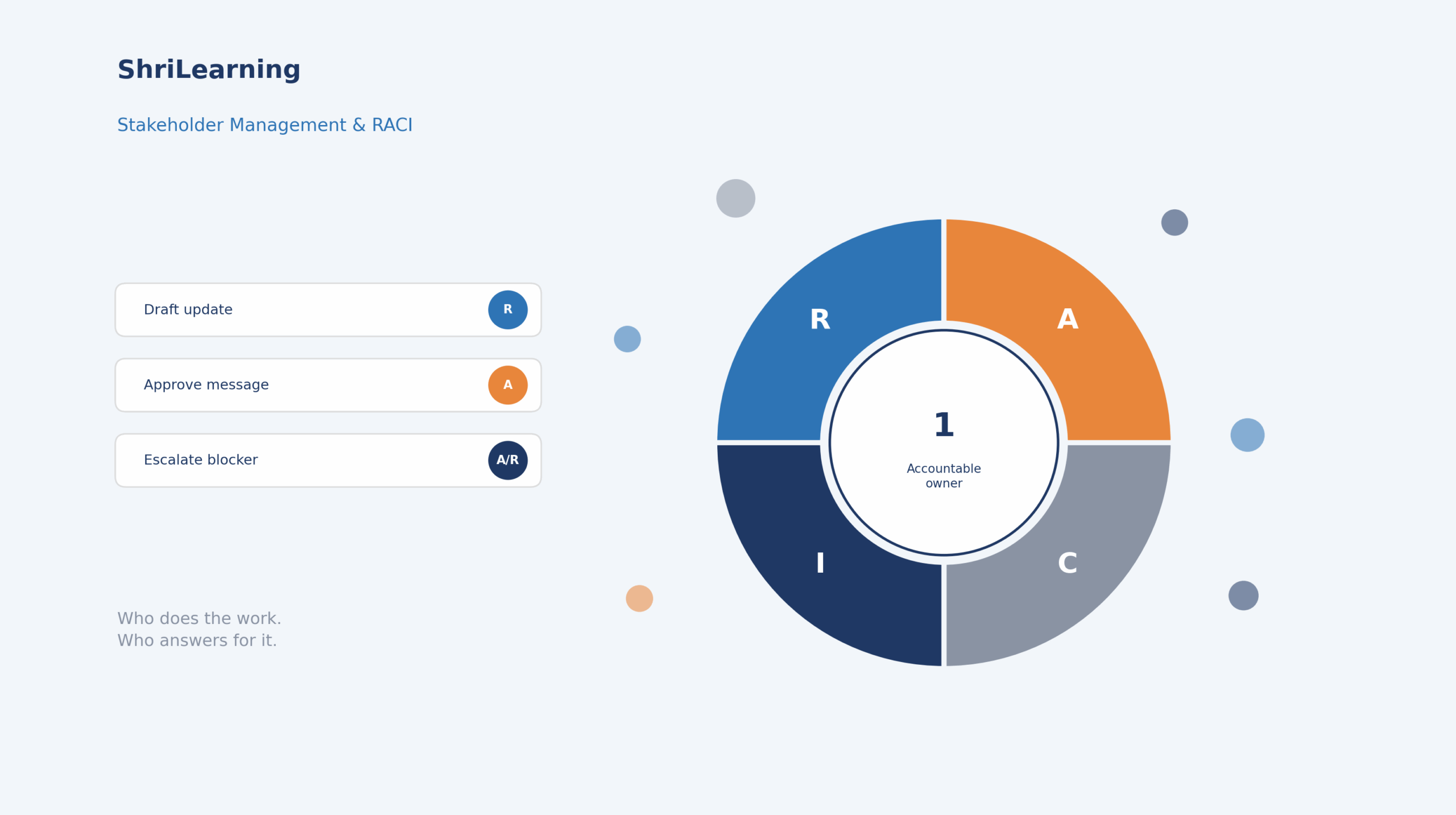
Stakeholder Management and RACI: The Complete PMP Guide (With a Worked Example)
saketpratapsinghdm2026-09-21T15:07:42+05:30September 21st, 2026|
How to Write a Problem Statement (With a PMP-Ready Template and Examples)
saketpratapsinghdm2026-09-21T14:42:27+05:30September 21st, 2026|

Earned Value Management: How to Actually Read CPI and SPI (Not Just Calculate Them)
saketpratapsinghdm2026-09-17T15:32:44+05:30September 17th, 2026|

Agile Practice Guide – Second Edition: What Changed, and What It Means for Your PMI-ACP Prep
saketpratapsinghdm2026-09-17T14:45:53+05:30September 17th, 2026|

Why the PMP People Domain Dropped to 33% (And How to Master It in 2026)
saketpratapsinghdm2026-08-27T21:18:31+05:30August 27th, 2026|