PMP Salary Report 2026: Why India Beats the Global Average (33% vs 17%)
PMP Salary Report 2026: Why India Beats the Global Average (33% vs 17%)
If you check the official PMI Earning Power: Project Management Salary Survey, you will see a global statistic that looks good, but not great: “PMP holders earn 17% more than their non-certified peers.”
For a professional in the US or Europe, that is a solid number. But if you are a Project Manager in India, that number is misleading.
The reality for Indian professionals is much better.
Detailed data from the latest salary reports reveals that the “PMP Gap” in India is nearly double the global average. While the world sees a 17% bump, Indian PMPs are seeing a median salary increase of 33% to 35%.
Here is why the PMP is twice as valuable in India and the new salary benchmarks you should be targeting in 2026.
The Data: Global vs. India
Why the massive difference?
- Global (17%): In mature markets like the US and UK, project management is an established discipline. Many non-certified managers still have formal training, narrowing the gap.
- India (33%+): In India’s hyper-growth tech and infrastructure sectors, there is a shortage of structured leadership. Employers pay a massive premium for the “Gold Standard” of PMP because it guarantees a baseline of quality that is harder to find.
The Numbers (Median Annual Salaries):
- Non-Certified PM (India): ₹12,00,000 – ₹15,00,000
- PMP Certified PM (India): ₹18,00,000 – ₹24,00,000
Source: Trends derived from PMI Earning Power Salary Survey (13th/14th Editions).
The “AI Premium” in 2026
The 2026 market introduces a new variable: AI Fluency.
As we discussed in our guide on AI in Project Management, Indian IT service giants (TCS, Infosys, Wipro) are aggressively bidding for AI-automation projects. They need PMs who understand this tech.
- Standard PMP: ~₹20 LPA
- PMP + AI/Data Skills: ~₹28 LPA+
The PMP exam’s new focus on Hybrid Methodologies positions you perfectly to capture this premium.
Is the Investment Worth It? (The Indian Context)
Let’s look at the ROI specifically for an Indian professional:
- Cost: ₹55,000 (Training + Exam Fee)
- Average Salary Hike: ₹4,00,000 to ₹6,00,000 (Year 1)
Most Indian PMP aspirants recover their entire investment in their first month of a new job. That is an ROI that no mutual fund or stock market can beat.
Final Thoughts
Don’t let the “17% global average” discourage you. That is the average of 21 countries. In India, the PMP is not just a certification; it is a career accelerator that offers double the global return.
Are you targeting a specific salary bracket for your next role? Share your goals in the comments!
Keep advancing in your PMP journey — explore our other in-depth guides
- 2026 PMP Exam Changes: The “Practicum” Revolution & Why 4 Hours Changes Everything
- The 2026 PMP Exam Shift: How to Master the “Business Environment” Surge (8% to 26%)
- The 5 Scrum Events Explained: Purpose, Attendees, and Effective Execution
- Why PMP Aspirants Fail? – And How to Avoid Them
- Why You Should Track Your Errors — and How to Do It Right
Your first project is calling—will you answer? Join the ShriLearning Community Connect with fellow PMP aspirants and expert instructors. Crete your study plan for free from ShriLearning study-plan-generator.
FAQs
More for you

How to Use AI in Project Management: 10 Practical Workflows
saketpratapsinghdm2026-10-24T15:48:41+05:30October 24th, 2026|
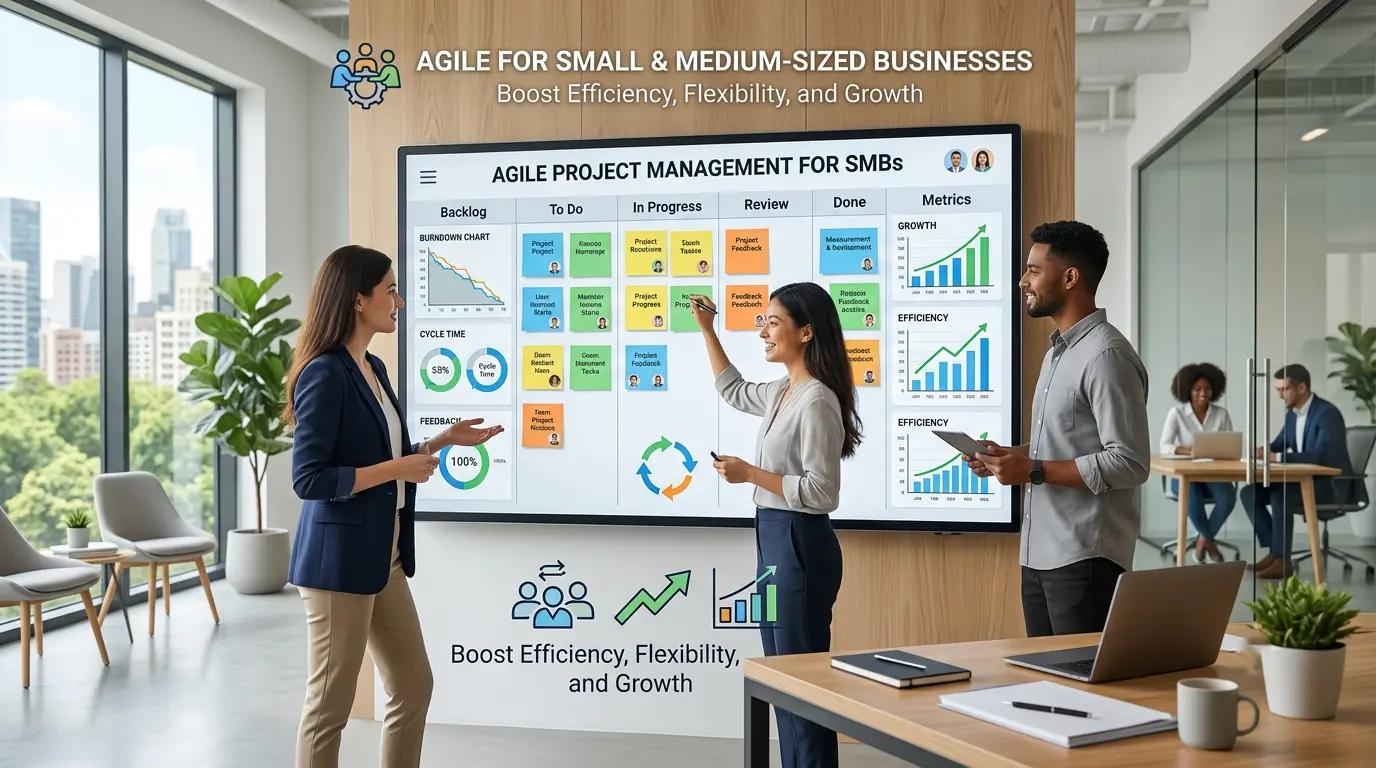
Benefits of Agile Project Management for Small and Medium-Sized Businesses
saketpratapsinghdm2026-09-28T10:12:30+05:30September 28th, 2026|

Work Breakdown Structure (WBS): The Complete PMP Guide, With a Worked Example
saketpratapsinghdm2026-09-21T16:48:15+05:30September 21st, 2026|
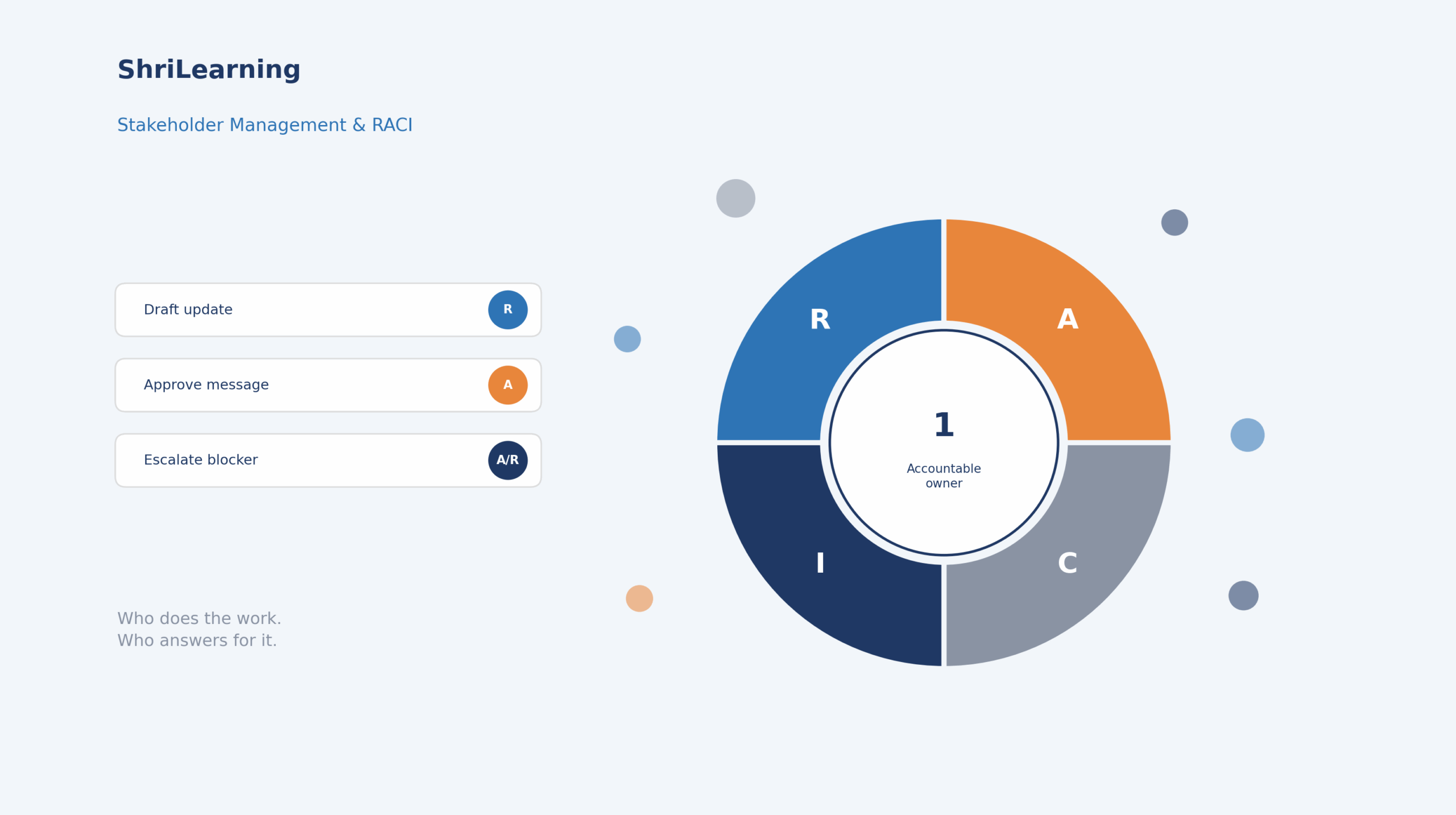
Stakeholder Management and RACI: The Complete PMP Guide (With a Worked Example)
saketpratapsinghdm2026-09-21T15:07:42+05:30September 21st, 2026|
How to Write a Problem Statement (With a PMP-Ready Template and Examples)
saketpratapsinghdm2026-09-21T14:42:27+05:30September 21st, 2026|

Earned Value Management: How to Actually Read CPI and SPI (Not Just Calculate Them)
saketpratapsinghdm2026-09-17T15:32:44+05:30September 17th, 2026|

Agile Practice Guide – Second Edition: What Changed, and What It Means for Your PMI-ACP Prep
saketpratapsinghdm2026-09-17T14:45:53+05:30September 17th, 2026|

Why the PMP People Domain Dropped to 33% (And How to Master It in 2026)
saketpratapsinghdm2026-08-27T21:18:31+05:30August 27th, 2026|