The Ultimate 2026 PMP Study Roadmap: An 8-Week Plan to Crush the New Format
The Ultimate 2026 PMP Study Roadmap: An 8-Week Plan to Crush the New Format
You have read the scary news. You know the 2026 Exam Format includes a 4-hour marathon and complex Practicum questions. You know the Business Environment Domain has surged to 26%.
The natural reaction is panic. Most candidates react by buying three different textbooks and trying to memorize everything.
This is the wrong strategy.
The 2026 PMP exam is not a test of memory; it is a test of application. You cannot “cram” for a Practicum question. You have to train for it, like an athlete trains for a sport.
The Strategy: The “Layered” Approach
Traditional study plans go chapter by chapter through the PMBOK. That is obsolete. Our 2026 roadmap uses a “Layered” approach, where we build competencies that reinforce each other.
- Weeks 1-2: The Mindset (Principles & Value)
- Weeks 3-5: The Mechanics (Hybrid & Process)
- Weeks 6-7: The Strategy (Business Env & Compliance)
- Week 8: The Simulation (Endurance Training)
Phase 1: The Mindset (Weeks 1-2)
Goal: Stop thinking like a “Worker” and start thinking like a “PMI Project Manager.”
Before you memorize a single process, you must master the underlying principles. If you skip this, you will struggle with every scenario question.
- Focus Area: PMBOK 7th Edition Principles & PMBOK 8th Edition Value Delivery.
- Key Activity: Read the Agile Practice Guide (Chapters 1-3).
- The “Aha!” Moment: You need to realize that “Value” is more important than “Deliverables.”
- Checkpoint: Can you explain the difference between “Output” and “Outcome” to a 10-year-old? If not, review the PMBOK 8th Edition updates.
Phase 2: The Mechanics (Weeks 3-5)
Goal: Master the Hybrid Methodology (60% of the exam).
This is the heaviest phase. You are moving away from pure theory into the messy reality of managing projects.
- Week 3: Agile & Scrum Deep Dive.
- Don’t just memorize ceremonies. Understand why we do a Retrospective. (Hint: It’s about process improvement, not just complaining).
- Study: Servant Leadership, Backlog Refinement, and Burndown Charts.
- Week 4: The Predictive Backbone.
- Agile is great, but you still need a schedule.
- Study: Critical Path Method (CPM), Schedule Variance (SV), and Cost Performance Index (CPI).
- Warning: Expect to use these in the new Practicum Questions. You might have to interpret a broken graph.
- Week 5: The Hybrid Merge.
- This is where 50% of students fail.
- Study: How to run a Waterfall project with an Agile software stream. How to handle a Change Request in a Hybrid environment.
- Resource: Review our guide on the Hybrid Trap to avoid common mistakes.
Phase 3: The Strategy (Weeks 6-7)
Goal: Conquer the 26% Business Environment Surge.
Now that you know how to manage a project, you need to learn how to manage the business.
-
Week 6: Organizational Enablers.
- Study: Compliance, Governance frameworks, and Regulatory impacts.
- Key Concept: If a project violates a new law (like GDPR), the correct answer is usually to “Pause and Assess,” not “Crash the Schedule.”
-
Week 7: AI & Strategic Alignment.
- This is the new 2026 frontier.
- Study: The role of the PMO, Benefits Realization, and AI tools in Project Management.
- Task: Practice answering questions where the “correct” PMBOK process conflicts with “Business Value.” (Always choose Value).
Phase 4: The Simulation (Week 8)
Goal: Build Endurance for the 4-Hour Marathon.
You have the knowledge. Now you need the stamina.
- Activity: Take two full-length mock exams (180+ questions).
-
The Rules:
- Sit in a quiet room.
- No phone.
- Only take the strict 5-minute breaks allowed in the 2026 format.
- Analysis: Don’t just check your score. Analyze why you got questions wrong. Did you misread the Practicum chart? Did you get tired at hour 3?
The “Golden Rules” for 2026 Success
- Don’t Memorize ITTOs: In 2026, PMI rarely asks “What is the input to the Develop Project Charter process?” They ask, “The Charter is approved, but the stakeholder is unhappy. What do you do?” Focus on the flow, not the list.
- Love the “Gray” Areas: In Hybrid questions, the answer is rarely Black or White. It’s usually “It Depends.” Get comfortable with ambiguity.
- Invest in Your Salary: Remember, this 8-week grind leads to a 33% Salary Hike. Keep that number in mind when you are tired of studying at 11 PM.
Final Thoughts
Passing the PMP in 2026 isn’t about being a genius. It’s about being disciplined.
This 8-week roadmap is your GPS. It tells you exactly where to go. All you have to do is drive.
Keep advancing in your PMP journey — explore our other in-depth guides
- 2026 PMP Exam Changes: The “Practicum” Revolution & Why 4 Hours Changes Everything
- The 2026 PMP Exam Shift: How to Master the “Business Environment” Surge (8% to 26%)
- The 5 Scrum Events Explained: Purpose, Attendees, and Effective Execution
- Why PMP Aspirants Fail? – And How to Avoid Them
- Why You Should Track Your Errors — and How to Do It Right
Your first project is calling—will you answer? Join the ShriLearning Community Connect with fellow PMP aspirants and expert instructors. Crete your study plan for free from ShriLearning study-plan-generator.
FAQs
More for you
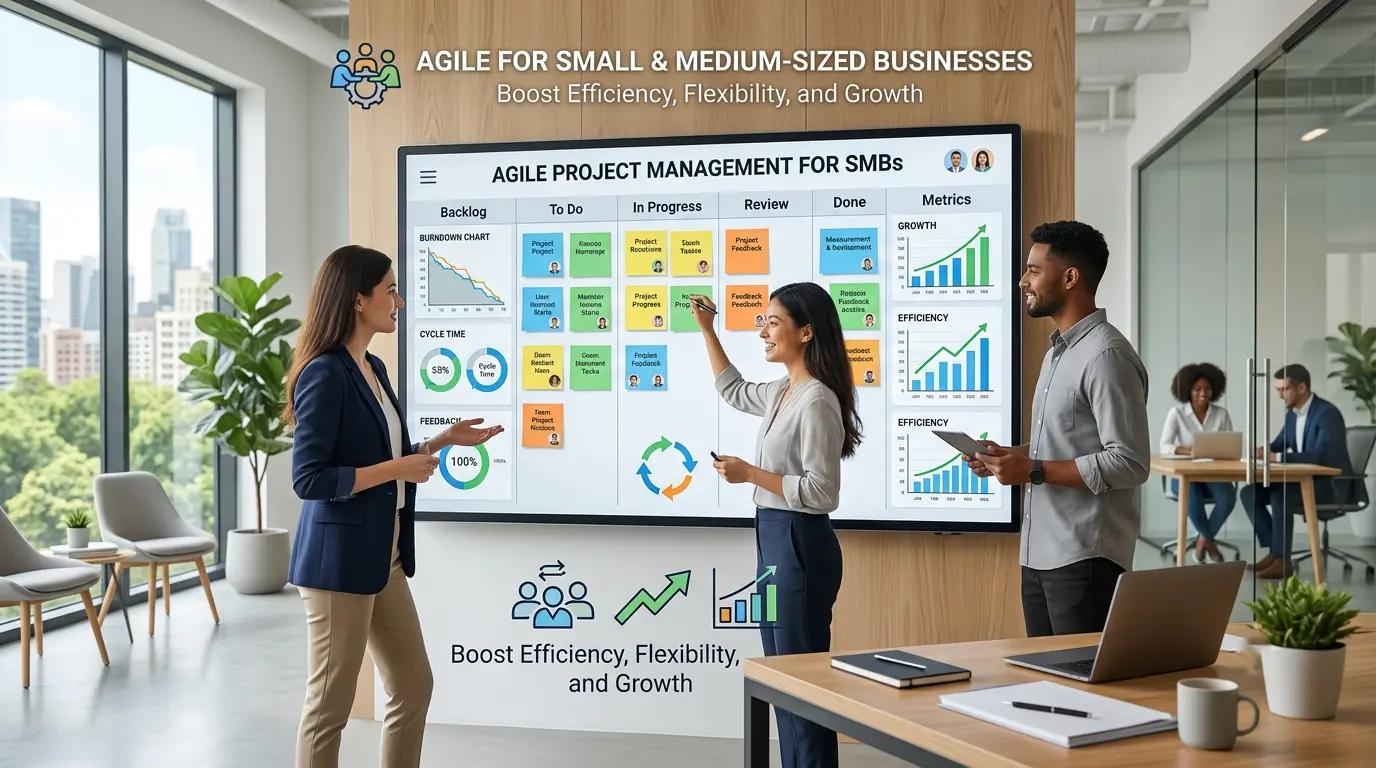
Benefits of Agile Project Management for Small and Medium-Sized Businesses
saketpratapsinghdm2026-09-28T10:12:30+05:30September 28th, 2026|

Work Breakdown Structure (WBS): The Complete PMP Guide, With a Worked Example
saketpratapsinghdm2026-09-21T16:48:15+05:30September 21st, 2026|
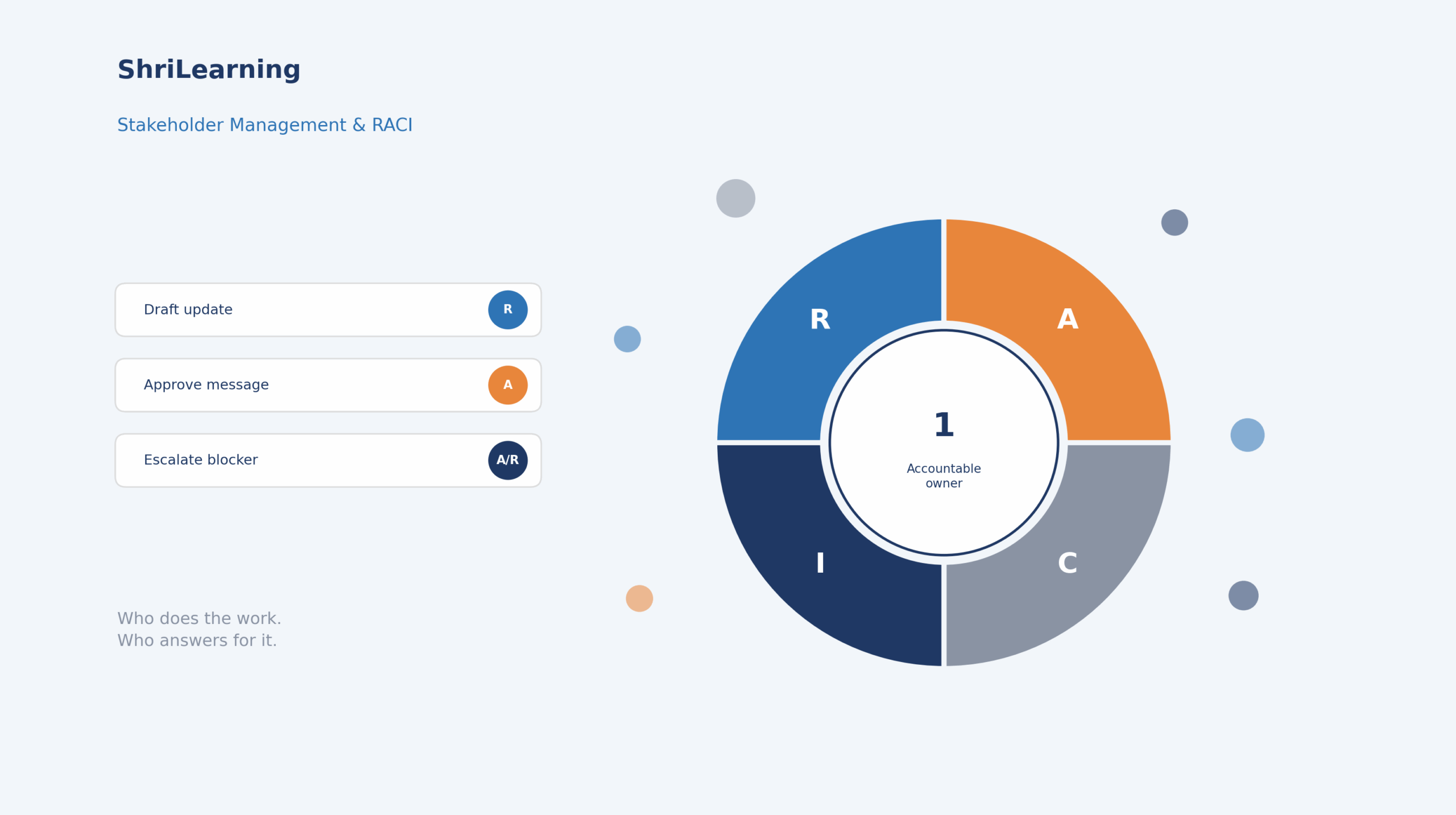
Stakeholder Management and RACI: The Complete PMP Guide (With a Worked Example)
saketpratapsinghdm2026-09-21T15:07:42+05:30September 21st, 2026|
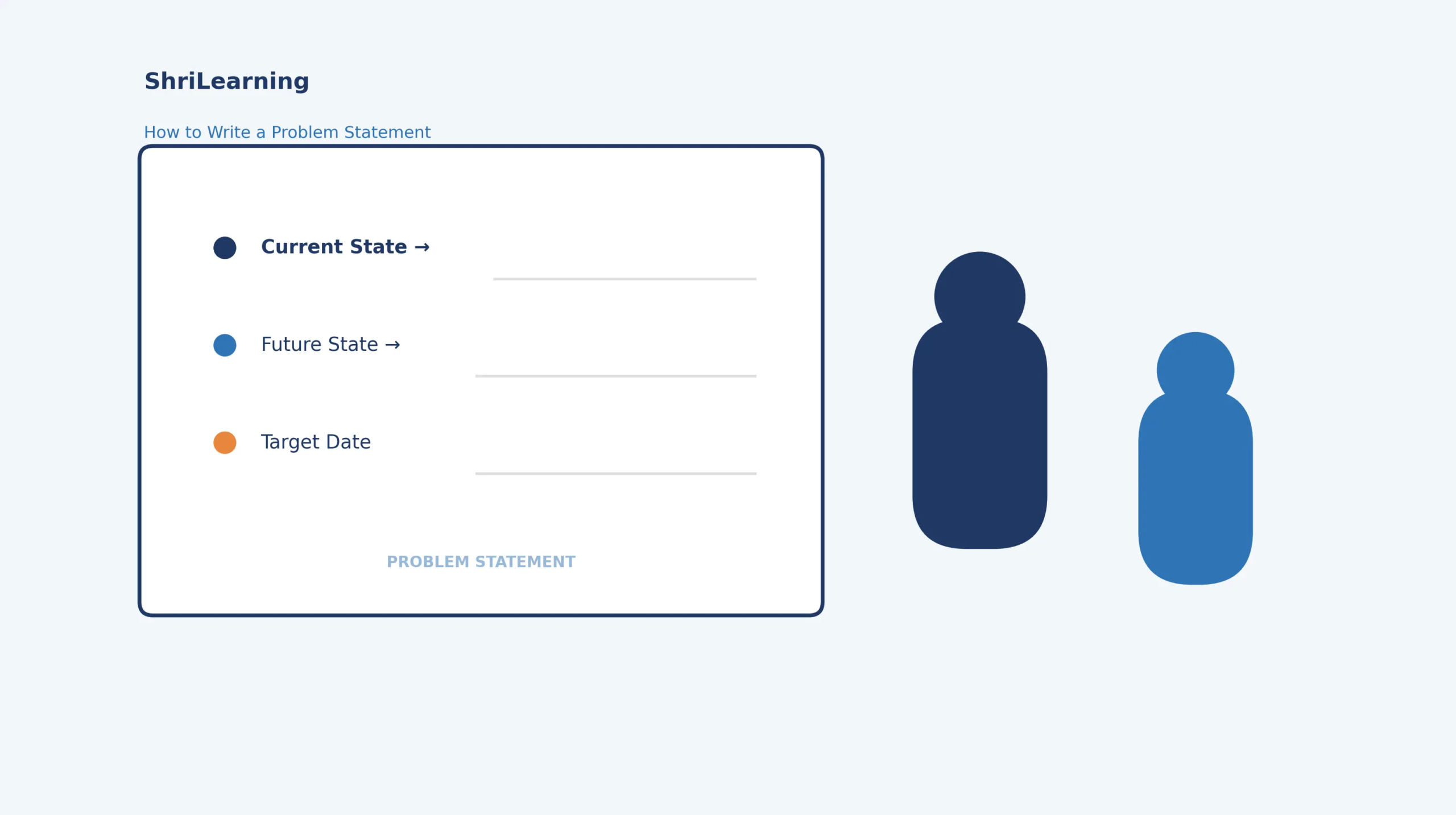
How to Write a Problem Statement (With a PMP-Ready Template and Examples)
saketpratapsinghdm2026-09-21T14:42:27+05:30September 21st, 2026|

Earned Value Management: How to Actually Read CPI and SPI (Not Just Calculate Them)
saketpratapsinghdm2026-09-17T15:32:44+05:30September 17th, 2026|

Agile Practice Guide – Second Edition: What Changed, and What It Means for Your PMI-ACP Prep
saketpratapsinghdm2026-09-17T14:45:53+05:30September 17th, 2026|

Why the PMP People Domain Dropped to 33% (And How to Master It in 2026)
saketpratapsinghdm2026-08-27T21:18:31+05:30August 27th, 2026|

CSM Certification Guide India (2026): Cost, Eligibility, Salary & Exam Steps
saketpratapsinghdm2026-09-17T15:37:52+05:30August 21st, 2026|