How to Become a Project Manager with No Experience
How to Become a Project Manager with No Experience
Ever considered becoming a project manager but feel like the lack of experience is holding you back? You’re not alone. Many aspiring professionals hesitate to take the leap, thinking they need years of expertise to get started. But guess what? You can kickstart your project management career without prior experience—all it takes is the right approach, mindset, and actionable steps.
Your first project is calling—will you answer? Join the ShriLearning Community Connect with fellow PMP aspirants and expert instructors.
This guide will walk you through how to build the foundation for a rewarding career in project management, even if you’re starting from scratch. Whether you’re a recent graduate or transitioning from another role, by the end of this, you’ll know exactly how to begin your project management journey.
What Does a Project Manager Do?
Before we begin, it’s essential to understand a project manager’s role. Essentially, project managers are responsible for leading projects to completion by planning, organizing, monitoring, and ensuring everything runs smoothly. They collaborate with teams, manage stakeholders, and mitigate risks to achieve specific goals.
Project management isn’t limited to IT or construction—it’s highly in demand across industries, from marketing to healthcare to fintech. This versatility means you can find opportunities that match your passions and interest areas.
If you’re curious, check out our article on the Top Qualities of the Best Project Managers for skills great PMs share.
Why Start a Career in Project Management?
Still wondering if this career is right for you? Here are a few perks that make project management an excellent choice:
- High Earning Potential: Senior PMs often land six-figure salaries.
- Opportunities Across Industries: Project managers are needed everywhere, from startups to Fortune 500 companies.
- Career Growth: Certifications like PMP can lead to leadership positions.
- Problem-Solving Satisfaction: Enjoy a rewarding role where your decisions make a real impact.
How to Become a Project Manager with No Experience
If you don’t have direct project management experience, don’t worry. Follow these steps to build your path to success:
1. Learn the Fundamentals of Project Management
Start by building your knowledge. Familiarize yourself with the core principles and methodologies of project management. Some beginner-friendly frameworks include:
- Waterfall – Timeline-driven, suitable for structured projects.
- Agile – Flexible and incremental, great for tech environments.
- Scrum – A subset of Agile, ideal for iterative short-term goals.
You can get started by reading PMBOK 8th Edition or exploring free resources like the Top 8 Free PMP Certification Resources blog.
2. Hone Transferable Skills
The good news? You may already possess many skills vital for project management. Develop these further to stand out:
- Communication: Clear and effective interaction with teams and stakeholders.
- Problem Solving: Ability to anticipate risks and find actionable solutions.
- Leadership: Motivating and managing teams to achieve goals.
- Time Management: Delivering results within deadlines.
Not sure where to start? Our blog on the Top 9 Essential Project Manager Skills has you covered.
3. Leverage Existing Experience
Even if your current role isn’t labeled “Project Manager,” chances are you’ve managed tasks, organized teams, or led initiatives. Highlight these experiences in your resume. For example:
- Coordinated team efforts to achieve sales milestones.
- Planned a product launch from start to finish, adhering to deadlines.
- Managed client-facing events, resolving last-minute issues.
Remember, recruiters prize potential just as much as experience. Showcase what you’ve accomplished to demonstrate you’re prepared for a PM role.
4. Master Project Management Tools
Project managers use specific tools to plan, track, and organize projects. Becoming fluent in these platforms will make you a more attractive candidate:
- Trello and ClickUp (Task Management)
- Microsoft Project (Scheduling)
- Slack (Team Communication)
- Jira (Agile Software Development)
Feeling overwhelmed? Use our 10 Best Tools for Project Managers to identify the right apps to practice on.
5. Earn a Project Management Certification
Certifications act like stamps of approval, showing potential employers you’re serious and qualified. While PMP is the gold standard, you don’t need to start there. Beginner-friendly certifications include:
- CAPM (Certified Associate in Project Management) – A solid stepping stone for newcomers.
- Certified Scrum Master (CSM) – Perfect if Agile fascinates you.
- Google Project Management Certificate – Affordable and accessible.
Check out our comparison of PMP vs. PRINCE2 vs. Agile Certifications to find which suits your goals.
6. Join Project Management Communities
Networking is crucial when breaking into project management. Engage with communities like:
- PMI (Project Management Institute) local chapter meetings.
- LinkedIn groups for PMs.
- Online courses with interactive forums.
Building genuine relationships with industry insiders can lead to mentorship, job referrals, or insider opportunities.
7. Volunteer or Intern
Gaining hands-on experience doesn’t always require a full-time PM title. Consider volunteering for smaller roles that involve planning or leadership. Examples include:
- Managing an event for a non-profit.
- Organizing workflow in your current team.
- Coordinating projects in your local community.
Think of these as micro-experiences to bolster your resume while learning on the job.
8. Apply for Entry-Level Roles
Finally, start applying for roles titled “Project Coordinator,” “Junior PM,” or “Team Leader.” These positions typically require fewer responsibilities but provide excellent learning opportunities under an experienced manager.
Tailor your resume to highlight relevant achievements, using strong action verbs. Don’t forget to customize every cover letter to show enthusiasm for each company’s specific needs.
Tips to Accelerate Your PM Journey
Once you’ve landed your first role, continue growing these essentials for long-term success:
- Prioritize self-learning by consuming blogs on Wicked Problem Solving or collaboration techniques.
- Track professional development with certifications like Agile or PMP.
- Refine your emotional intelligence to improve teamwork and stakeholder relationships.
The road to mastery never ends—great PMs are consistent learners.
Take Action and Build Your Project Management Career
Becoming a successful project manager with no experience may seem daunting, but it’s absolutely achievable. With curiosity, persistence, and some strategic effort, you can start leading impactful projects and shaping the future of your career.
Need more guidance? Explore our article on How PMP Certification Can Help You Secure a Job or partner with a mentor today.
Your first project is calling—will you answer? Join the ShriLearning Community Connect with fellow PMP aspirants and expert instructors. Crete your study plan for free from ShriLearning study-plan-generator.
FAQs
More for you
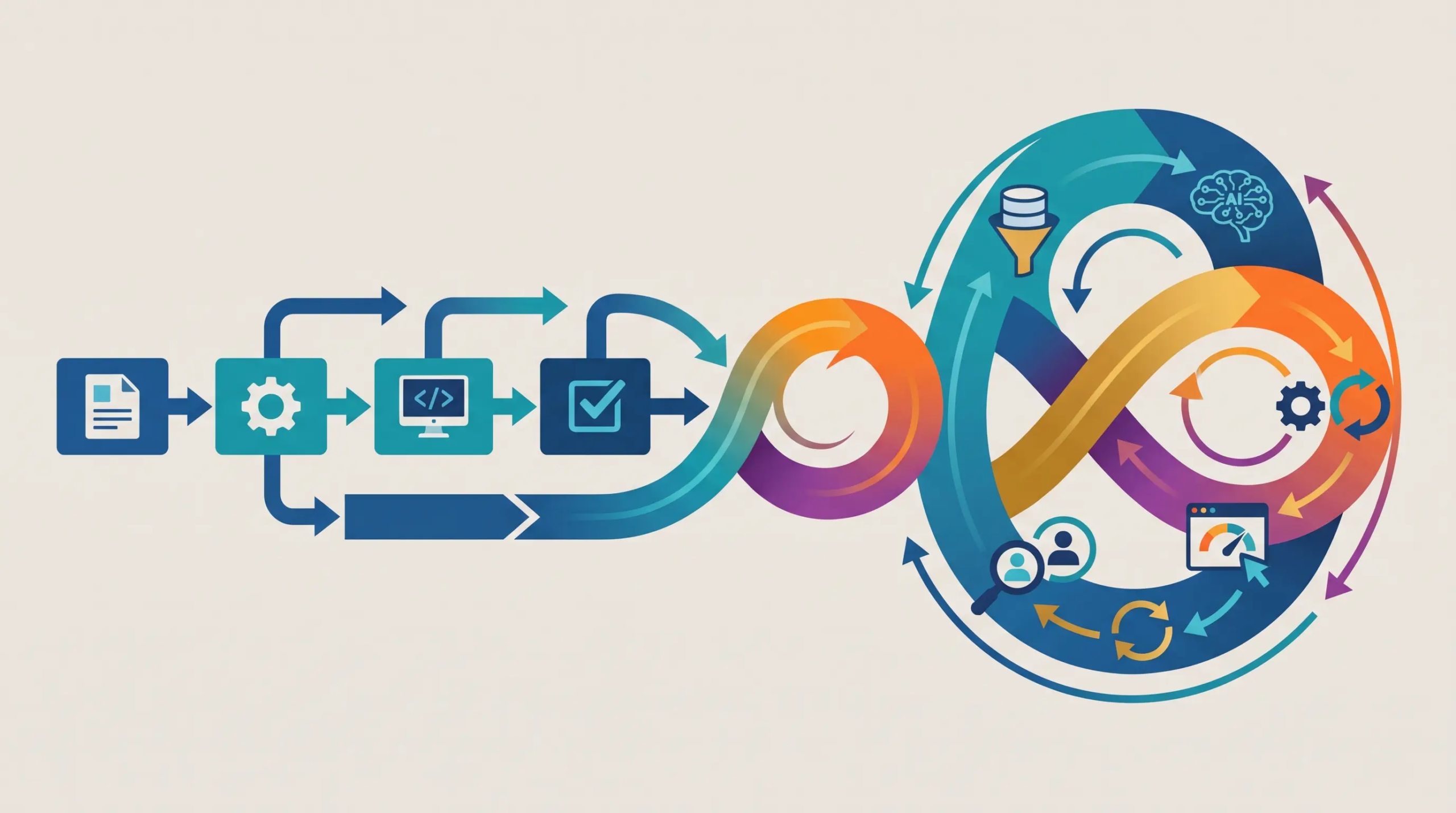
6 Phases to Run a Successful AI Project
saketpratapsinghdm2026-10-25T15:57:35+05:30October 25th, 2026|

How to Transition From Project Manager to PMO Leader
saketpratapsinghdm2026-10-25T14:09:58+05:30October 25th, 2026|

Sustainable AI Starts with Trustworthy AI: A 2026 Guide for Project Managers
saketpratapsinghdm2026-10-24T17:34:12+05:30October 24th, 2026|

Leading Teams Through Change: How Project Managers Can Drive Successful Transformation in 2026
saketpratapsinghdm2026-10-24T16:59:20+05:30October 24th, 2026|
How to Use AI in Project Management: 10 Practical Workflows
saketpratapsinghdm2026-10-24T15:55:17+05:30October 24th, 2026|
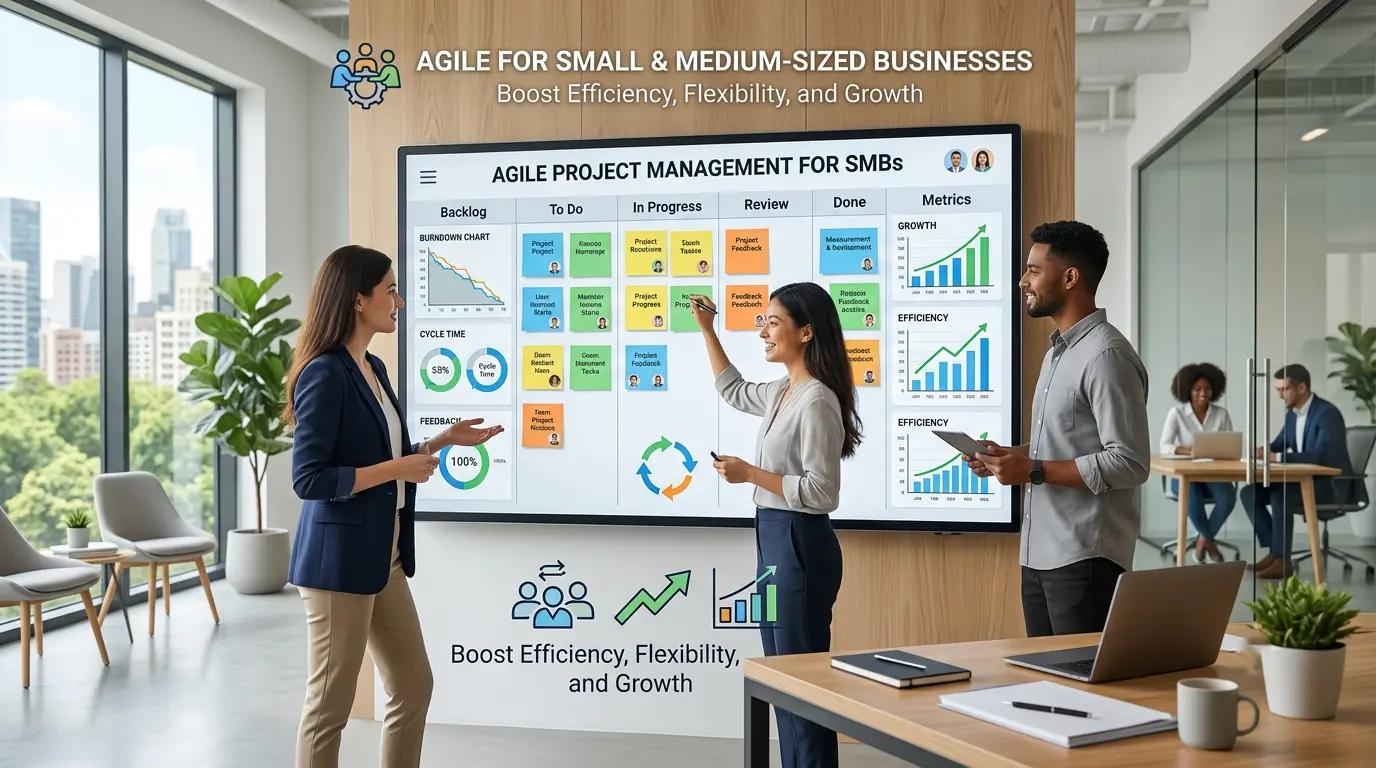
Benefits of Agile Project Management for Small and Medium-Sized Businesses
saketpratapsinghdm2026-09-28T10:12:30+05:30September 28th, 2026|

Work Breakdown Structure (WBS): The Complete PMP Guide, With a Worked Example
saketpratapsinghdm2026-09-21T16:48:15+05:30September 21st, 2026|
Stakeholder Management and RACI: The Complete PMP Guide (With a Worked Example)
saketpratapsinghdm2026-09-21T15:07:42+05:30September 21st, 2026|