What Is Wicked Problem Solving? A Guide for PMP Aspirants and Business Professionals
What Is Wicked Problem Solving? A Guide for PMP Aspirants and Business Professionals
Complex challenges require innovative solutions, but not all problems can be solved with tools or processes alone. Enter Wicked Problem Solving, an approach designed to tackle problems that are ill-defined, multifaceted, and resistant to simple solutions.
Whether you’re a Project Manager, PMP aspirant, Entrepreneur, or Team Leader, understanding how to address wicked problems is key to managing complex projects and leading dynamic teams effectively. This guide will help you grasp the concept of wicked problem solving, understand its relevance in project management, and explore how this approach can drive results in professional environments.
By the end of this blog, you’ll know how to:
- Identify wicked problems;
- Enhance collaboration within your team; and
- Strategically approach these challenges to improve outcomes.
What Are Wicked Problems?
Characteristics and Complexity
The term “wicked problem” was coined by Horst Rittel and Melvin Webber in 1973 to describe problems with no definitive solution. Here are the key characteristics that make them unique:
- Ill-defined objectives: Stakeholders may disagree on what “success” looks like.
- Interconnected issues: The problem is tangled with other problems, making it hard to address one aspect without affecting others.
- Constantly changing variables: Dynamic environments—such as industries disrupted by technological innovation—add ongoing complexity.
- No clear right or wrong solution: Unlike simple or complicated problems, wicked problems often pose ethical dilemmas or trade-offs.
Examples in Action
Wicked problems manifest across industries, including:
- Healthcare: Balancing cost, access, and quality in healthcare delivery.
- Technology: Adopting AI without exacerbating bias or privacy concerns.
- Environmental Sustainability: Combating climate change while maintaining economic growth.
- Business Management: Managing large-scale digital transformation in global organizations.
For project managers, managing these problems requires design thinking, adaptive strategies, and an ability to translate ambiguity into actionable steps.
Read next: How PMP Certification Can Help You Manage Projects More Effectively.
The Role of Team Collaboration in Wicked Problem Solving
When addressing wicked problems, collaboration is non-negotiable. No single person can resolve such challenges alone.
Building Team Dynamics
- Foster a Shared Vision
Align your team around common goals, even when individual interpretations of the problem may vary. This removes disconnect and unites your efforts.
- Leverage Cross-functional Expertise
Engage individuals with diverse perspectives (e.g., engineers, strategists, data analysts). Cross-functional collaboration is critical for designing non-linear solutions.
Establishing Trust and Communication
- Encourage open dialogue to discuss diverse viewpoints.
- Use communication tools like Slack, Zoom, or Miro for effective remote collaboration.
- Rely on issue-based information systems to structure team debates rationally.
Collaborative tools reduce friction and promote clarity, especially for distributed teams managing complex projects.
Read more about collaboration in our blog on Essential Skills Every Project Manager Should Master.
Collaborative Leadership’s Role
Wicked problems demand collaborative leadership, where leaders prioritize flexibility, inclusivity, and innovation over traditional hierarchies.
Characteristics of Effective Leaders
- Empathy and Active Listening to understand conflicting stakeholder demands.
- Adaptability for evolving project landscapes.
- Encouragement of Creativity to inspire new solutions.
Strategies for Success
-
Encourage Innovation
Allocate space for brainstorming through problem structuring methods. Instill a culture wherein teams freely pitch unconventional solutions.
-
Lead Cross-functional Teams
Establish clear roles yet remain agile for dynamic problem-solving.
Explore more in ShriLearning guide to Agile Leadership.
Approaches to Wicked Problem Solving
1. Problem Framing
Redefine the problem by asking “What’s the real issue we’re solving?” Techniques like Interdisciplinary Approach and strategic assumption surfacing can clarify the core concern.
2. Solution Generation
Using design thinking frameworks, brainstorm diverse possibilities and test small-scale prototypes. Base these tests on feedback and outcomes for iterative improvement.
3. Foster Collaboration
Design environments where teams exchange knowledge and insights easily. Collaborative environments help align different departmental approaches into cohesive strategies.
Check out An Introductory Model to Systems Thinking for deeper insights.
Conflict Resolution and Decision-Making
Conflict can emerge when tackling wicked problems, given their complexity and diverse stakeholder viewpoints. Here’s how to manage it:
1. Resolve Challenges With Open Dialogue
Encourage constructive conflict resolution strategies—turn disagreements into productive discussions.
2. Make Analytical Decisions
Adopt evidence-driven analyses, factoring in both qualitative and quantitative data. Use frameworks like systemic design to understand ripple effects.
Pro Tip: PMP training covers decision-making techniques in robust detail. Learn why mastering this skill elevates career success in How PMP Certification Can Help You Secure a Job in Project Management.
Enhancing Team Productivity and Engagement
Sharing Knowledge
Develop a database of lessons learned and encourage constant skill sharing between team members. This ensures solutions grow more refined with each iteration.
Building Continuous Improvement
Instill an adaptive mindset within your team by celebrating progress and fostering curiosity over fixed solutions.
Boost productivity with steps outlined in our blog How to Manage Project Budget Effectively.
How Wicked Problem Solving Can Boost Projects & Careers
Wicked problems will only grow in complexity—from managing policy planning challenges to overseeing digital transformation strategies. Professionals who master complex problem-solving using collaborative tools, innovative strategies, and empathetic leadership will thrive in these scenarios.
At ShriLearning Institute, we go beyond theoretical concepts. Our PMP training courses are designed to equip you with practical tools to address these challenges. You’ll learn methods such as design thinking, systemic design, and strategic assumption structuring—all essential for advancing your projects and career.
Explore our PMP courses, compare certifications (PMP vs Alternative Certifications), or reach out for expert advice on building your skillset.
Your first project is calling—will you answer? Join the ShriLearning Community Connect with fellow PMP aspirants and expert instructors. Crete your study plan for free from ShriLearning study-plan-generator.
More for you

How to Use AI in Project Management: 10 Practical Workflows
saketpratapsinghdm2026-10-24T15:48:41+05:30October 24th, 2026|
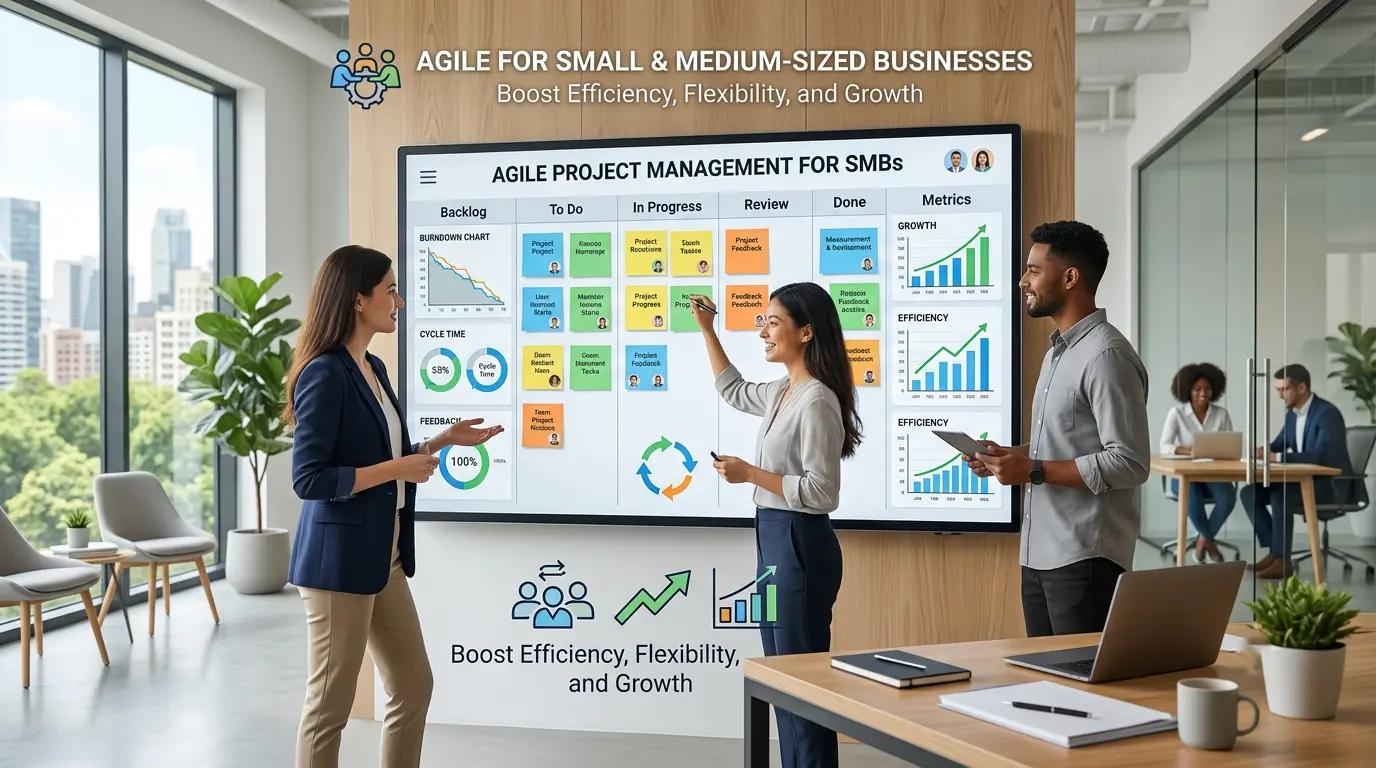
Benefits of Agile Project Management for Small and Medium-Sized Businesses
saketpratapsinghdm2026-09-28T10:12:30+05:30September 28th, 2026|

Work Breakdown Structure (WBS): The Complete PMP Guide, With a Worked Example
saketpratapsinghdm2026-09-21T16:48:15+05:30September 21st, 2026|
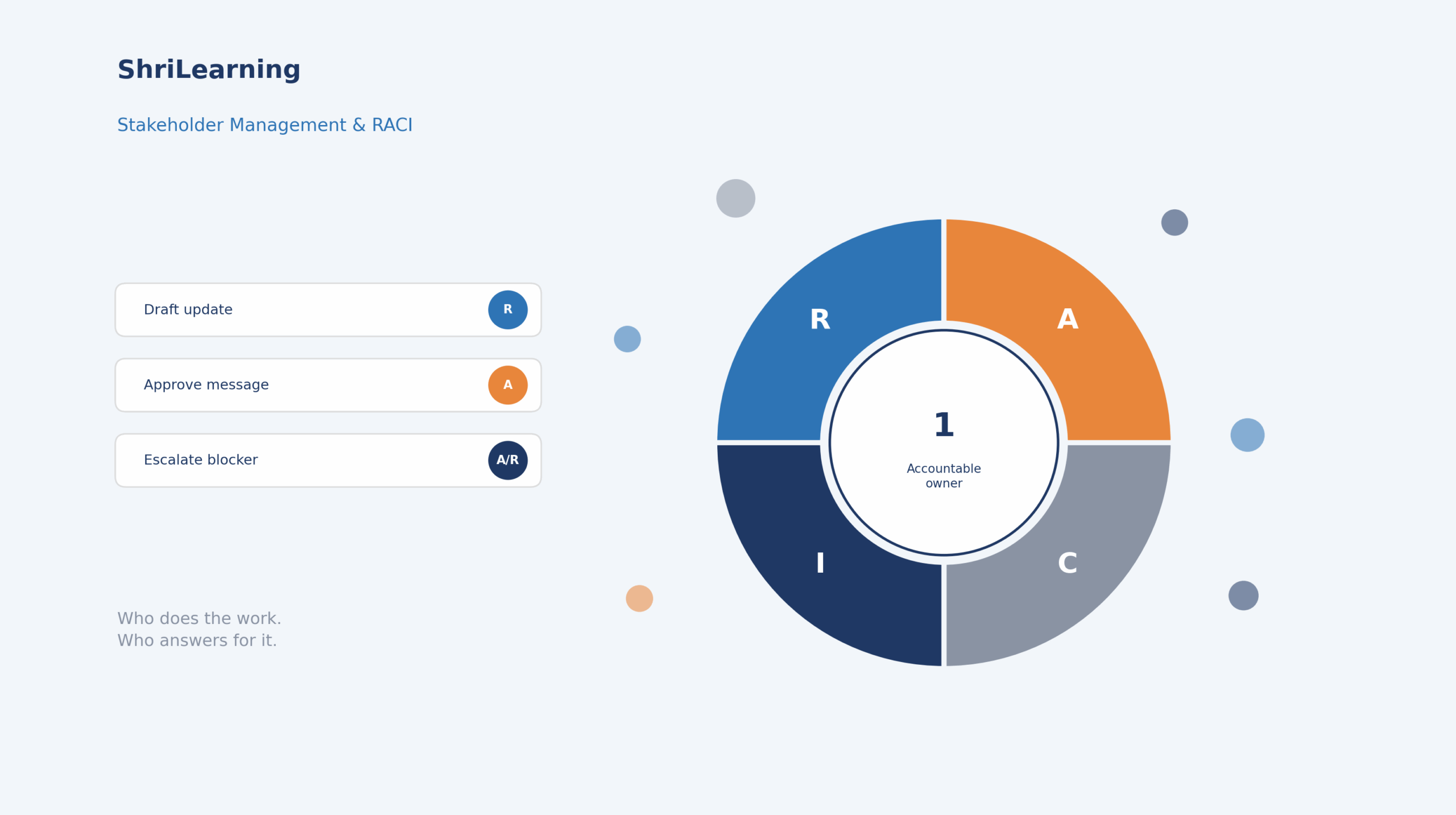
Stakeholder Management and RACI: The Complete PMP Guide (With a Worked Example)
saketpratapsinghdm2026-09-21T15:07:42+05:30September 21st, 2026|

How to Write a Problem Statement (With a PMP-Ready Template and Examples)
saketpratapsinghdm2026-09-21T14:42:27+05:30September 21st, 2026|

Earned Value Management: How to Actually Read CPI and SPI (Not Just Calculate Them)
saketpratapsinghdm2026-09-17T15:32:44+05:30September 17th, 2026|

Agile Practice Guide – Second Edition: What Changed, and What It Means for Your PMI-ACP Prep
saketpratapsinghdm2026-09-17T14:45:53+05:30September 17th, 2026|

Why the PMP People Domain Dropped to 33% (And How to Master It in 2026)
saketpratapsinghdm2026-08-27T21:18:31+05:30August 27th, 2026|