9 Essential Skills Every Great Project Manager Should Master
9 Essential Skills Every Great Project Manager Should Master
In the ever-changing business world, being a project manager isn’t just about keeping things on schedule or under budget—though those are definitely part of the job. It’s about leading teams, making tough calls, and ensuring your projects not only finish on time but also add real value to your organization. So, what sets a great project manager apart from a good one? Here are nine essential skills that can make all the difference.
Strategic Business Insight
Projects don’t happen in a vacuum. They’re pieces of a much larger puzzle within your company’s overall strategy. As a project manager, you need to see how your project fits into the bigger picture. This strategic insight lets you align your project’s goals with the company’s objectives, ensuring that what you’re working on actually moves the needle in a meaningful way. It’s like being a chess player—you’re not just focused on the next move but several moves ahead.
For those new to project management, understanding the fundamentals is key. Check out our comprehensive guide on What Is Project Management Professional (PMP) Certification? to get started.
Master Negotiator
Let’s be honest—negotiation is part of your daily routine as a project manager. Whether you’re securing resources, managing stakeholder expectations, or mediating conflicts, your ability to negotiate effectively can make or break your project. The best project managers don’t just push for their way; they listen, find common ground, and create solutions that satisfy everyone involved. This skill is crucial, especially when resources are tight or tensions are running high.
Negotiation skills are especially important when dealing with external vendors. Learn more about this in our article on Project Procurement Management.
Exceptional Communication
Communication is more than just getting your message across—it’s about making sure everyone understands and is on the same page. Whether you’re writing a detailed report, giving a presentation, or just sending a quick update, how you communicate can set the tone for the entire project. Great project managers know how to adapt their communication style to different audiences, ensuring that everyone, from team members to stakeholders, knows exactly what’s going on.
Clear communication is crucial, especially in Agile environments. For more on this, read our piece on Agile Leadership and how it impacts project communication.
Empathy and Emotional Intelligence
Sure, technical skills are important, but empathy and emotional intelligence are what really set the best project managers apart. Understanding what makes your team tick, what motivates them, and what challenges they face can help you lead more effectively. By showing empathy, you create a work environment where people feel valued and understood, which boosts morale and, ultimately, productivity. Emotional intelligence also helps you navigate tricky interpersonal dynamics and make decisions that benefit the whole team.
For those interested in the human aspect of project management, our guide on How To Handle When Your Team Disagrees With Your Project Schedule offers valuable insights.
Building Consensus
Getting everyone to agree on a decision isn’t always easy, but it’s necessary for a project to succeed. Building consensus means guiding a group with different opinions toward a decision that everyone can support. It’s not just about winning people over; it’s about creating a solution that works for everyone involved. When you build consensus effectively, you make sure all stakeholders feel heard and valued, which makes for smoother project execution.
Struggling with consensus in Agile teams? Explore our article on Scaling Agile Development for tips.
Resilience Under Pressure
Project management often involves high stakes, tight deadlines, and the occasional curveball. In these moments, resilience is key. Being able to stay calm and focused under pressure not only helps you make better decisions but also sets a positive example for your team. When your team sees you keeping your cool, they’re more likely to stay motivated and push through challenges. Resilience isn’t just about bouncing back from setbacks; it’s about maintaining your composure no matter what comes your way.
Learn how to stay resilient with our insights on Risk Management Trends that will shape 2024.
Commitment to the Role
For great project managers, the job isn’t just a job—it’s a responsibility they take seriously. This commitment is evident in everything they do, from how they manage their time to how they interact with their team. They’re always striving to improve, learn new skills, and deliver the best results possible. This level of dedication often leads to better project outcomes because committed project managers are more likely to anticipate challenges and come up with innovative solutions.
If you’re considering furthering your commitment to the role, check out Why Every Project Manager Needs PMP Certification to understand its benefits.
Broad Knowledge Base
Being a project manager means knowing a little bit about a lot of things. A broad knowledge base allows you to make informed decisions and tackle challenges from multiple angles. Whether it’s understanding the technical aspects of your project, the financial implications, or the human factors involved, having diverse knowledge gives you the tools you need to lead your project to success. It also enables you to draw connections between different fields, which can lead to more creative solutions.
Expand your knowledge by reading Top Eight AI Tools That Every Project Manager Has To Know In 2024 for the latest tech trends.
Lifelong Learning
The world of project management is constantly evolving, and the best project managers are those who commit to lifelong learning. This means staying up-to-date with the latest industry trends, learning new methodologies, and being open to new ideas. Lifelong learners are adaptable and always ready to embrace new challenges. By committing to continuous learning, you ensure that your skills stay sharp and that you remain a valuable asset to your organization.
For a detailed roadmap on continuous improvement, see our article on Achieving PMP Certification and how it sets the foundation for lifelong learning.
More for you
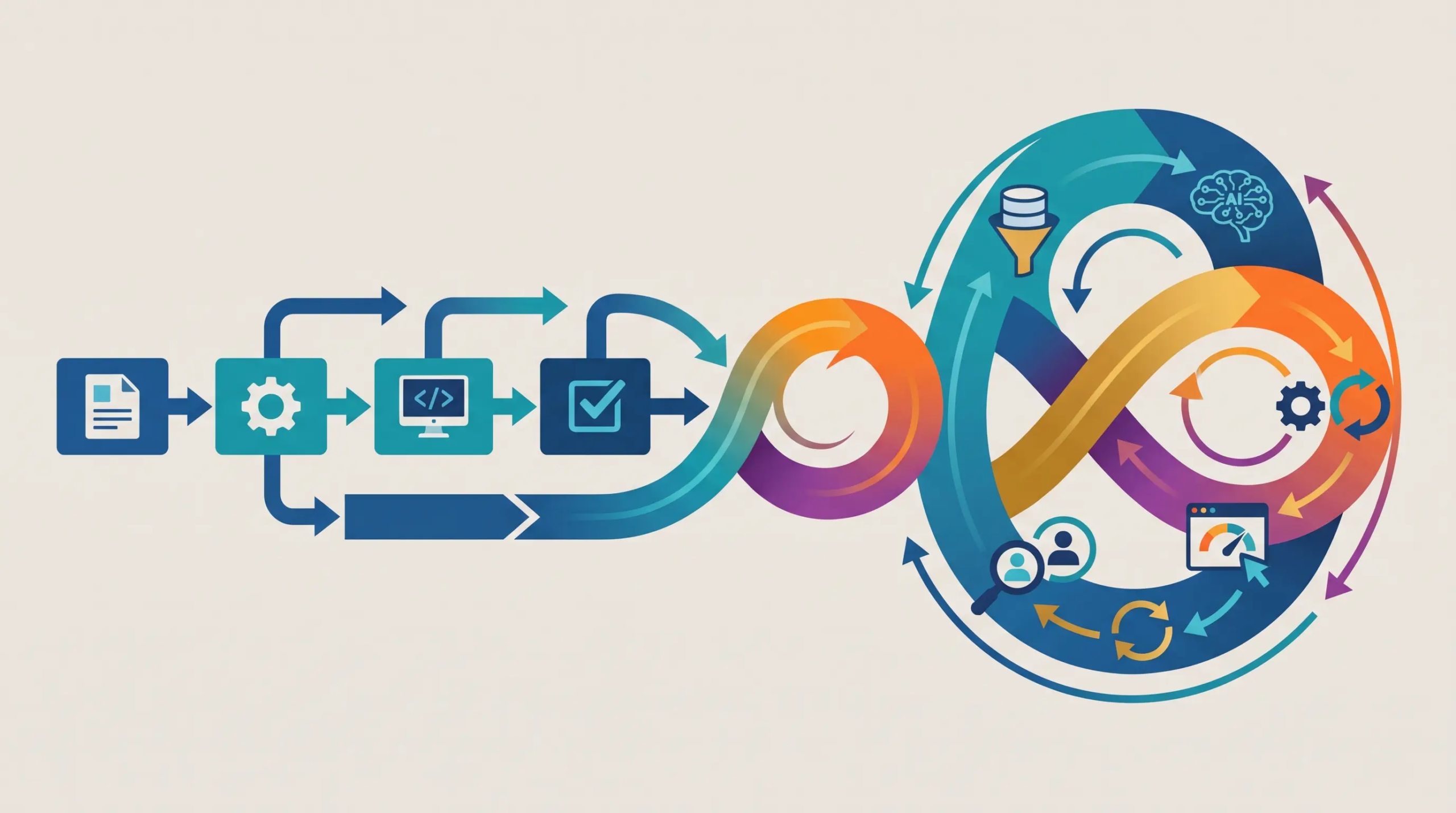
6 Phases to Run a Successful AI Project
saketpratapsinghdm2026-10-25T15:57:35+05:30October 25th, 2026|
How to Transition From Project Manager to PMO Leader
saketpratapsinghdm2026-10-25T14:09:58+05:30October 25th, 2026|

Sustainable AI Starts with Trustworthy AI: A 2026 Guide for Project Managers
saketpratapsinghdm2026-10-24T17:34:12+05:30October 24th, 2026|

Leading Teams Through Change: How Project Managers Can Drive Successful Transformation in 2026
saketpratapsinghdm2026-10-24T16:59:20+05:30October 24th, 2026|
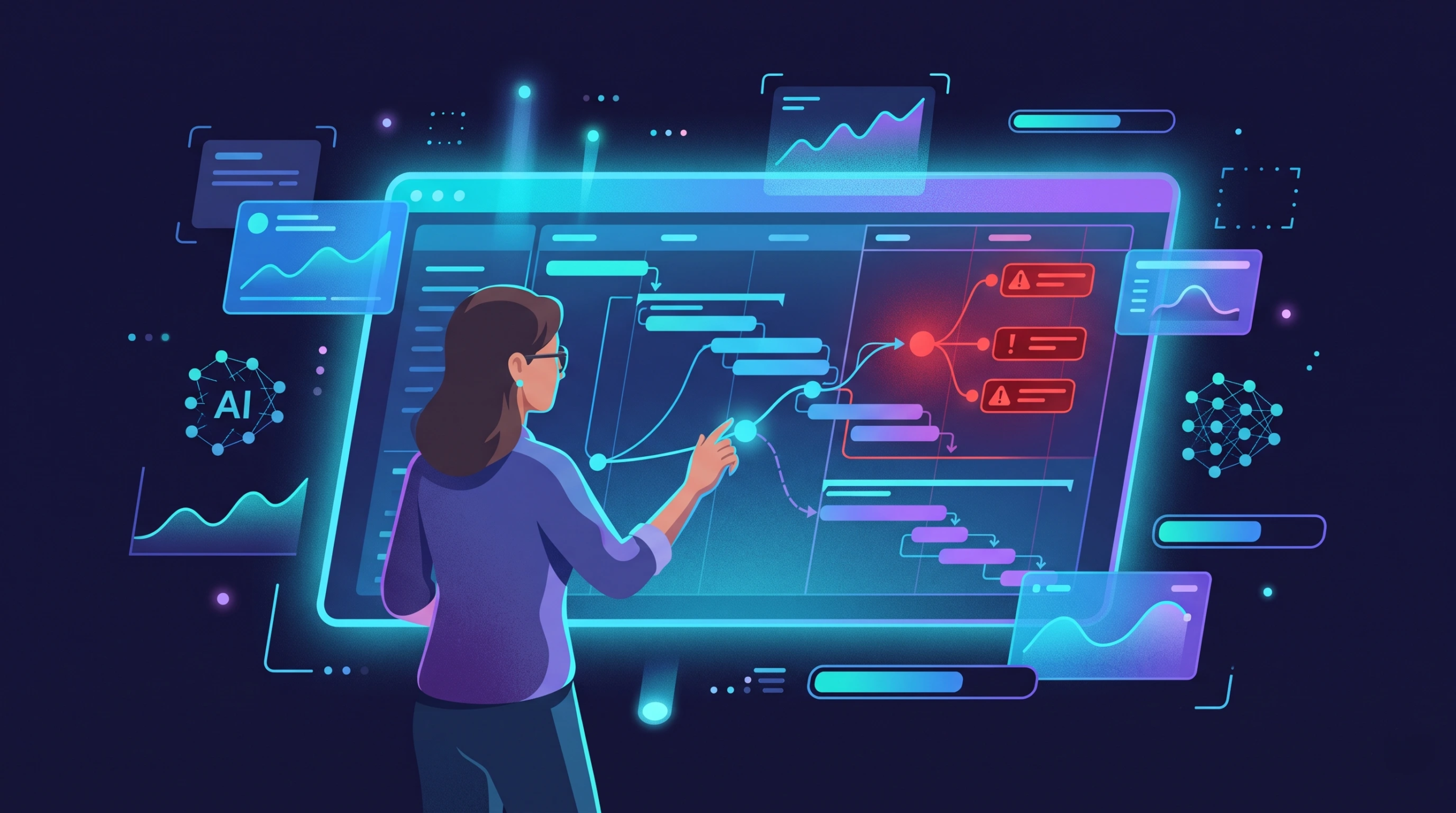
How to Use AI in Project Management: 10 Practical Workflows
saketpratapsinghdm2026-10-24T15:55:17+05:30October 24th, 2026|
Benefits of Agile Project Management for Small and Medium-Sized Businesses
saketpratapsinghdm2026-09-28T10:12:30+05:30September 28th, 2026|

Work Breakdown Structure (WBS): The Complete PMP Guide, With a Worked Example
saketpratapsinghdm2026-09-21T16:48:15+05:30September 21st, 2026|
Stakeholder Management and RACI: The Complete PMP Guide (With a Worked Example)
saketpratapsinghdm2026-09-21T15:07:42+05:30September 21st, 2026|