In today’s competitive job market, standing out is more critical than ever. Project managers (PMs) are particularly aware of the importance of certifications that enhance their skills and marketability. One of the most sought-after certifications in this field is the Project Management Professional (PMP) certification. It’s not just about adding a credential to your name; it’s about opening doors to new opportunities, higher salaries, and greater respect in the workplace. Let’s delve into the various reasons why obtaining a PMP certification is a wise career move for project managers, from both employee and employer perspectives.
The Importance of PMP Certification for Project Managers
The PMP certification is a globally recognized credential offered by the Project Management Institute (PMI). It signifies that a project manager possesses the experience, education, and competency to lead and direct projects. This certification is not just a feather in your cap; it’s a significant investment in your professional development and career growth.
Career Opportunities and Growth
One of the primary reasons project managers pursue PMP certification is the promise of enhanced career opportunities. The job market for project management professionals is robust, with a high demand for skilled PMs in various industries. Whether you’re looking to climb the corporate ladder or switch to a more lucrative industry, having a PMP certification can make a significant difference. According to PMI, there are numerous job opportunities worldwide for PMP certified professionals, especially in growing markets like India.
Higher Salary Potential
Another compelling reason to obtain a PMP certification is the potential for a higher salary. According to the PMI Salary Survey, PMP certified professionals earn significantly more than their non-certified counterparts. The survey revealed that PMP certified project managers earn a median salary of INR 18 lakhs in India, with even higher earnings potential in other countries. The salary difference between certified and non-certified PMs can be as much as 20%, with countries like South Africa, Switzerland, and the USA offering the highest premiums for PMP certification.
Recognition and Credibility
Earning a PMP certification also brings increased recognition and credibility, both within your current organization and in the job market. The rigorous standards and comprehensive curriculum set by PMI ensure that certified professionals have a deep understanding of project management principles and best practices. This recognition can lead to more significant responsibilities, leadership roles, and the trust of senior management and clients.
The Impact of PMP Certification on Agile Knowledge
The PMP certification is not just about traditional project management methods; it also covers agile methodologies. With 71% of companies adopting agile approaches, understanding agile concepts has become essential for PMs. The PMP certification helps project managers become proficient in agile practices, making them more versatile and valuable in the job market. This knowledge is crucial as more organizations move away from traditional project management tools and embrace agile tools like Asana, Trello, and others.
Employee Perspective on PMP Certification
From an employee’s perspective, the benefits of PMP certification extend beyond salary and job opportunities. Certified PMs often find themselves in positions where they can significantly influence project outcomes and business strategies. The certification demonstrates a commitment to the profession and an understanding of global project management standards, making certified PMs highly sought after in the job market.
Employer Perspective on PMP Certification
From an employer’s standpoint, PMP certification is equally valuable. Companies prefer hiring certified PMs because they bring a standardized approach to project management, ensuring consistency and quality across projects. PMP certified professionals can effectively communicate with clients and team members, manage risks, and adhere to best practices, all of which are critical for successful project delivery.
Customer Preference for PMP Certified Professionals
Customers also play a crucial role in the increasing demand for PMP certified professionals. In the past, only government clients insisted on PMP certification, but today, private sector clients also recognize its value. Companies like IBM have seen a significant shift in client preferences, with a growing number demanding PMP certified project managers. This trend underscores the importance of PMP certification in meeting client expectations and delivering successful projects.
Common Language and Framework
Another advantage of PMP certification is the common language and framework it provides. Certified PMs are trained in a standardized set of practices and terminologies, making it easier for them to communicate effectively with stakeholders. This common understanding helps streamline processes, reduce misunderstandings, and ensure that everyone is on the same page. For example, PMP certified PMs can distinguish between free float and total float, conduct procurement audits, and perform performance reviews more competently.
Structured Project Management
The PMP certification also equips PMs with the skills needed to manage projects in a structured manner. This is crucial because project management often involves navigating unexpected challenges, such as changing client requirements or unforeseen risks. A structured approach, grounded in PMI’s methodologies, enables PMs to manage these challenges effectively and deliver projects on time and within budget.
The Bottom Line
In conclusion, the PMP certification is an invaluable asset for any project manager looking to advance their career. It offers numerous benefits, including increased job opportunities, higher salaries, and greater recognition. Additionally, it equips PMs with the knowledge and skills needed to navigate the complexities of modern project management, including agile methodologies. For employers, PMP certified professionals bring a standardized, proven approach to project management, ensuring the successful delivery of projects and satisfaction of clients.
Investing in PMP certification is a strategic decision that can significantly enhance your career prospects and earning potential. Whether you’re an aspiring project manager or an experienced professional looking to advance, obtaining PMP certification is a step in the right direction. So, consider enrolling in a PMP training course today and take your career to new heights.
More for you
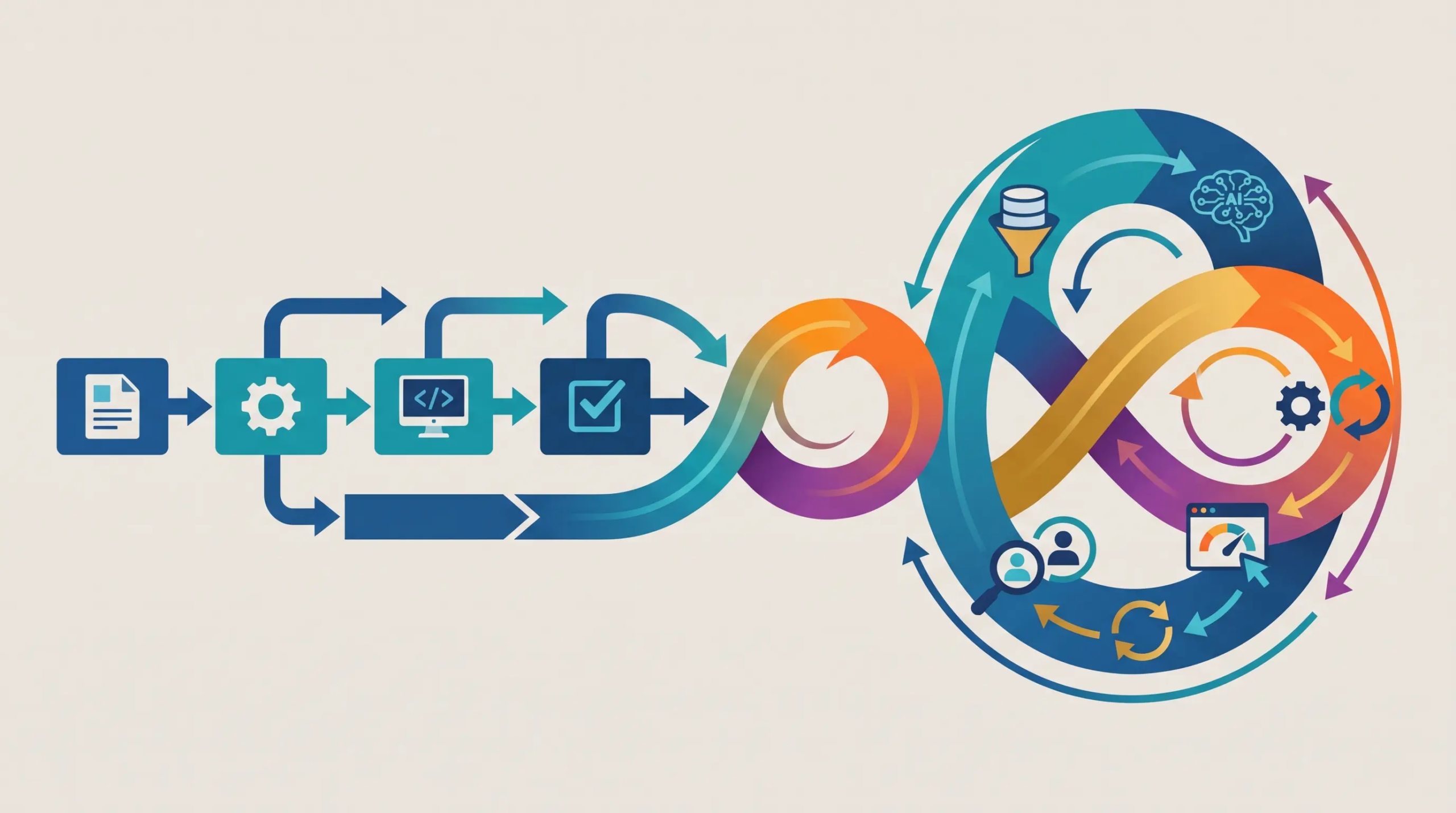

6 Phases to Run a Successful AI Project
saketpratapsinghdm2026-10-25T15:57:35+05:30October 25th, 2026|

How to Transition From Project Manager to PMO Leader
saketpratapsinghdm2026-10-25T14:09:58+05:30October 25th, 2026|

Sustainable AI Starts with Trustworthy AI: A 2026 Guide for Project Managers
saketpratapsinghdm2026-10-24T17:34:12+05:30October 24th, 2026|

Leading Teams Through Change: How Project Managers Can Drive Successful Transformation in 2026
saketpratapsinghdm2026-10-24T16:59:20+05:30October 24th, 2026|

How to Use AI in Project Management: 10 Practical Workflows
saketpratapsinghdm2026-10-24T15:55:17+05:30October 24th, 2026|
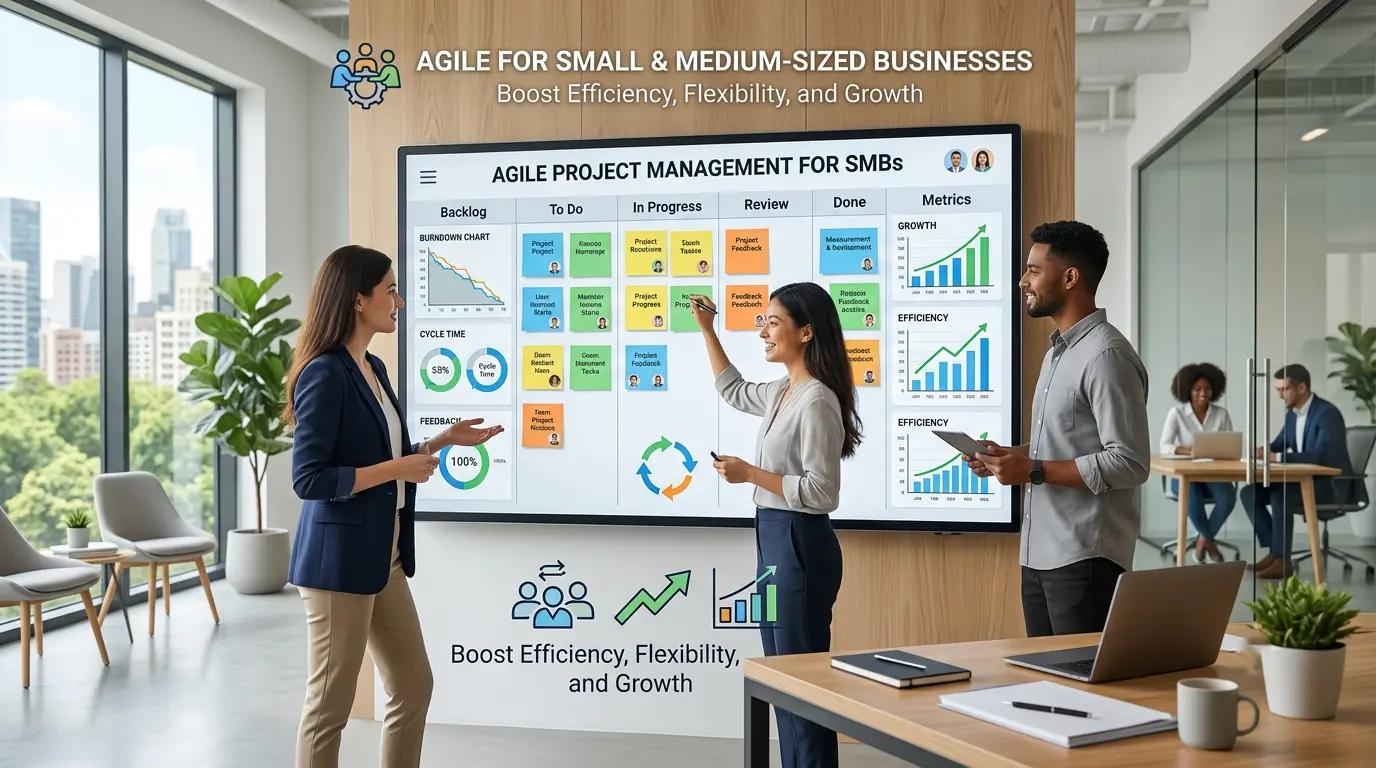
Benefits of Agile Project Management for Small and Medium-Sized Businesses
saketpratapsinghdm2026-09-28T10:12:30+05:30September 28th, 2026|

Work Breakdown Structure (WBS): The Complete PMP Guide, With a Worked Example
saketpratapsinghdm2026-09-21T16:48:15+05:30September 21st, 2026|
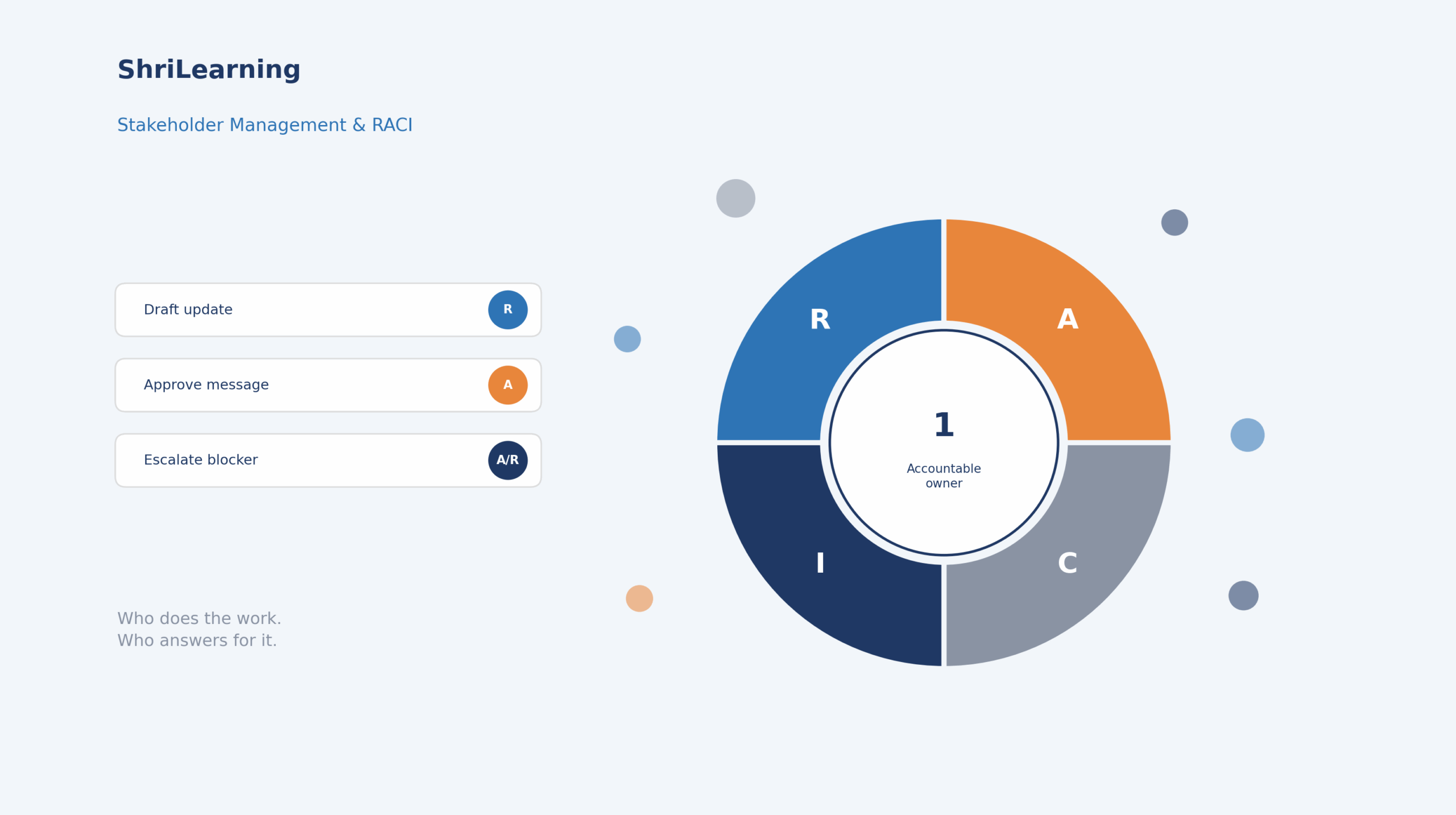
Stakeholder Management and RACI: The Complete PMP Guide (With a Worked Example)
saketpratapsinghdm2026-09-21T15:07:42+05:30September 21st, 2026|