Will You Get a Job for Sure After Your PMP Certification? (2026 Reality Check)
Will You Get a Job for Sure After Your PMP Certification? (2026 Reality Check)
It is the most common question every professional asks before dedicating months of their life (and hundreds of dollars) to studying: “Will I get a job for sure after I pass the PMP exam?”
Let’s cut through the marketing noise and give you the absolute truth.
No. The PMP certification does not guarantee you a job.
There is no magical credential in the world that will force an employer to hand you an offer letter just because you have three letters next to your name on LinkedIn. If you lack communication skills, have a terrible resume, or bomb the technical interview, a PMP will not save you.
However, asking if it guarantees a job is the wrong question. The real question you should be asking is: Does the PMP certification help you get a job?
The answer to that is a massive, data-backed Yes. Here is exactly how the modern hiring landscape views the PMP in 2026, and how you must leverage it to actually secure your next role.
1. The Resume Filter: How Algorithms View the PMP
Before a human hiring manager ever sees your application, it must pass through an Applicant Tracking System (ATS). In 2026, corporate HR departments are using aggressive AI-driven ATS software to filter out unqualified candidates.
For mid-to-senior level project management roles, the phrase “PMP Certified” is often programmed as a hard mandatory keyword.
If you have 10 years of incredible project experience but lack the certification, the AI will frequently auto-reject your resume in favor of a candidate with only 4 years of experience who holds the PMP. The certification does not guarantee you the job, but it guarantees you survive the initial algorithm filter and actually get your resume in front of a human.
2. The Trust Factor: What Hiring Managers Actually See
When a hiring manager or PMO Director sees the PMP on your profile, they do not just see a test score. They see a verified, globally recognized baseline of trust.
The PMP signals three critical things to an employer:
-
You speak the global language of business. You understand the difference between a risk and an issue, you know how to calculate schedule variance, and you understand enterprise governance.
-
You possess grit. The PMP is notoriously difficult. Passing it proves to an employer that you can commit to a long-term, stressful goal and see it through to completion.
-
You understand the “Hybrid” reality. Because the current exam tests heavily on Agile and Hybrid methodologies, employers know you aren’t stuck in outdated Waterfall mindsets.
(Want to see exactly what jobs are looking for this credential? Check out our breakdown of the Top 6 Jobs You Can Get When You Are PMP Certified).
3. The Salary Bump: Leverage During Negotiation
While the PMP gets you to the interview table, its secondary power comes during salary negotiations.
According to global data, PMP-certified project managers earn significantly more than their uncertified peers—often seeing a salary increase of 16% to 32% depending on the region. When you sit down to negotiate your compensation, the certification acts as an objective, third-party validation of your market worth. It transforms your negotiation from “I think I am worth this” to “The global market rate for a certified professional is this.”
4. 3 Steps to Turn Your PMP into Job Offers
Getting the certification is only step one. Here is how to actually turn it into a job offer:
-
Optimize Your LinkedIn Instantly: Do not just add “PMP” to your last name. Rewrite your profile summary to highlight that you are a “PMP-Certified Project Leader specializing in Hybrid delivery.” Update your skills section to include specific PMBOK 8th Edition terminology.
-
Target the Right Companies: Look for enterprise organizations, government contractors, and mature tech companies. These sectors traditionally mandate the PMP for leadership roles, meaning your credential holds significantly more weight there than at a seed-stage startup.
-
Master the Scenario Interview: The PMP proves you know the theory; the interview proves you can apply it. You must be able to answer high-pressure situational questions perfectly. (Prepare using our guide to the Top 50 Project Manager Interview Questions).
Now that we have successfully updated and pivoted this post to avoid cannibalization, how would you like to handle the other three overlapping “Job Prospect” URLs—should we outline a strategy to consolidate them using 301 redirects, or focus on a new topic entirely?
Your first project is calling—will you answer? Join the ShriLearning Community Connect with fellow PMP aspirants and expert instructors. Crete your study plan for free from ShriLearning study-plan-generator.
FAQs
More for you
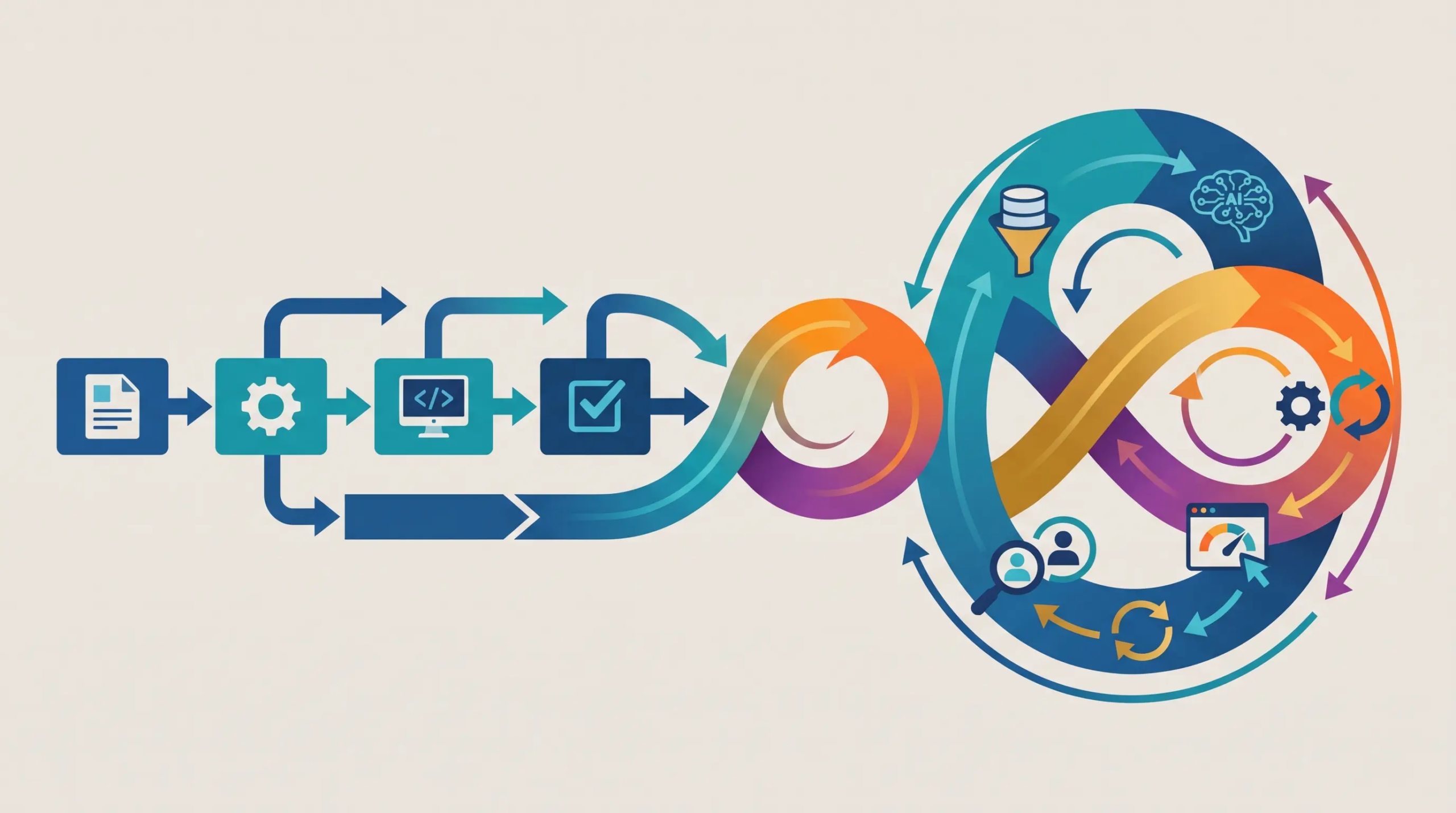

6 Phases to Run a Successful AI Project
saketpratapsinghdm2026-10-25T15:57:35+05:30October 25th, 2026|

How to Transition From Project Manager to PMO Leader
saketpratapsinghdm2026-10-25T14:09:58+05:30October 25th, 2026|

Sustainable AI Starts with Trustworthy AI: A 2026 Guide for Project Managers
saketpratapsinghdm2026-10-24T17:34:12+05:30October 24th, 2026|

Leading Teams Through Change: How Project Managers Can Drive Successful Transformation in 2026
saketpratapsinghdm2026-10-24T16:59:20+05:30October 24th, 2026|

How to Use AI in Project Management: 10 Practical Workflows
saketpratapsinghdm2026-10-24T15:55:17+05:30October 24th, 2026|
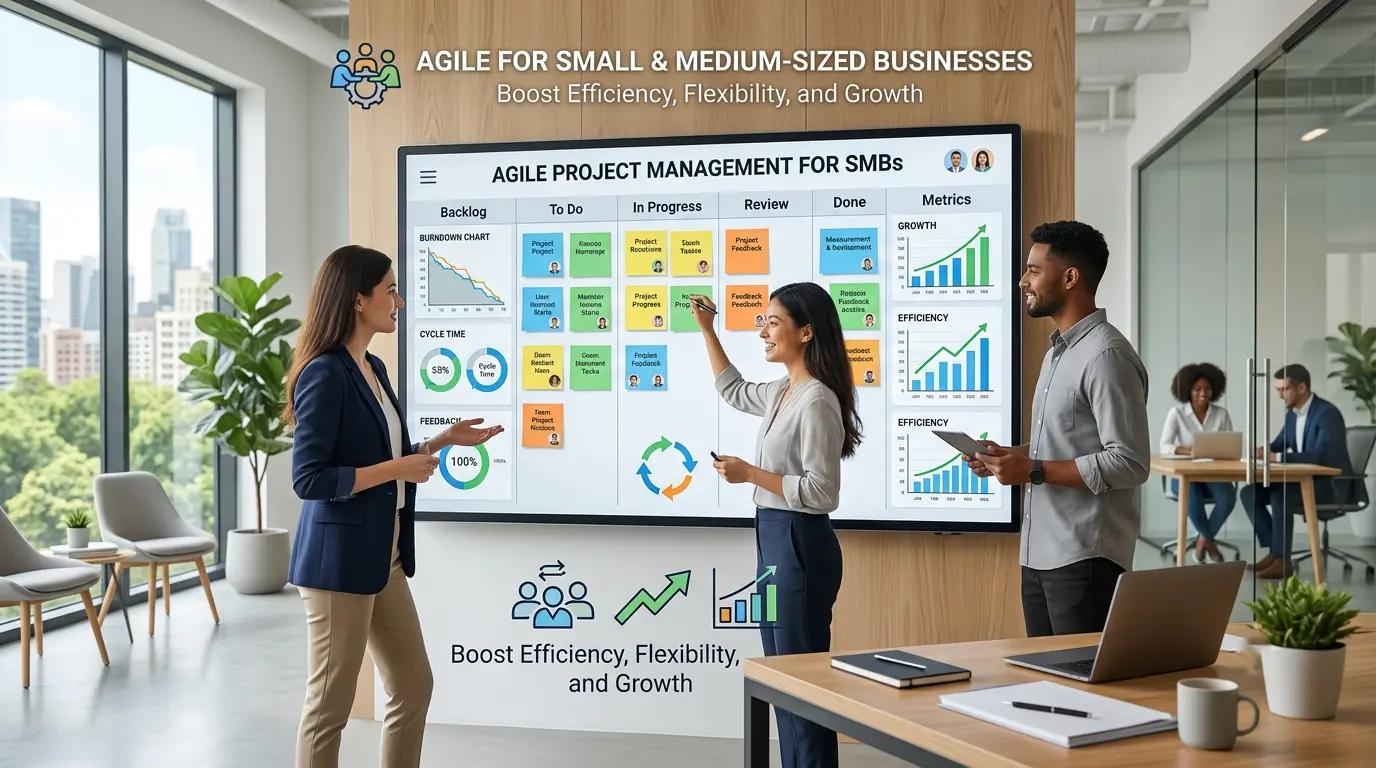
Benefits of Agile Project Management for Small and Medium-Sized Businesses
saketpratapsinghdm2026-09-28T10:12:30+05:30September 28th, 2026|

Work Breakdown Structure (WBS): The Complete PMP Guide, With a Worked Example
saketpratapsinghdm2026-09-21T16:48:15+05:30September 21st, 2026|
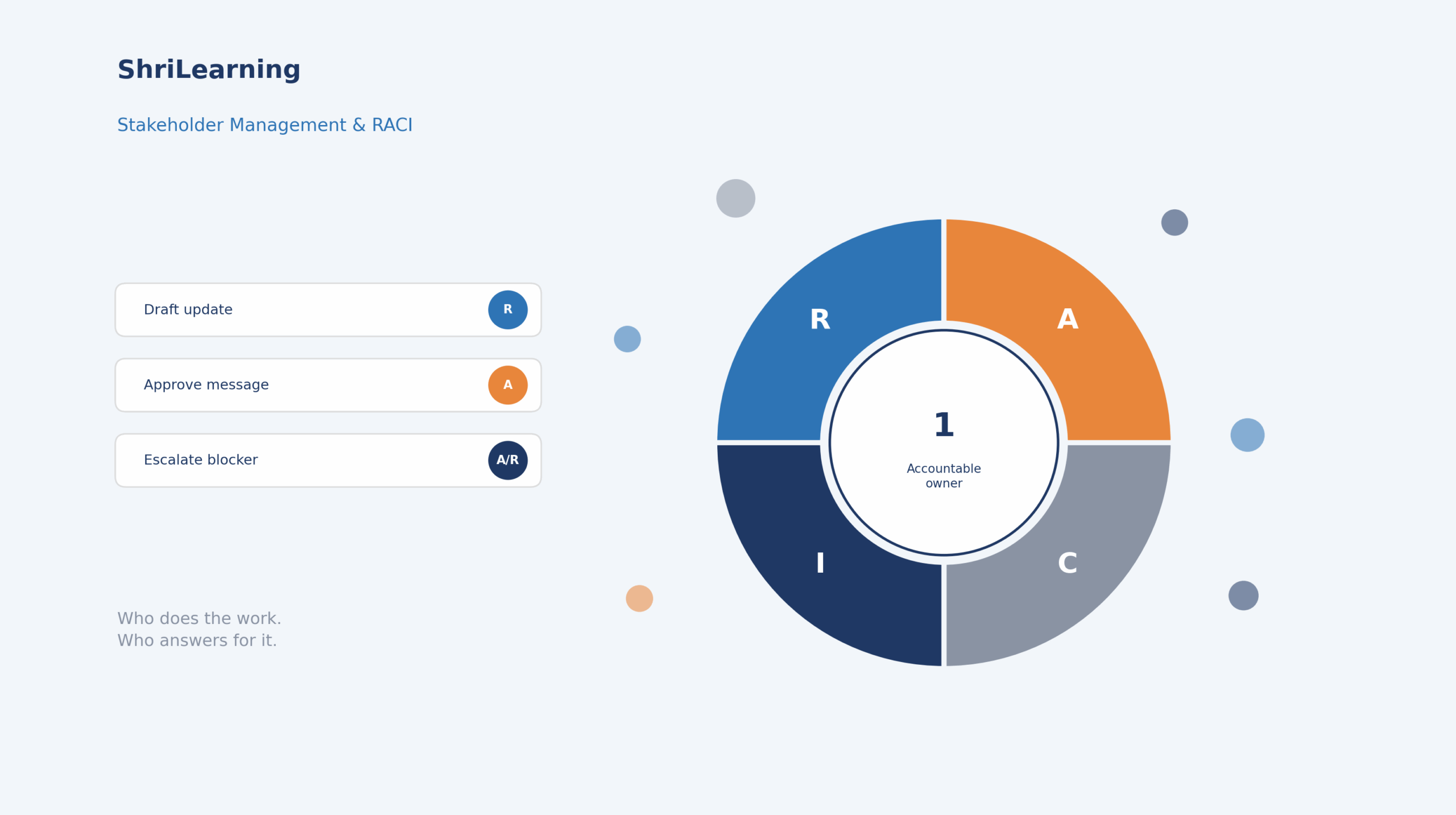
Stakeholder Management and RACI: The Complete PMP Guide (With a Worked Example)
saketpratapsinghdm2026-09-21T15:07:42+05:30September 21st, 2026|