Achieving PMP Certification: A Comprehensive Guide
Achieving PMP Certification: A Comprehensive Guide
Achieving PMP certification is a significant milestone for project management professionals. This credential not only enhances your resume but also boosts your confidence and career prospects. Navigating the process can be complex, and understanding the eligibility requirements is crucial. Based on my experience, this comprehensive guide outlines the PMP eligibility criteria and provides a detailed checklist to help you succeed.
Understanding PMP Certification
The Project Management Professional (PMP) certification is a prestigious credential recognized globally. With over 1,400,000 certified professionals worldwide, it is highly valued by top organizations across various industries. The certification encompasses a broad range of skills essential for effective project management, enhancing your ability to work in diverse sectors.
The Importance of PMP Certification
Achieving PMP certification is a testament to your project management knowledge and skills. It not only improves your resume but also increases your earning potential. According to the Project Management Institute (PMI), PMP-certified professionals earn more than their non-certified counterparts. The certification process is rigorous, ensuring that only qualified individuals receive this credential, making it highly regarded by employers.
PMP Eligibility Requirements
| Educational Level | Project Management Experience | Hours Leading & Directing Projects | Project Management Education |
| Bachelor’s Degree or Global Equivalent | 3 years (36 months) | 4,500 hours | 35 hours |
| Secondary Degree or Global Equivalent | 5 years (60 months) | 7,500 hours | 35 hours |
Educational Requirement for PMP Certification Exam
Completing 35 hours of project management education is a crucial requirement. Enrolling in a PMP certification training course can help you earn these hours and prepare for the exam with expert support.
Acceptable Experiences for PMP Exam Eligibility
Your application should cover the five process groups defined in the PMBOK Guide: initiating, planning, executing, monitoring and controlling, and closing. It’s not necessary for all processes to be from a single project. Acceptable tasks include defining project scope, obtaining project approval, achieving project deliverables within schedule and budget, communicating project status to stakeholders, and obtaining final acceptance of project deliverables.
Gathering the Required Experience
Full-time Project Managers
If you are already working as a project manager, accumulating the required experience hours is straightforward. Continue leading projects and documenting your experience to meet the eligibility criteria.
Part-time Project Managers
For those not in full-time project management roles, collecting the required hours can be slower. Consider the following strategies to speed up the process:
- Changing Your Role: Discuss career development opportunities with your employer to take on more project management responsibilities.
- Changing Your Company: If opportunities are limited in your current role, seek a new position that offers more project management tasks.
- Volunteering: Participate in volunteer projects, especially through your local PMI chapter, to gain experience and expand your network.
Addressing Insufficient PMP Certification Exam Requirements
Educational Deficiency
If you do not meet the educational requirements, pursue additional education through authorized institutions or online courses.
Experience Deficiency
Take on more leadership roles within your organization and participate in various projects to accumulate the required hours.
Education Contact Hours
Enroll in a PMI-approved Project Management Professional preparation course or earn a Certified Associate in Project Management (CAPM) certification to fulfill the educational hours.
Project Management Hours
Actively seek professional development opportunities, workshops, and significant projects to gather necessary experience.
Is PMI Membership Mandatory?
While PMI membership is not mandatory for taking the PMP exam, it offers several benefits:
- Discounted Exam Fee: PMI members receive a significant discount on the PMP exam fee.
- Free PMBOK Guide: Members get a free PDF copy of the PMBOK Guide, a vital exam resource.
- Local Chapter Discounts: Many local PMI chapters offer discounts on PMP exam preparation workshops.
PMP Certification Cost
Understanding the costs associated with PMP certification helps in planning your journey. Costs include project management training, exam fees, and time spent preparing.
Project Management Training cost
| Country/Region | Cost of Classroom Training |
| America, Canada, Australia | $1,500 |
| South America (Brazil, Chile, etc.) | $600 |
| China, India | $500 |
| European Countries | $1,200 |
| Arabian Countries | $2,000 |
Exam Preparation Time
Balancing study with professional responsibilities is crucial. Online self-paced courses can help manage time effectively.
PMP Exam Fee
After completing 35 hours of project management education, schedule your exam at a Prometric test center. Becoming a PMI member reduces the exam fee and provides additional resources.
Conclusion
Achieving PMP certification is a valuable investment in your project management career. By understanding the eligibility requirements and following this comprehensive guide, you can navigate the process with confidence. Focused preparation and practical experience are key to success. Engage with experienced PMP holders for guidance and stay updated with PMI’s official resources to ensure you meet the criteria. Best of luck on your PMP journey!
More for you

How to Use AI in Project Management: 10 Practical Workflows
saketpratapsinghdm2026-10-24T15:48:41+05:30October 24th, 2026|
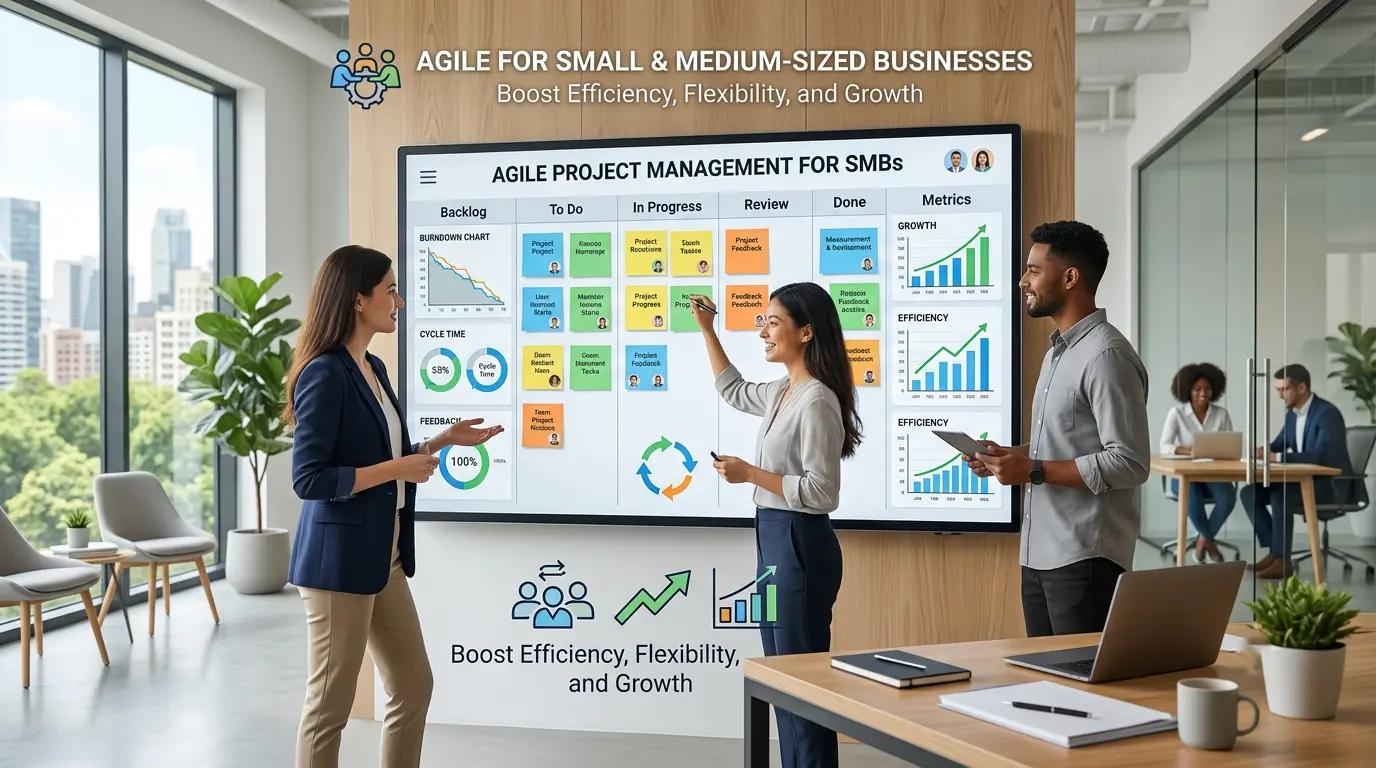
Benefits of Agile Project Management for Small and Medium-Sized Businesses
saketpratapsinghdm2026-09-28T10:12:30+05:30September 28th, 2026|

Work Breakdown Structure (WBS): The Complete PMP Guide, With a Worked Example
saketpratapsinghdm2026-09-21T16:48:15+05:30September 21st, 2026|
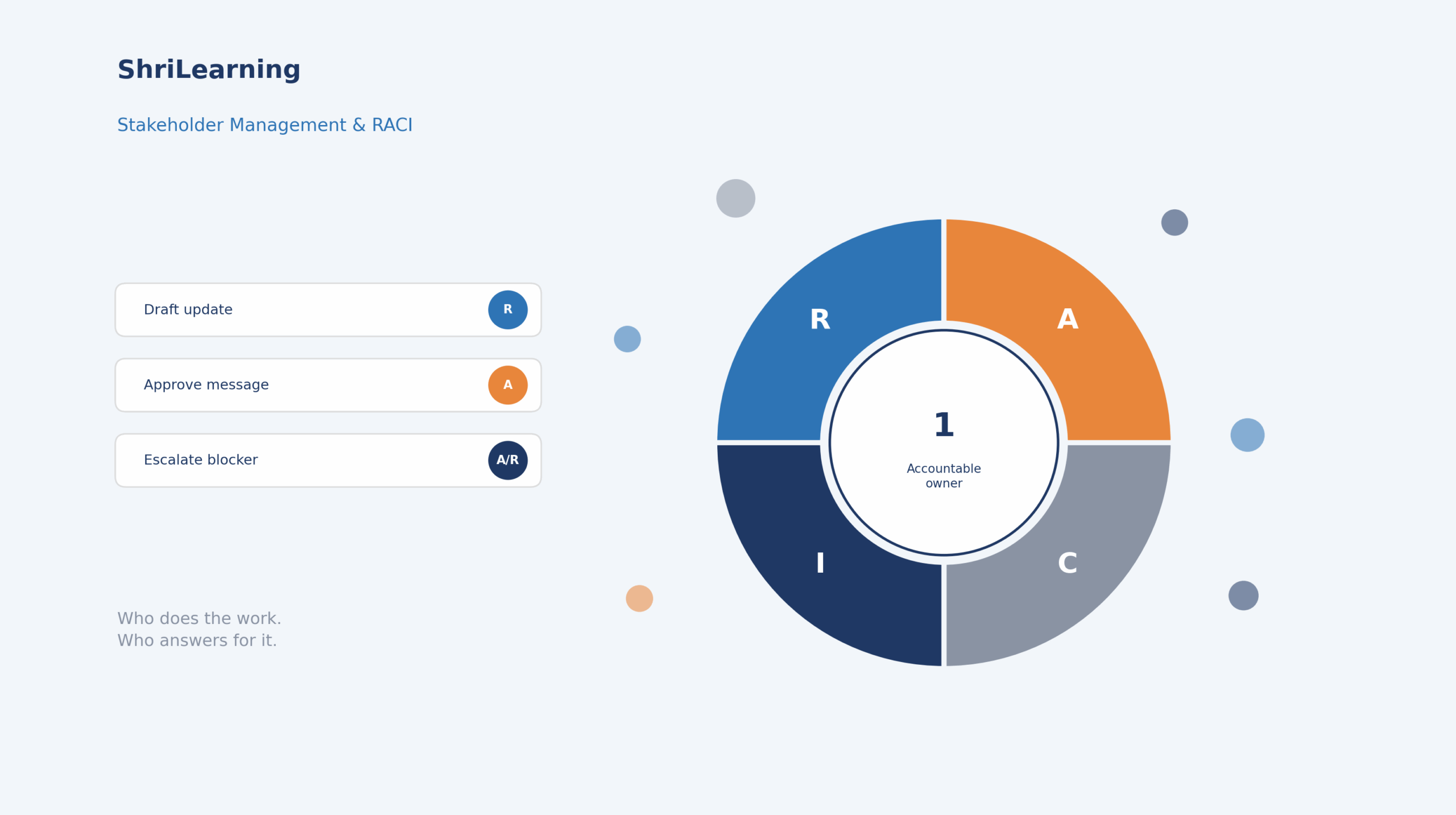
Stakeholder Management and RACI: The Complete PMP Guide (With a Worked Example)
saketpratapsinghdm2026-09-21T15:07:42+05:30September 21st, 2026|
How to Write a Problem Statement (With a PMP-Ready Template and Examples)
saketpratapsinghdm2026-09-21T14:42:27+05:30September 21st, 2026|

Earned Value Management: How to Actually Read CPI and SPI (Not Just Calculate Them)
saketpratapsinghdm2026-09-17T15:32:44+05:30September 17th, 2026|

Agile Practice Guide – Second Edition: What Changed, and What It Means for Your PMI-ACP Prep
saketpratapsinghdm2026-09-17T14:45:53+05:30September 17th, 2026|

Why the PMP People Domain Dropped to 33% (And How to Master It in 2026)
saketpratapsinghdm2026-08-27T21:18:31+05:30August 27th, 2026|