How to Run a Better Status Meeting
How to Run a Better Status Meeting
If the thought of your next status meeting makes you sigh, you’re not alone. Poorly-run status meetings often feel like time sinks that generate more frustration than results. But done right, these meetings can be the backbone of effective project management, driving alignment, accountability, and action.
This guide will show you how to conduct productive status meetings using principles rooted in project management best practices, including those you’ll learn in a PMP certification program. Along the way, you’ll discover actionable advice, tools, and examples designed to transform your meetings into efficiency powerhouses.
Whether you’re a seasoned project manager or seeking PMP training for career growth, this post is tailored for you.
What Are Status Meetings and Why Do They Matter?
Status meetings are regular check-ins between project team members to discuss project progress, challenges, and next steps. The goal? To align the team, ensure accountability, and address issues before they escalate.
For project managers, especially those trained through PMP certification, these meetings are essential to keep stakeholders informed, manage risks effectively, and maintain project milestones.
Why Status Meetings Are More Than Just Updates
A well-run status meeting is an opportunity to foster teamwork, identify potential bottlenecks, and keep stakeholders engaged. By adhering to project management principles—like time management, actionable follow-ups, and stakeholder engagement—you can ensure these meetings serve their intended purpose rather than becoming just another calendar block.
Want to manage your projects efficiently while leading your team successfully? Consider how the PMP course syllabus emphasizes communication strategies designed for meetings just like these.
Links to try later:
- How PMP Certification Can Help You Manage Projects More Effectively
- Top Qualities of the Best Project Managers
Common Issues with Status Meetings
Before we explore best practices, it’s worth addressing common pitfalls that can derail your meetings. Many of these stem from poor preparation or unclear objectives.
Common Problems
- Lack of a Clear Agenda
Aimless discussions often result from an undefined agenda, leading to wasted time and frustration.
- Too Long or Too Frequent
Prolonged meetings with unnecessary frequency can feel burdensome and reduce team productivity.
- Failure to Address Key Issues
When recurring roadblocks are ignored, the team may lose faith in the meeting’s effectiveness.
- Limited Participation
Dominating voices can stifle contributions from others, limiting the diversity of ideas.
Relevance to PMP Practices
The PMP certification emphasizes structured communication and issue resolution as pivotal project management competencies. Addressing these status meeting inefficiencies aligns directly with PMP’s foundations.
Curious about PMP’s emphasis on communication? Read this next:
- [What is the Project Management Institute (PMI) and How It Benefits You?](#)
Best Practices for Running Efficient Status Meetings
The key to efficient meetings is preparation, execution, and follow-up. Here’s how to make every status meeting count.
1. Set a Clear Agenda
Define the meeting’s purpose and share an agenda in advance. Outline key discussion points, such as progress updates, issue resolution, and next steps. This ensures everyone comes prepared.
2. Timebox the Meeting
Respect your team’s schedules by sticking to a predefined duration (e.g., 15–30 minutes). Use tools like timers or agendas with set time limits to stay on track.
3. Focus on Progress and Action Items
Rather than just discussing what’s been done, focus on what needs to be resolved and who’s responsible for it. Use action items to bring clarity and accountability.
4. Use Visual Aids or Dashboards
Visualizing progress with tools like Gantt charts, burndown charts, or Kanban boards can enhance comprehension.
5. Foster Team Collaboration
Encourage inclusive participation by seeking input from all team members. Use techniques like round-robin updates to ensure balanced involvement.
6. Follow PMP Methodologies
Integrate PMP principles, such as critical path analysis and risk assessment, into your meetings to ensure a structured discussion.
Building these habits requires practice and consistency. For deeper insights, explore the foundations of PMP training here: How PMP Certification Can Help You Secure a Job in Project Management
Tools and Technologies for Streamlining Status Meetings
Technology can take your status meetings to the next level, providing structure, analysis, and collaboration.
Recommended Tools
Ideal for project tracking and setting action items during meetings.
For real-time updates and asynchronous check-ins to complement live meetings.
- Zoom or Google Meet
Perfect for remote status meetings, ensuring seamless video conferencing.
-
Miro or Lucidchart
Use these tools to create visual roadmaps for project status updates.
Helps manage timelines, tasks, and team accountability all in one platform.
Bonus: Discover how AI tools like those in our “Top Eight AI Tools That Every Project Manager Has To Know” article can further improve status meeting productivity.
Real-World Examples of Successful Status Meetings
Case studies always resonate. Here are two examples of how proper meeting management made a difference.
Case Study 1: From Chaotic to Coordinated
An e-commerce company had overlapping tasks with no proper tracking. By implementing project tracking software and sharing defined agendas before meetings, their project status meetings went from chaotic to well-coordinated. Teams reported reducing redundant discussions by 40%.
Case Study 2: Leveraging PMP Methodologies
A construction firm improved stakeholder trust by integrating PMP frameworks (like RACI matrices) into their status updates, ensuring clear delegation of responsibilities. The refined meeting process led to on-schedule project delivery.
Want to achieve similar results? Consider how PMP certification costs pale in comparison to the value they bring: PMP Certification Cost Breakdown.
Transform Your Status Meetings Today
Effective status meetings are foundational to successful project management. By setting clear objectives, leveraging PMP best practices, and incorporating the right tools, you can turn ordinary meetings into powerful drivers of alignment and action.
If you’re passionate about improving team communication and boosting project outcomes, take the next step by exploring PMP certification at ShriLearning. Learn how industry-recognized methodologies can take your skills to new heights.
Your first project is calling—will you answer? Join the ShriLearning Community Connect with fellow PMP aspirants and expert instructors. Crete your study plan for free from ShriLearning study-plan-generator.
More for you
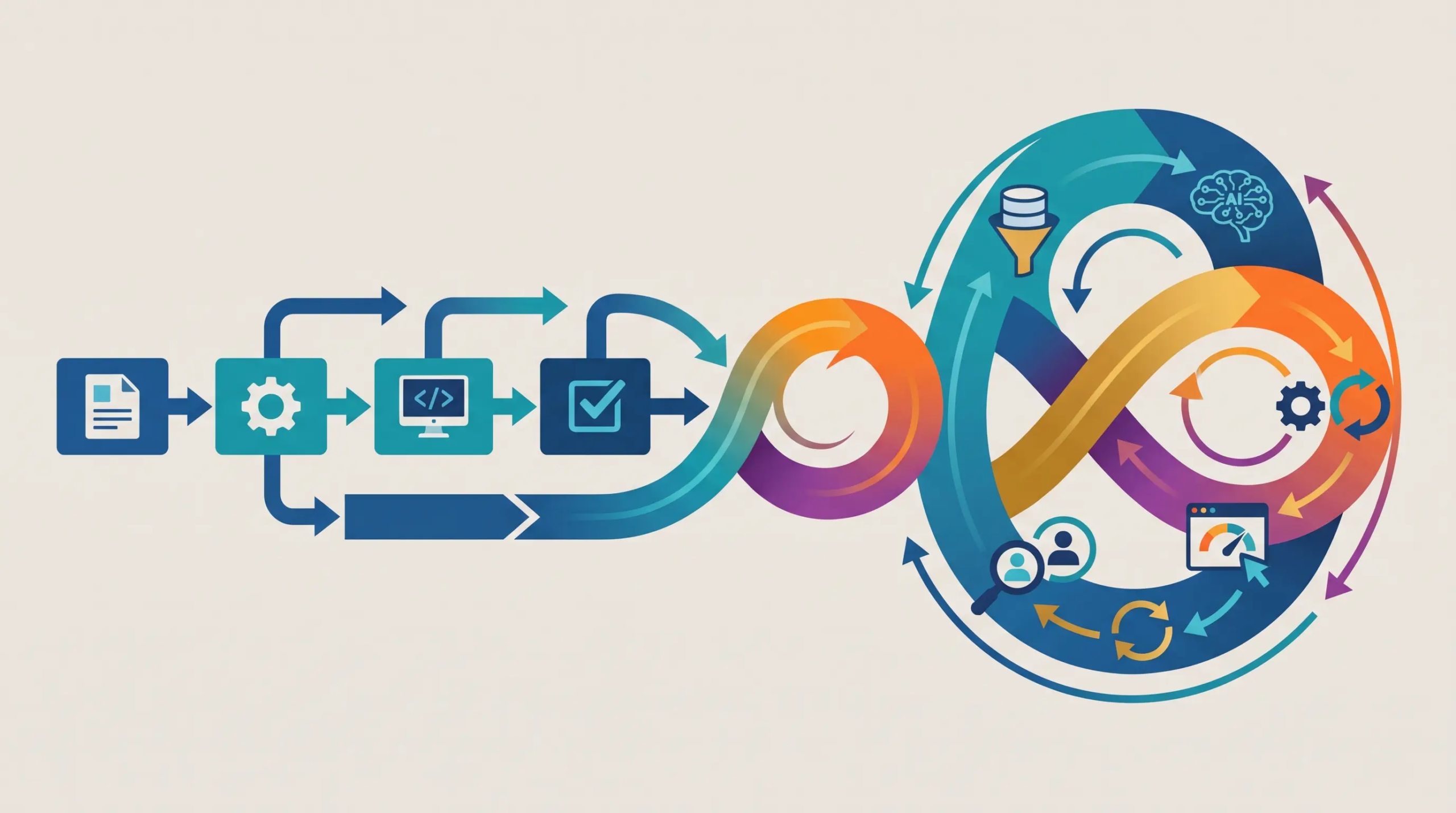
6 Phases to Run a Successful AI Project
saketpratapsinghdm2026-10-25T15:57:35+05:30October 25th, 2026|

How to Transition From Project Manager to PMO Leader
saketpratapsinghdm2026-10-25T14:09:58+05:30October 25th, 2026|

Sustainable AI Starts with Trustworthy AI: A 2026 Guide for Project Managers
saketpratapsinghdm2026-10-24T17:34:12+05:30October 24th, 2026|

Leading Teams Through Change: How Project Managers Can Drive Successful Transformation in 2026
saketpratapsinghdm2026-10-24T16:59:20+05:30October 24th, 2026|
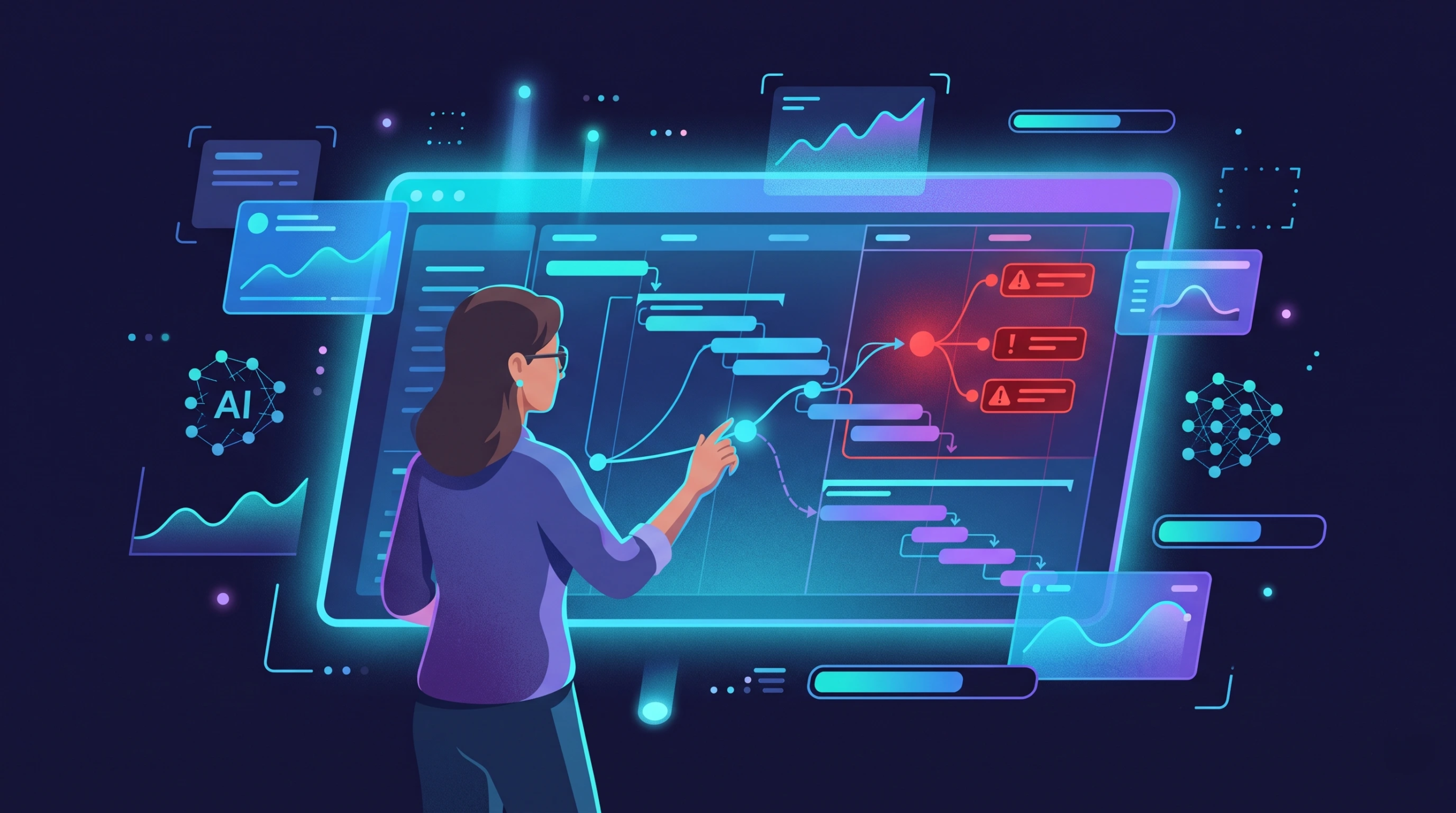
How to Use AI in Project Management: 10 Practical Workflows
saketpratapsinghdm2026-10-24T15:55:17+05:30October 24th, 2026|
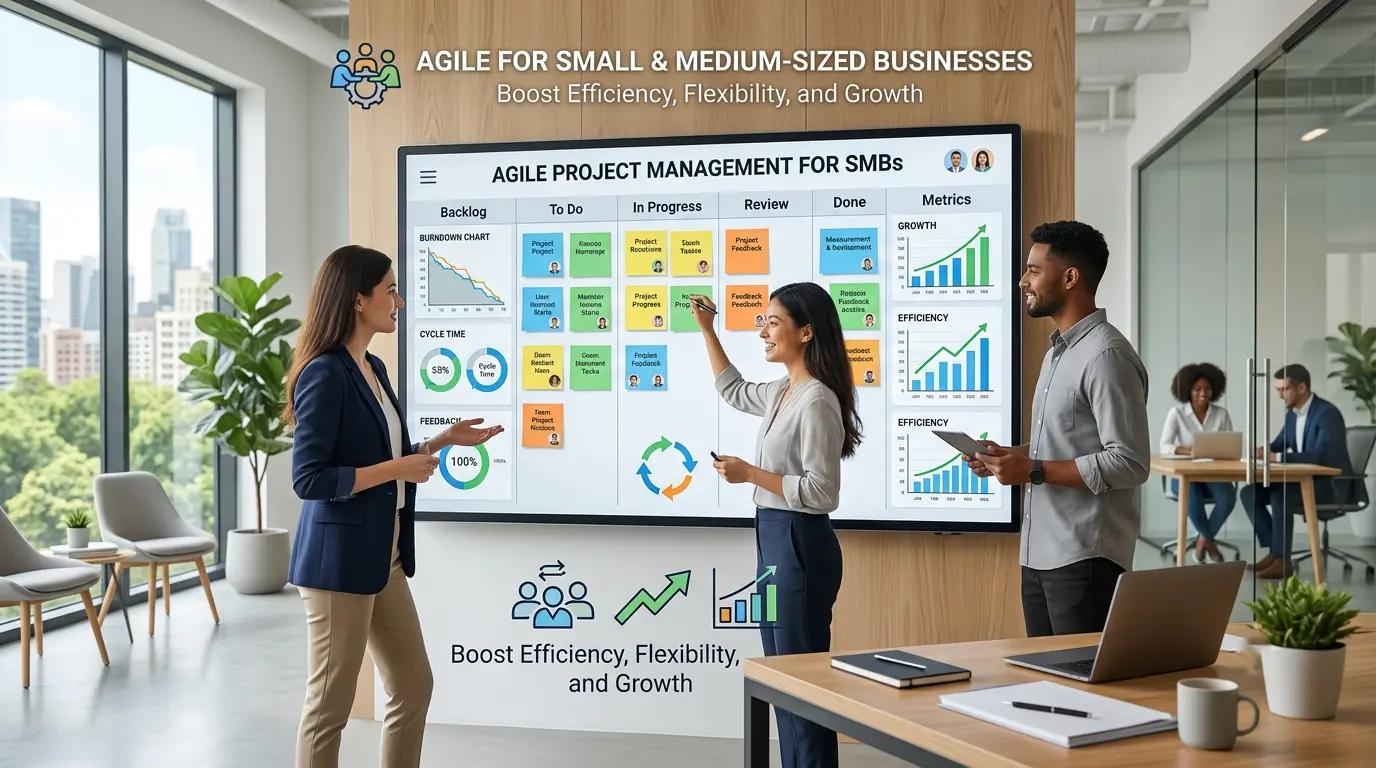
Benefits of Agile Project Management for Small and Medium-Sized Businesses
saketpratapsinghdm2026-09-28T10:12:30+05:30September 28th, 2026|

Work Breakdown Structure (WBS): The Complete PMP Guide, With a Worked Example
saketpratapsinghdm2026-09-21T16:48:15+05:30September 21st, 2026|
Stakeholder Management and RACI: The Complete PMP Guide (With a Worked Example)
saketpratapsinghdm2026-09-21T15:07:42+05:30September 21st, 2026|