5 Ways to Manage Risk and Maximize Rewards
5 Ways to Manage Risk and Maximize Rewards
Managing risks is something every project manager must master to ensure success. Whether it’s unforeseen delays, resource constraints, or market uncertainties, risks can derail even the best-laid plans. At the same time, carefully managing these risks can pave the way for greater rewards, such as smoother workflows, successful project outcomes, and a boost in stakeholder confidence.
This blog will walk you through five proven strategies to manage risks effectively and maximize rewards in your projects. By the end, you’ll have actionable tips to strengthen your project management skills and take a step closer to becoming a certified expert.
Understanding Risk in Project Management
Before we jump into strategies, let’s understand what “risk” means in project management.
What is Risk in Project Management?
Risk refers to any uncertainty that could positively or negatively impact a project. Risks aren’t always bad—they can present opportunities for improvement or innovation. However, unmanaged risks could result in project delays, budget overruns, or failure to achieve project goals.
Common Types of Risks
- Scheduling Risks: Delays in task completion, affecting project timelines.
- Budgetary Risks: Overspending due to unforeseen expenses.
- Operational Risks: Issues stemming from team miscommunication or process flaws.
- External Risks: Market fluctuations, regulatory changes, or external stakeholders.
By identifying risks early, project managers can take proactive steps to address them.
For more insights on this topic, check out our blog, What Are the Project Management’s Critical Success Factors (CSF)?.
Strategy 1: Thorough Project Planning
The foundation of risk management lies in detailed project planning.
Why is Planning Crucial?
Effective planning helps identify potential risks before they escalate. This proactive approach minimizes disruptions and ensures smoother project execution.
Techniques for Risk Identification
- SWOT Analysis (Strengths, Weaknesses, Opportunities, and Threats): Understand your project’s vulnerabilities and opportunities.
- Risk Breakdown Structure (RBS): Categorize risks based on project stages, such as financial or technical.
- Stakeholder Workshops: Engage stakeholders in discussions to identify risks based on their expertise.
Integrating Risk Management into Plans
Risk shouldn’t sit on the sidelines—it should be an integral part of your project plan. Include a risk register, clearly assign accountability for managing risks, and outline risk mitigation steps.
Strategy 2: Building a Strong Project Team
Behind every great project is a strong project team.
Building the Link Between Teams and Risk Management
Good teams foster collaboration, problem-solving, and resilience—key to managing risks effectively. Misaligned or disengaged teams, however, can magnify risks.
Tips for Building Strong Teams
- Role Clarity: Define roles to ensure accountability for risks.
- Foster Collaboration: Open communication helps team members spot risks early.
- Upskilling: Train your team in risk management through certifications like PMP.
Strategy 3: Continuous Risk Monitoring
Risks evolve, and so should your response strategies.
Importance of Ongoing Risk Tracking
Even the best-laid plans will encounter unexpected hurdles. Monitoring risks throughout the project ensures you stay ahead of potential roadblocks.
Tools for Risk Monitoring
- Gantt Charts for tracking deadlines and identifying at-risk tasks.
- Kanban Boards for real-time workflow visualization.
- Risk Dashboards in tools like MS Project, Jira, or Trello.
Real-Time Adaptation
Risk monitoring isn’t just about tracking; it’s about action. Update contingency plans regularly, and communicate transparently with stakeholders when significant risks arise.
Strategy 4: Flexible Execution and Contingency Planning
No matter how well you plan, flexibility is essential when unforeseen risks arise.
The Power of Flexibility in Risk Management
Rigidity can break a project when the unexpected occurs. Being able to adapt and pivot ensures progress continues, even if challenges arise.
Developing Contingency Plans
Identify high-impact risks and create backup plans to mitigate those risks. For example, if a key supplier fails to deliver, have alternative vendors on standby.
Change Management Practices
Implement robust change management strategies to adapt smoothly to new circumstances, minimizing the impact of risks that arise mid-project.
Strategy 5: Post-Project Evaluation and Learning
The end of a project is just the beginning of continuous improvement.
Why Post-Project Analysis Matters
While most teams rush to close out projects, taking time to evaluate strengths, weaknesses, and risks encountered can improve future projects.
Evaluating Risk Management Effectiveness
Use tools like risk audit forms and stakeholder surveys to analyze whether mitigation strategies worked.
Incorporating Lessons Learned
Create a knowledge repository, like a “Lessons Learned Document,” accessible to all team members. This ensures new projects benefit from previous experiences.
Gain Confidence with Risk Management and PMP Certification
Mastering risk management is key to thriving in project management, and the five strategies above can be your guide. It boils down to staying proactive—planning thoroughly, building collaborative teams, monitoring continuously, staying flexible, and learning from every project.
If you’re ready to take your skills to the next level, consider pursuing a PMP certification with ShriLearning Institute. With PMP training, you’ll gain deep insights into these principles and prepare to lead with confidence. Explore PMP courses today!
If you’re passionate about improving team communication and boosting project outcomes, take the next step by exploring PMP certification at ShriLearning. Learn how industry-recognized methodologies can take your skills to new heights.
Your first project is calling—will you answer? Join the ShriLearning Community Connect with fellow PMP aspirants and expert instructors. Crete your study plan for free from ShriLearning study-plan-generator.
More for you
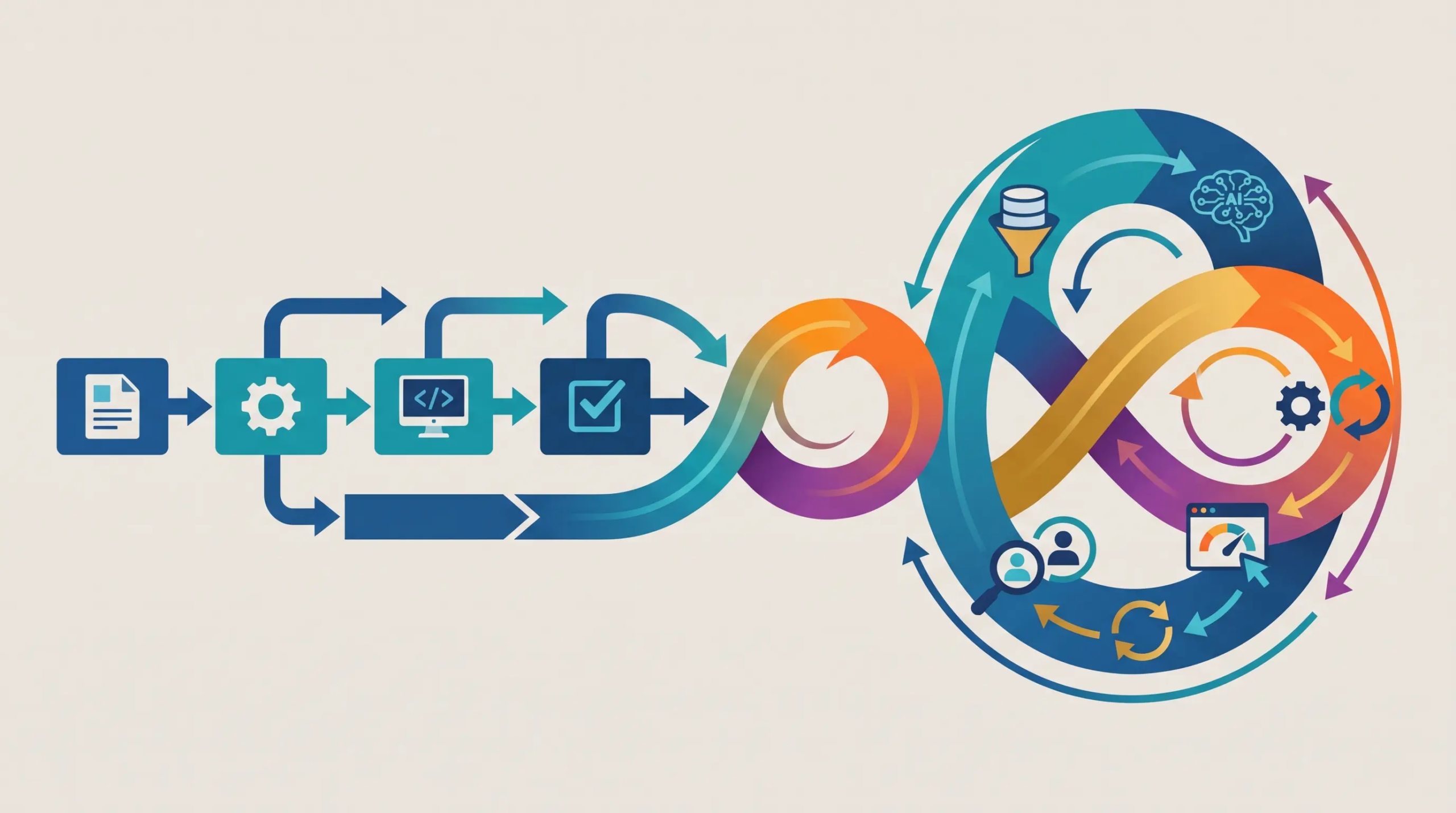
6 Phases to Run a Successful AI Project
saketpratapsinghdm2026-10-25T15:57:35+05:30October 25th, 2026|

How to Transition From Project Manager to PMO Leader
saketpratapsinghdm2026-10-25T14:09:58+05:30October 25th, 2026|

Sustainable AI Starts with Trustworthy AI: A 2026 Guide for Project Managers
saketpratapsinghdm2026-10-24T17:34:12+05:30October 24th, 2026|

Leading Teams Through Change: How Project Managers Can Drive Successful Transformation in 2026
saketpratapsinghdm2026-10-24T16:59:20+05:30October 24th, 2026|
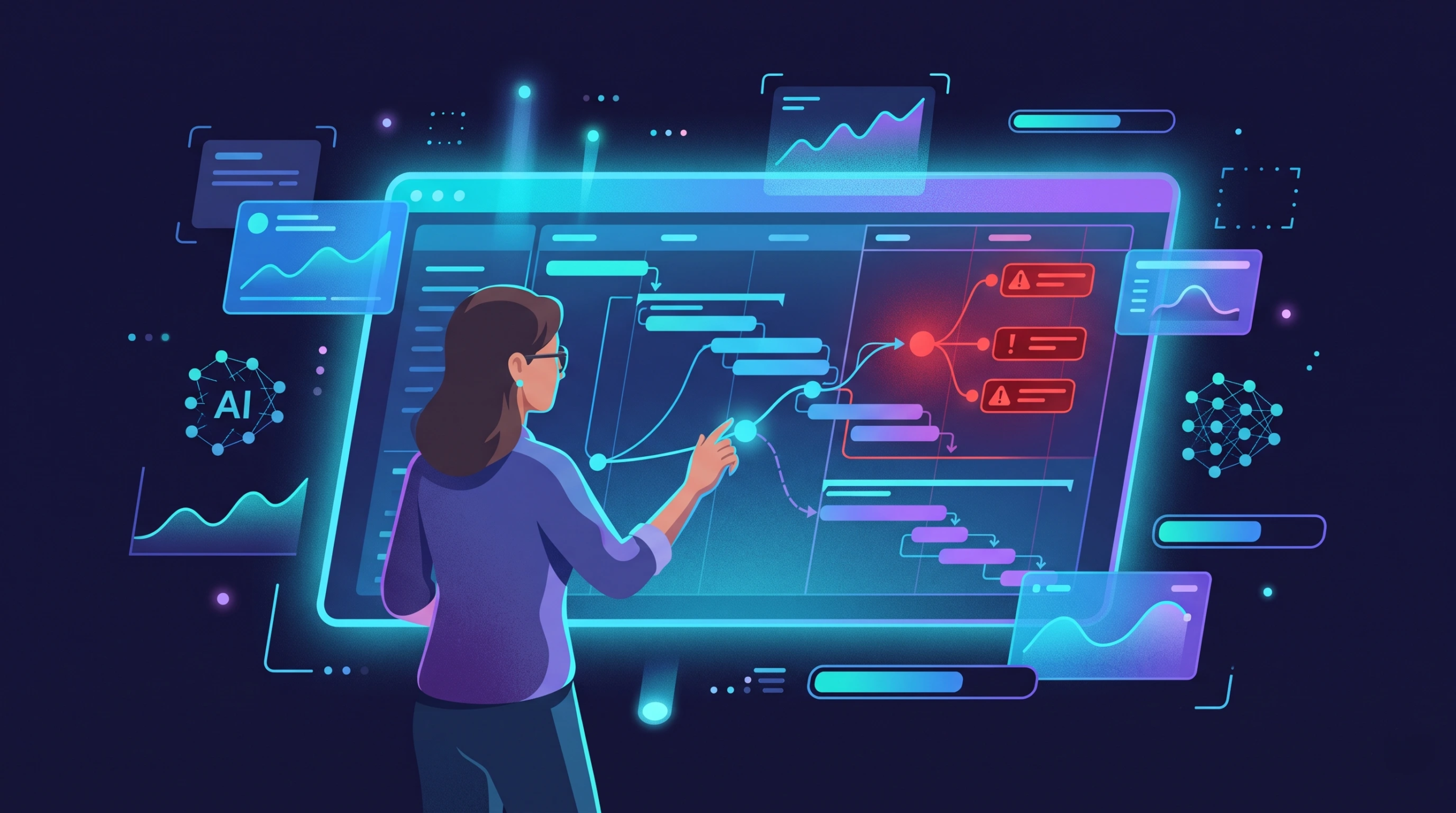
How to Use AI in Project Management: 10 Practical Workflows
saketpratapsinghdm2026-10-24T15:55:17+05:30October 24th, 2026|
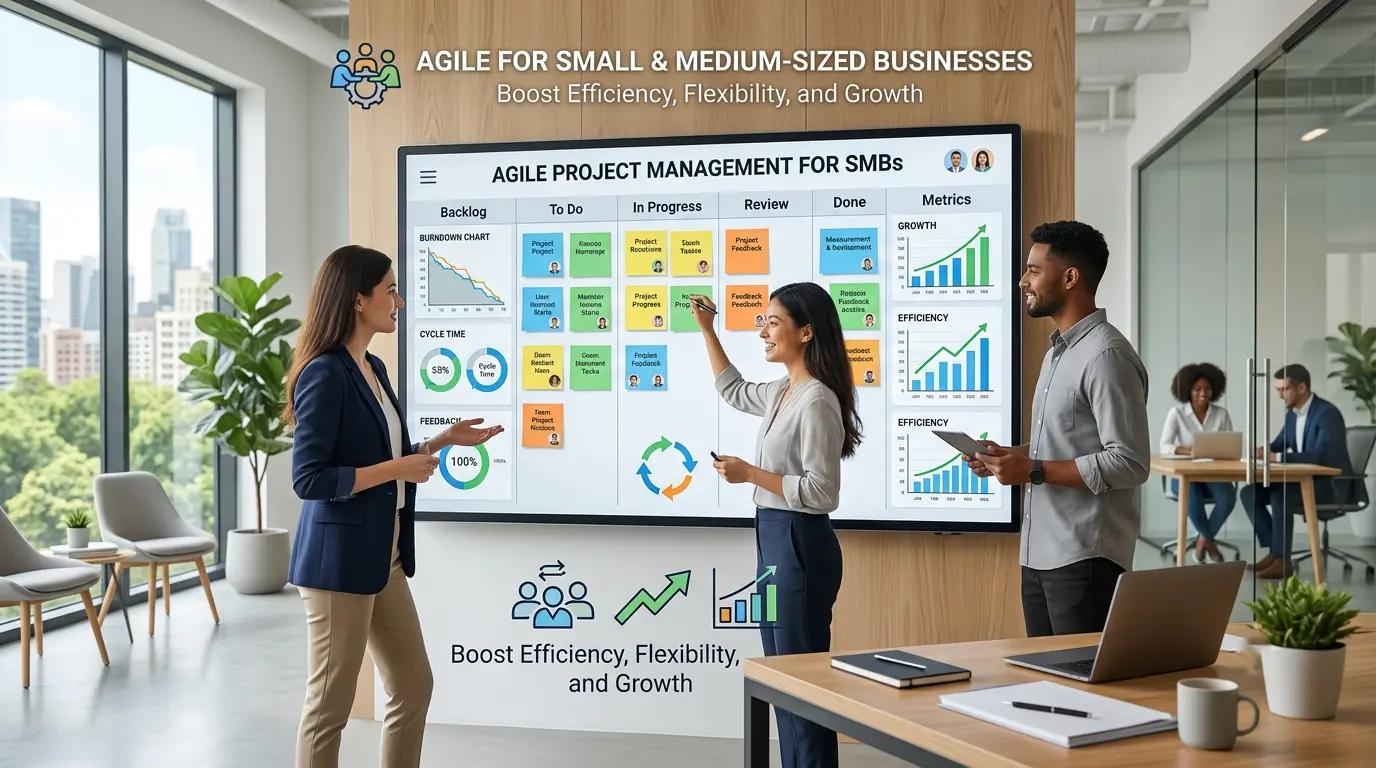
Benefits of Agile Project Management for Small and Medium-Sized Businesses
saketpratapsinghdm2026-09-28T10:12:30+05:30September 28th, 2026|

Work Breakdown Structure (WBS): The Complete PMP Guide, With a Worked Example
saketpratapsinghdm2026-09-21T16:48:15+05:30September 21st, 2026|
Stakeholder Management and RACI: The Complete PMP Guide (With a Worked Example)
saketpratapsinghdm2026-09-21T15:07:42+05:30September 21st, 2026|