Why Do Projects Fail? Avoid These 5 Common Mistakes
Why Do Projects Fail? Avoid These 5 Common Mistakes
Projects are the backbone of growth across industries, but the unfortunate reality is that many fail. According to research by PMI (Project Management Institute), a surprising 11.4% of all project investments go to waste due to poor project performance. This highlights an important question for project managers, PMP aspirants, and business professionals alike—why do projects fail, and how can we avoid these pitfalls?
This blog explores the five most common reasons for project failure and provides actionable insights to help you avoid them. By understanding these challenges, you’ll be equipped to enhance your project management skills and deliver results that exceed expectations.
Risk vs. Issue in Project Management
Before we discuss the key mistakes, it’s important to distinguish between risks and issues in project management.
- A risk is something that might happen. It’s a potential problem you can plan for.
- An issue, on the other hand, has already occurred. It requires immediate attention and intervention.
Effective project management involves proactively managing risks so they don’t escalate into issues. This is where tools like a risk register, risk audits, and contingency plans become invaluable.
If you’re new to managing risks, check out our guide on 5 Ways to Manage Risk and Maximize Rewards.
Why Projects Fail (And How to Save Them)
1. Scope Creep in Project Management
The Issue
One of the most common reasons for failure is scope creep, which happens when a project’s objectives expand beyond their initial goals. This can lead to missed deadlines, exceeded budgets, and frustrated team members.
How to Avoid It
- Set clear boundaries with a well-documented project scope.
- Use tools like change requests and conduct regular scope reviews to ensure any changes are deliberate and aligned with overall project goals.
- Implement a scope management plan, so you’re prepared to say “no” when necessary.
2. Poor Communication
The Issue
Whether it’s failure to share critical updates or unclear team responsibilities, lack of communication can derail even the most promising projects.
How to Avoid It
- Roll out a communication management plan at the outset of every project.
- Conduct daily standups or status meetings to ensure your team stays aligned.
- Use project management tools like Slack, Microsoft Teams, or Jira to improve transparency.
For more tips on communicating effectively, read our blog on How to Run a Better Status Meeting.
3. Unrealistic Timelines and Goals
The Issue
Pressure to deliver quickly often leads to over-promising and under-delivering. Setting ambitious—but unrealistic—timelines can create stress, burnout, and ultimately result in failure.
How to Avoid It
- Use techniques like critical path analysis and EAC (Estimate at Completion) to set achievable timelines.
- Get buy-in from all stakeholders before finalizing deadlines or milestones.
- Build some buffer time into your project plan to account for unforeseen delays.
Curious about EAC? Read our tutorial on The Use of EAC (Estimate at Completion) in Project Tracking.
4. Ineffective Risk Management
The Issue
Every project comes with risks. However, failing to identify and mitigate them is a fast track to failure.
How to Avoid It
- Conduct a risk assessment during the initiation phase and update it throughout the project lifecycle.
- Use tools like Monte Carlo analysis to anticipate potential delays and outcomes.
- Assign a dedicated risk manager to keep risks top of mind.
Explore more in our blog discussing the Trends of Risk Management You Need to Follow in 2025.
5. Lack of Stakeholder Buy-in
The Issue
Stakeholders who aren’t engaged or invested in your success can slow down decision-making and deprioritize the project altogether.
How to Avoid It
- Build strong relationships with key stakeholders by involving them early in the planning process.
- Use stakeholder engagement matrices to understand their influence and interest levels.
- Regularly update stakeholders with project status reports to maintain transparency and trust.
Learning from Failure
Not all project failure is bad—it’s often a learning opportunity for project managers and organizations. The key is to analyze root causes and adapt your approach to prevent repeat mistakes.
If you’re preparing for the PMP exam, brushing up on concepts like scope management, risk control, and stakeholder engagement will equip you with practical, real-world tools for ensuring project success. Check out our comprehensive Complete Guide to PMP Course Syllabus to understand the key learnings you’ll gain from PMP certification.
Explore Related Blogs:
- 5 Ways to Manage Risk and Maximize Rewards
- Mastering Collaboration Within a Team
- How PMP Certification Can Help You Manage Projects More Effectively
Your first project is calling—will you answer? Join the ShriLearning Community Connect with fellow PMP aspirants and expert instructors. Crete your study plan for free from ShriLearning study-plan-generator.
More for you
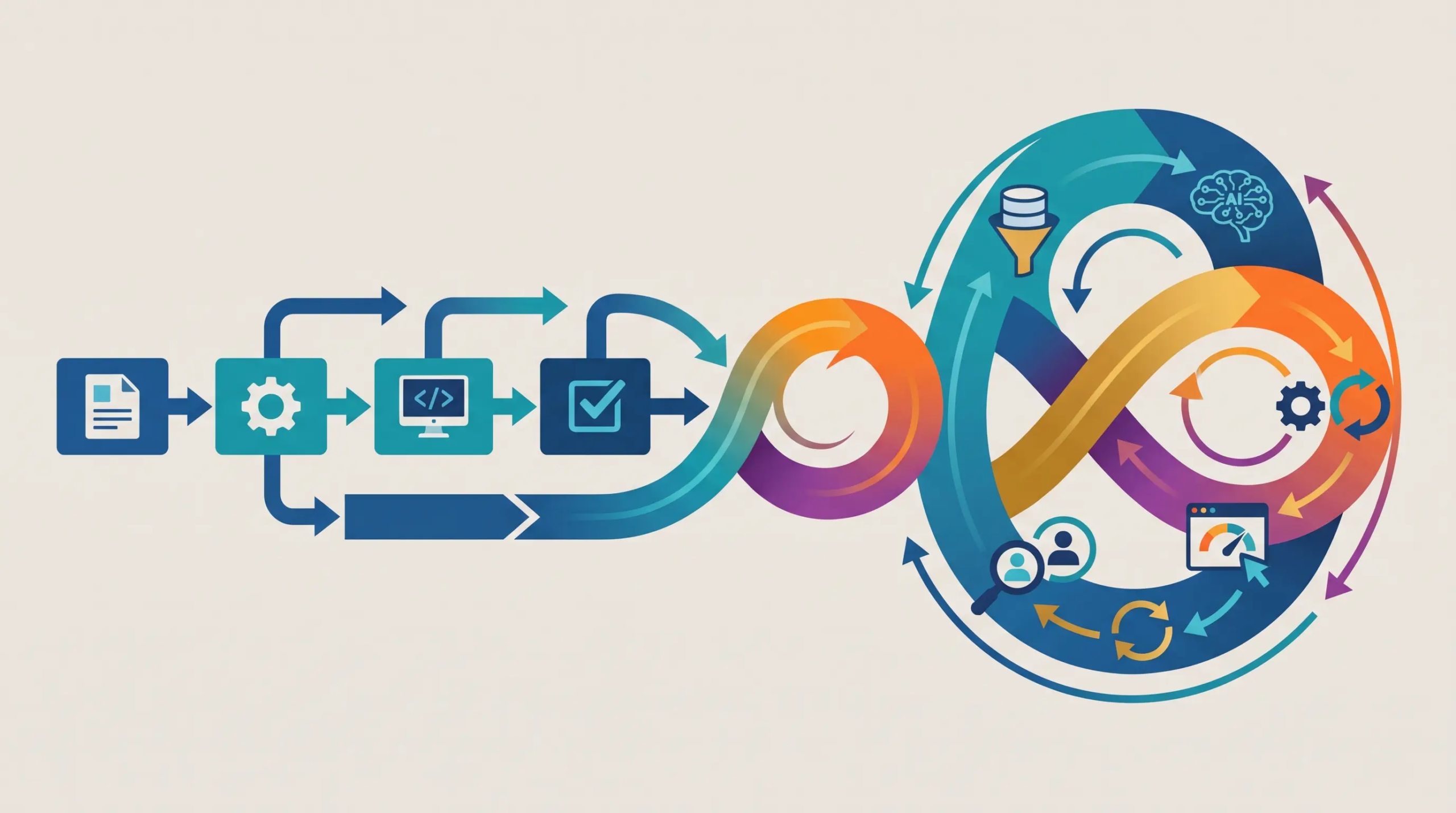

6 Phases to Run a Successful AI Project
saketpratapsinghdm2026-10-25T15:57:35+05:30October 25th, 2026|

How to Transition From Project Manager to PMO Leader
saketpratapsinghdm2026-10-25T14:09:58+05:30October 25th, 2026|

Sustainable AI Starts with Trustworthy AI: A 2026 Guide for Project Managers
saketpratapsinghdm2026-10-24T17:34:12+05:30October 24th, 2026|

Leading Teams Through Change: How Project Managers Can Drive Successful Transformation in 2026
saketpratapsinghdm2026-10-24T16:59:20+05:30October 24th, 2026|

How to Use AI in Project Management: 10 Practical Workflows
saketpratapsinghdm2026-10-24T15:55:17+05:30October 24th, 2026|
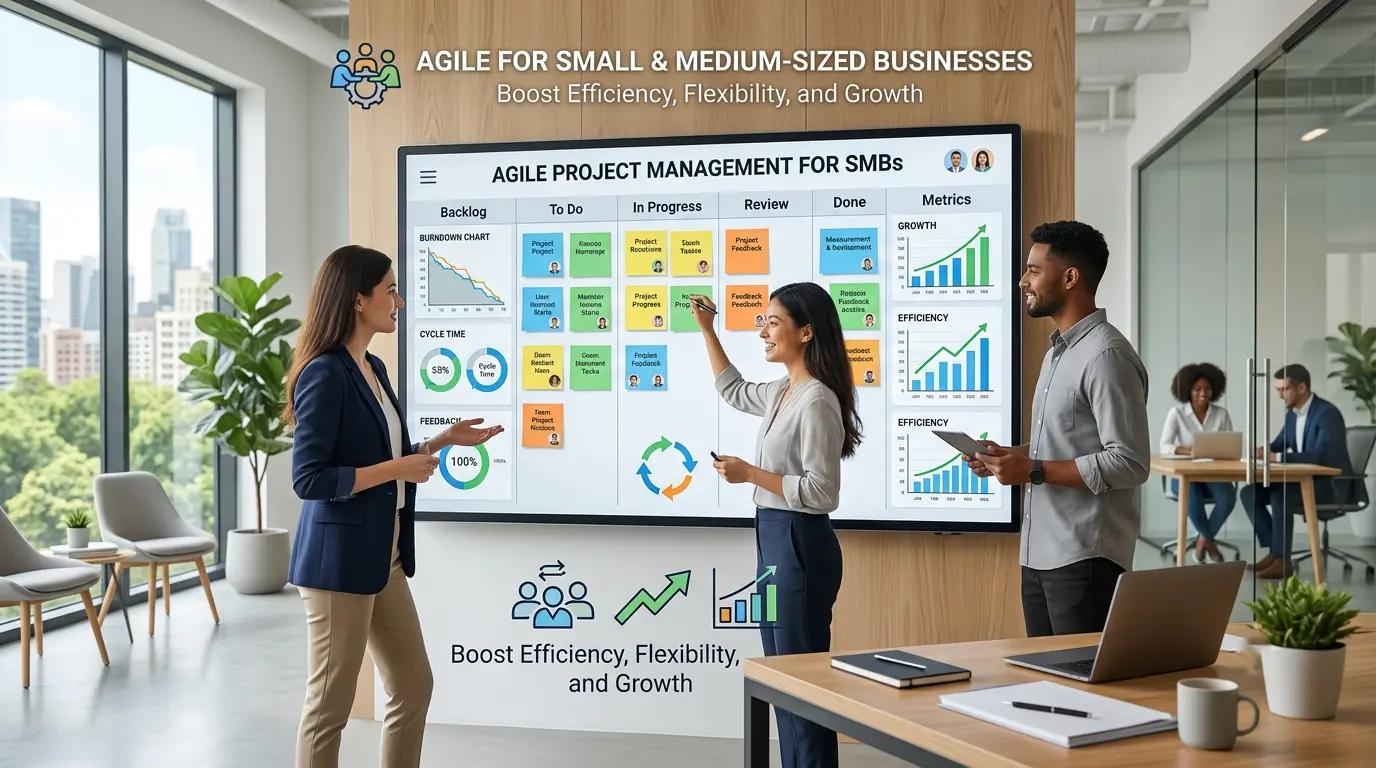
Benefits of Agile Project Management for Small and Medium-Sized Businesses
saketpratapsinghdm2026-09-28T10:12:30+05:30September 28th, 2026|

Work Breakdown Structure (WBS): The Complete PMP Guide, With a Worked Example
saketpratapsinghdm2026-09-21T16:48:15+05:30September 21st, 2026|
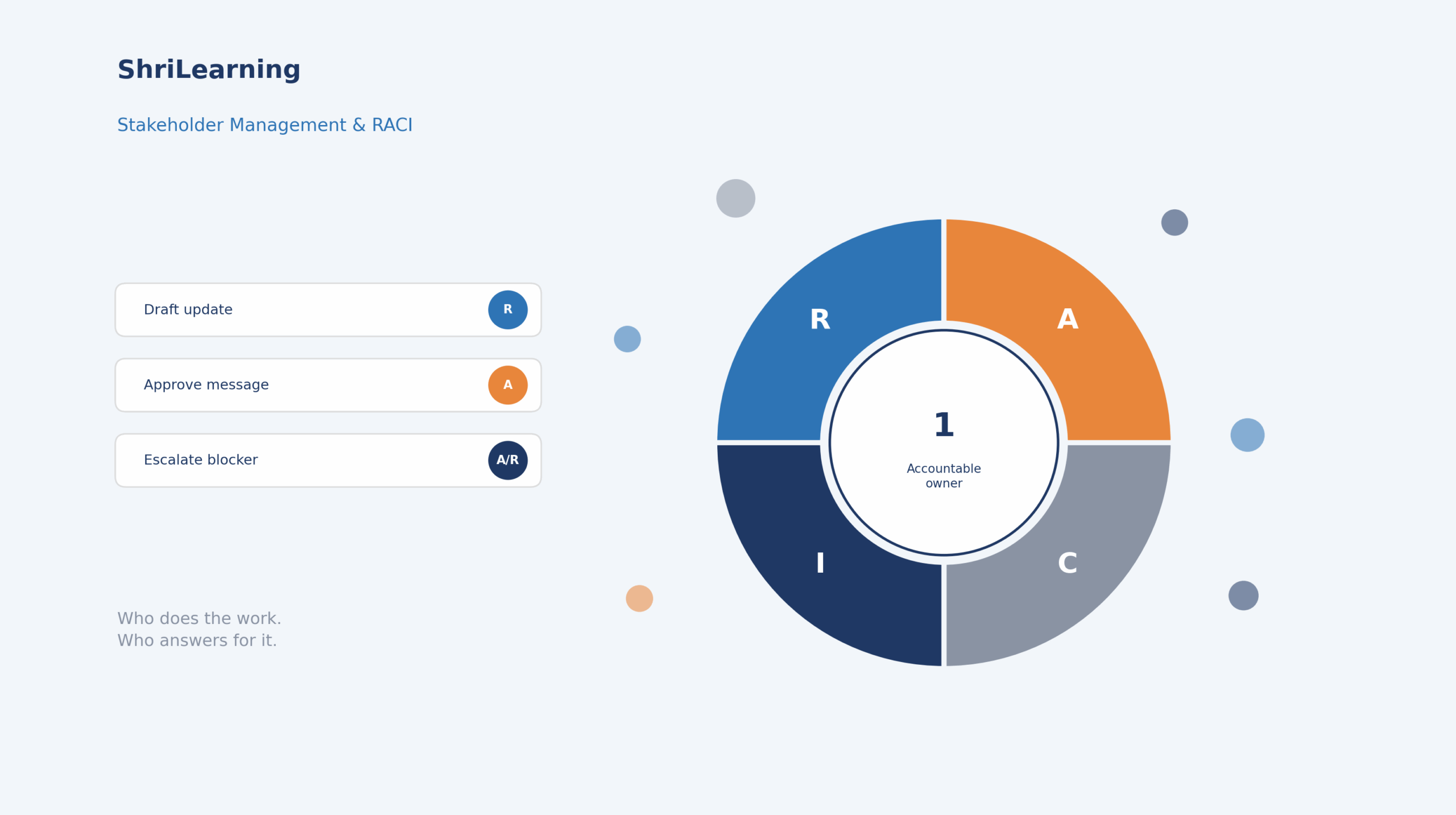
Stakeholder Management and RACI: The Complete PMP Guide (With a Worked Example)
saketpratapsinghdm2026-09-21T15:07:42+05:30September 21st, 2026|