What is a Project Analyst? Essential Skills for Success
What is a Project Analyst? Essential Skills for Success
While a project manager is the conductor of a project, a Project Analyst is the strategist who provides the critical data and insights needed to keep the project on track. This role is a vital link between the project team, stakeholders, and management, ensuring that decisions are data-driven and objectives are met.
A Project Analyst is not just a report writer; they are a problem-solver who uses data to identify risks, forecast trends, and recommend improvements. They are the eyes and ears of a project, providing the objective information that is often lost in the day-to-day work.
Core Roles and Responsibilities
A Project Analyst’s job description varies by industry and project size, but their core functions revolve around data and analysis.
- Data Collection and Reporting: The Project Analyst is responsible for gathering and analyzing project data. This includes tracking budgets, schedules, resources, and progress. They are the primary creator of Project Reports, which are essential for keeping all stakeholders informed.
- Performance Forecasting: Using historical data and current trends, they forecast future project performance. This helps project managers and stakeholders anticipate potential issues, such as budget overruns or schedule delays, long before they occur.
- Risk and Issue Identification: They use their analytical skills to spot potential risks and emerging issues. By monitoring key performance indicators (KPIs), they can provide early warnings and help the project team develop mitigation strategies.
- Process Improvement: By analyzing project workflows and team productivity, they can identify bottlenecks and inefficiencies. They often recommend changes to processes to improve speed, quality, and overall project success.
Key Skills for a Project Analyst
To excel in this role, you need a strong mix of analytical, technical, and interpersonal skills.
- Analytical and Problem-Solving Skills: This is the most crucial skill. A Project Analyst must be able to think critically, break down complex problems, and use data to derive meaningful insights.
- Technical Proficiency: You must be proficient in project management software (Jira, Asana), data visualization tools (Tableau, Power BI), and advanced spreadsheet skills.
- Communication Skills: The ability to present complex data in a clear, concise, and easy-to-understand manner is essential. This includes creating clear visuals and compelling narratives for various audiences.
- Domain Knowledge: While not always required, having a working knowledge of the project’s industry (e.g., IT, construction) is a significant advantage. It helps you understand the data in its proper context.
The Path to Becoming a Project Analyst
A career as a Project Analyst is an excellent entry point into the project management field. It allows you to build a foundational understanding of projects and develop highly sought-after skills. Many Project Analysts go on to become Project Managers, leveraging their data-driven insights to lead teams.
To start your journey, consider pursuing a certification that validates your knowledge. Our PMP certification courses will give you the formal knowledge of project management principles that are invaluable to this role. You can also explore our other resources, such as the blog on Project Management Job Descriptions, to see how the Project Analyst role fits into the broader career landscape.
Keep advancing in your PMP journey — explore our other in-depth guides
- Agile vs Waterfall: Which Methodology is Right for Your Project?
- The 5 Scrum Events Explained: Purpose, Attendees, and Effective Execution
- Why PMP Aspirants Fail? – And How to Avoid Them
- Confused Between Agile, Hybrid, and Predictive? Here’s a Clear Comparison
- Why You Should Track Your Errors — and How to Do It Right
Your first project is calling—will you answer? Join the ShriLearning Community Connect with fellow PMP aspirants and expert instructors. Crete your study plan for free from ShriLearning study-plan-generator.
FAQs
More for you
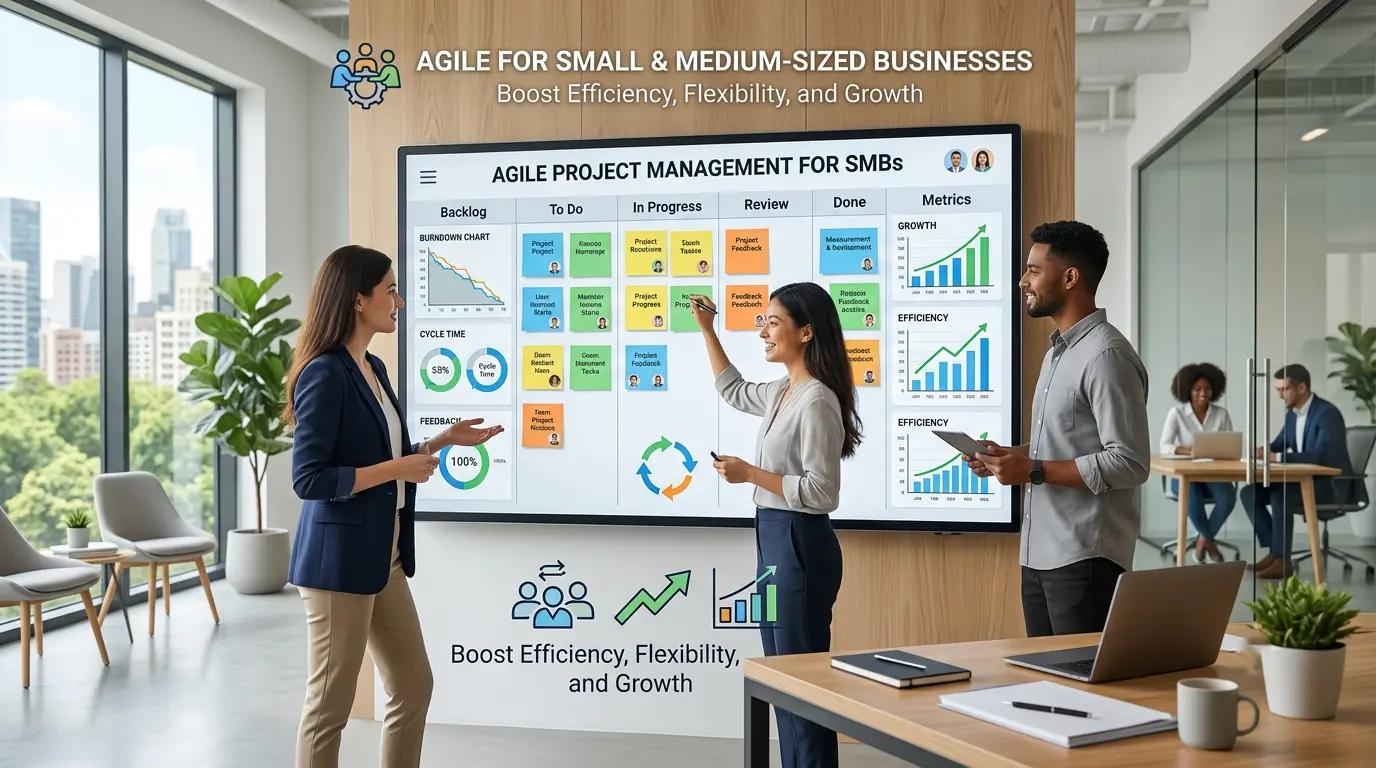
Benefits of Agile Project Management for Small and Medium-Sized Businesses
saketpratapsinghdm2026-09-28T10:12:30+05:30September 28th, 2026|

Work Breakdown Structure (WBS): The Complete PMP Guide, With a Worked Example
saketpratapsinghdm2026-09-21T16:48:15+05:30September 21st, 2026|
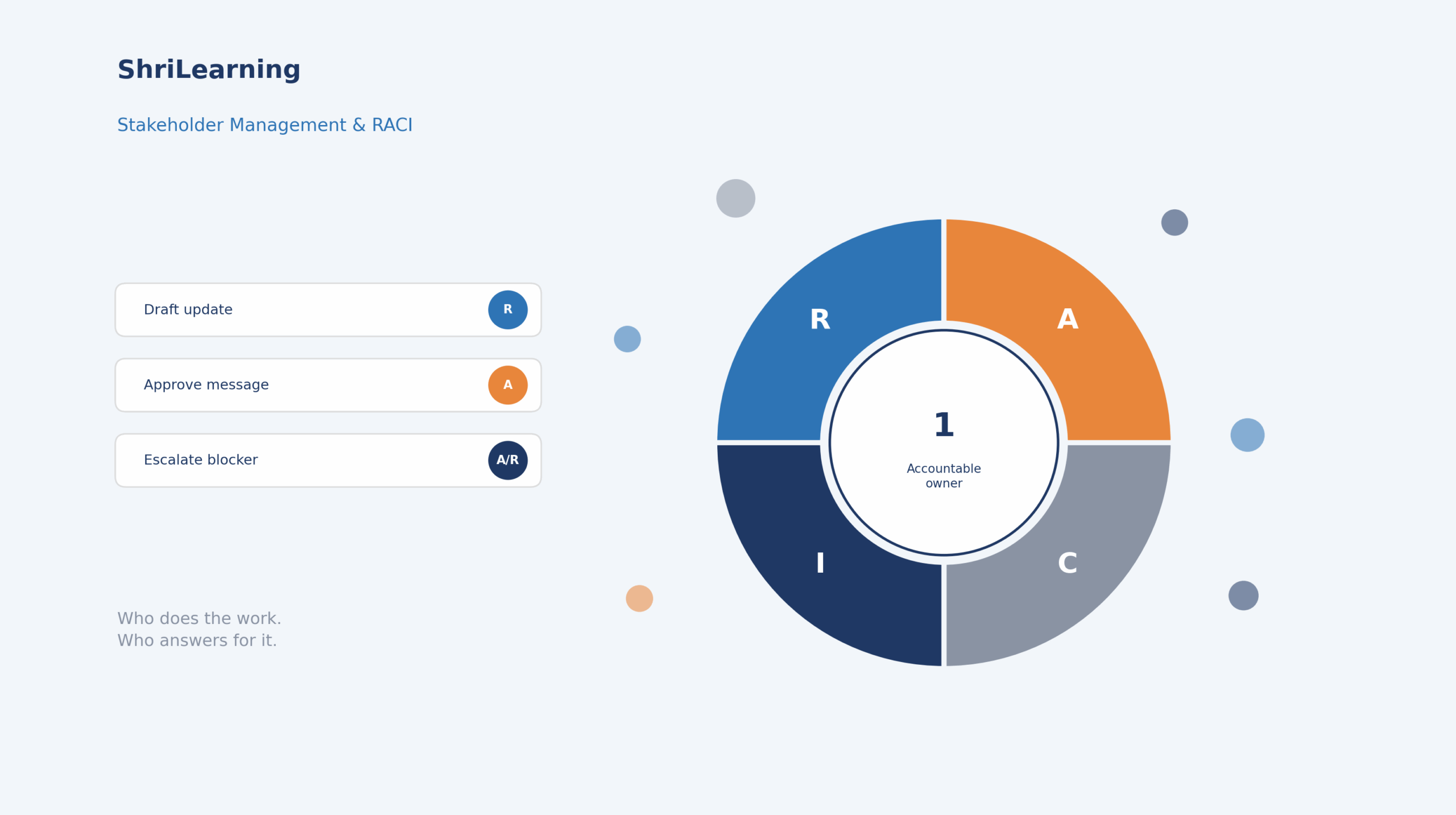
Stakeholder Management and RACI: The Complete PMP Guide (With a Worked Example)
saketpratapsinghdm2026-09-21T15:07:42+05:30September 21st, 2026|
How to Write a Problem Statement (With a PMP-Ready Template and Examples)
saketpratapsinghdm2026-09-21T14:42:27+05:30September 21st, 2026|

Earned Value Management: How to Actually Read CPI and SPI (Not Just Calculate Them)
saketpratapsinghdm2026-09-17T15:32:44+05:30September 17th, 2026|

Agile Practice Guide – Second Edition: What Changed, and What It Means for Your PMI-ACP Prep
saketpratapsinghdm2026-09-17T14:45:53+05:30September 17th, 2026|

Why the PMP People Domain Dropped to 33% (And How to Master It in 2026)
saketpratapsinghdm2026-08-27T21:18:31+05:30August 27th, 2026|

CSM Certification Guide India (2026): Cost, Eligibility, Salary & Exam Steps
saketpratapsinghdm2026-09-17T15:37:52+05:30August 21st, 2026|