IT Project Manager Skills: Your Key to Success in 2026
IT Project Manager Skills: Your Key to Success in 2026
The role of an IT Project Manager has evolved far beyond simply delivering projects on time and within budget. In 2026, IT Project Managers are at the forefront of digital transformation, leading innovation and ensuring technology investments align with business strategy. Success in this field requires a unique blend of technical acumen, leadership, and a deep understanding of project methodologies.
To thrive in the coming years, here are the essential skills every IT Project Manager must master.
The Blend of Hard and Soft Skills
An effective IT Project Manager is a master of two domains: the technical and the interpersonal.
Technical Skills (Hard Skills)
- Methodology Expertise: In the IT world, a single approach rarely fits all. A successful IT Project Manager must be proficient in various methodologies. While traditional Waterfall is still used for some projects, a strong command of Agile Methodologies like Scrum and Kanban is non-negotiable for software development and product management.
- Understanding of Technology: You don’t need to be a coding wizard, but you must speak the language of your team. This includes a foundational understanding of software development life cycles (SDLC), common programming languages, and a working knowledge of cloud computing, cybersecurity, and data analytics. This technical insight helps you make realistic plans and spot potential risks.
- Data Analysis and Reporting: Decisions in 2026 are data-driven. An IT Project Manager must be skilled at analyzing project metrics, such as bug fix rates, development velocity, and resource utilization. They should be able to translate this data into clear, concise Project Reports that inform stakeholders and drive action.
Soft Skills (Interpersonal Skills)
- Leadership and Communication: Your primary role is to lead and motivate your team. This requires exceptional communication skills to manage expectations, resolve conflicts, and foster a collaborative environment. An IT Project Manager also acts as a key liaison between technical teams and non-technical stakeholders, bridging the communication gap. This is a core part of the Project Manager Job Description.
- Strategic Thinking: A project is not an isolated event. It must deliver business value. An IT Project Manager must understand how their project fits into the company’s larger strategic goals. This includes identifying opportunities for efficiency, cost savings, and revenue generation.
- Adaptability: The IT landscape changes at a breakneck pace. A project plan from today might be outdated in a month. Successful IT Project Managers are adaptable, resilient, and can pivot quickly when technology, requirements, or market conditions change.
- Empathy and Emotional Intelligence: The best leaders understand their team. By practicing empathy, an IT Project Manager can build a more positive and productive work environment, which is crucial for managing demanding and high-stress projects.
The Path to Mastering IT Project Management
To gain these critical skills, hands-on experience is key, but it’s often complemented by professional certifications. Earning a globally recognized certification like the PMP Certification validates your expertise in project management principles and methodologies. Many professionals also pursue specialized certifications in Agile frameworks to prove their proficiency.
At ShriLearning, we help you master the skills needed to become a successful IT Project Manager. Our courses are designed to provide you with the knowledge, credentials, and confidence to lead any project.
Keep advancing in your PMP journey — explore our other in-depth guides
- Agile vs Waterfall: Which Methodology is Right for Your Project?
- The 5 Scrum Events Explained: Purpose, Attendees, and Effective Execution
- Why PMP Aspirants Fail? – And How to Avoid Them
- Confused Between Agile, Hybrid, and Predictive? Here’s a Clear Comparison
- Why You Should Track Your Errors — and How to Do It Right
Your first project is calling—will you answer? Join the ShriLearning Community Connect with fellow PMP aspirants and expert instructors. Crete your study plan for free from ShriLearning study-plan-generator.
FAQs
More for you
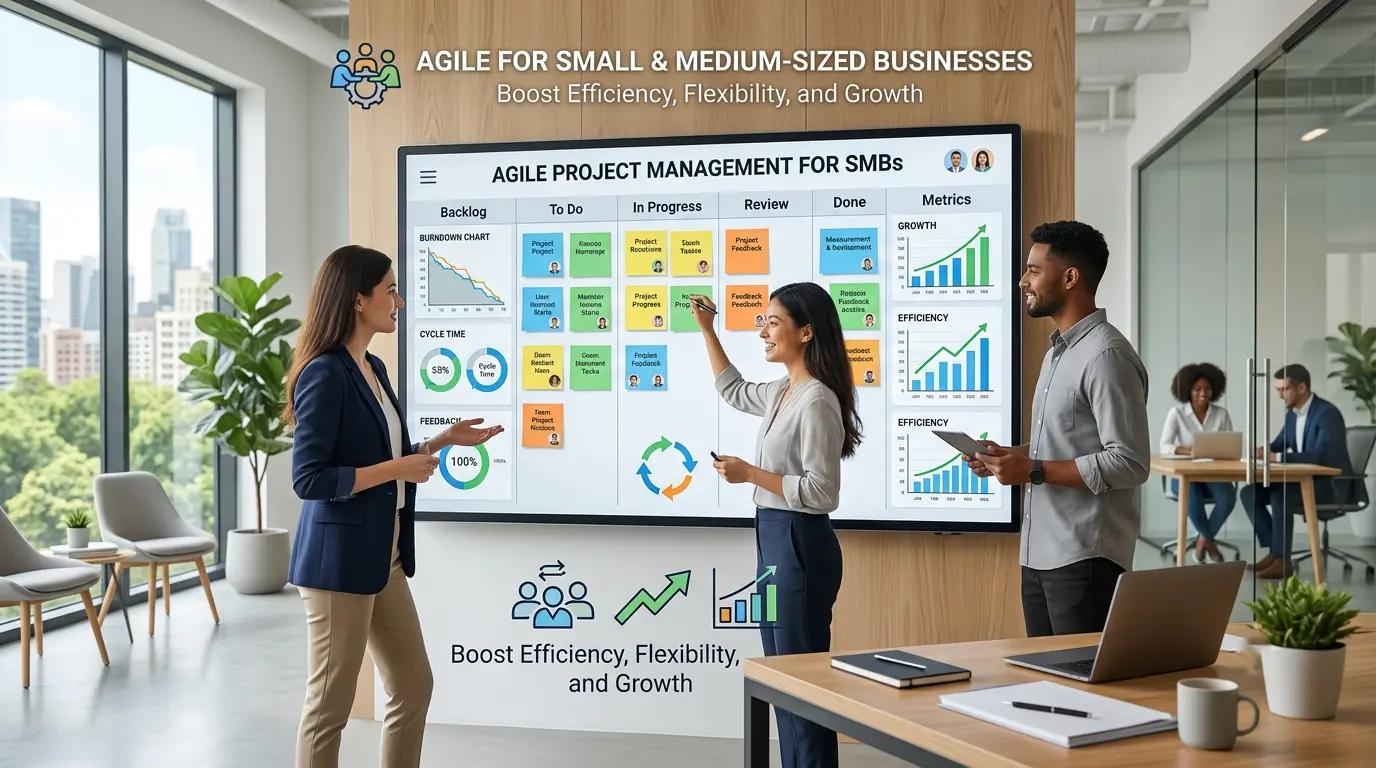
Benefits of Agile Project Management for Small and Medium-Sized Businesses
saketpratapsinghdm2026-09-28T10:12:30+05:30September 28th, 2026|

Work Breakdown Structure (WBS): The Complete PMP Guide, With a Worked Example
saketpratapsinghdm2026-09-21T16:48:15+05:30September 21st, 2026|
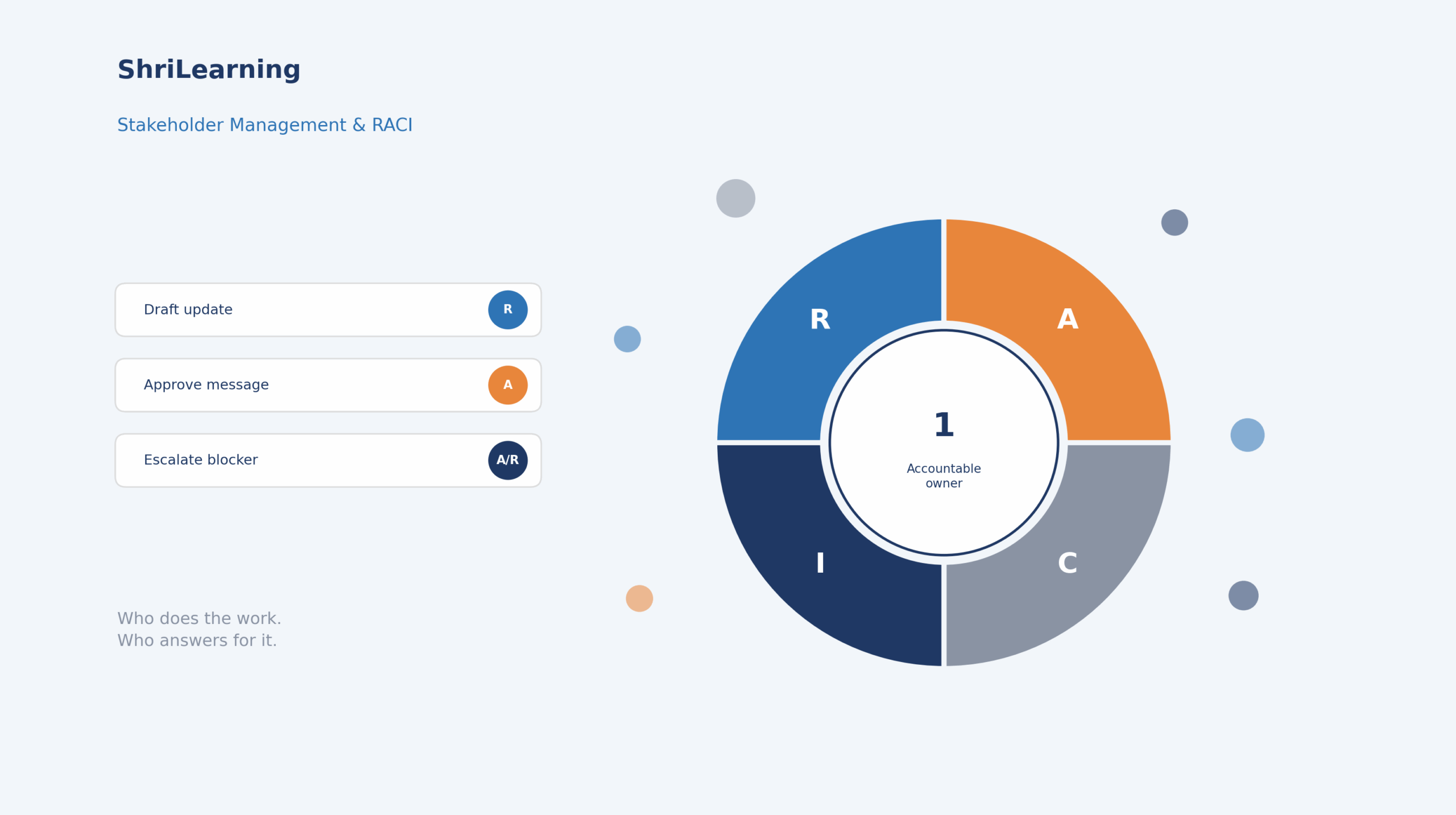
Stakeholder Management and RACI: The Complete PMP Guide (With a Worked Example)
saketpratapsinghdm2026-09-21T15:07:42+05:30September 21st, 2026|
How to Write a Problem Statement (With a PMP-Ready Template and Examples)
saketpratapsinghdm2026-09-21T14:42:27+05:30September 21st, 2026|

Earned Value Management: How to Actually Read CPI and SPI (Not Just Calculate Them)
saketpratapsinghdm2026-09-17T15:32:44+05:30September 17th, 2026|

Agile Practice Guide – Second Edition: What Changed, and What It Means for Your PMI-ACP Prep
saketpratapsinghdm2026-09-17T14:45:53+05:30September 17th, 2026|

Why the PMP People Domain Dropped to 33% (And How to Master It in 2026)
saketpratapsinghdm2026-08-27T21:18:31+05:30August 27th, 2026|

CSM Certification Guide India (2026): Cost, Eligibility, Salary & Exam Steps
saketpratapsinghdm2026-09-17T15:37:52+05:30August 21st, 2026|