Project Manager Job Description: Roles, Skills, and Career Path in 2026
Project Manager Job Description: Roles, Skills, and Career Path in 2026
The role of a project manager is more critical and dynamic than ever. In 2026, a project manager is not just a taskmaster; they are a strategic leader responsible for guiding teams, navigating complex environments, and delivering business value. As the demand for certified professionals continues to rise, understanding the modern project manager’s job description is the first step toward a successful career.
Key Roles and Responsibilities of a Modern Project Manager
While the core principles of planning and execution remain, a project manager’s responsibilities have expanded to include strategic oversight and a deep understanding of organizational goals.
- Strategic Vision & Planning: A project manager in 2026 must go beyond simply creating a schedule. Their role is to define the project’s purpose, scope, and objectives in alignment with the company’s long-term strategy. This involves creating a comprehensive project management plan that serves as a roadmap for the entire team.
- Agile & Hybrid Methodologies: The traditional “waterfall” approach is being replaced by more flexible methods. Project managers are now expected to lead with agility, manage daily stand-ups, and adapt to changing requirements in real-time. This is where an understanding of Agile Methodologies becomes a non-negotiable skill.
- Stakeholder & Team Leadership: A project manager is the central point of contact for all stakeholders. This means effectively communicating with clients, team members, and senior leadership. They must also be proficient in team management, conflict resolution, and motivating diverse, often remote, teams to perform at their best.
- Risk & Change Management: The future of project management is about anticipating and mitigating risk. Project managers must proactively identify potential roadblocks and develop strategies to address them. This includes a robust risk management plan to ensure the project stays on track and within budget.
In-Demand Skills for Project Managers in 2026
The modern project manager requires a blend of technical (hard) and interpersonal (soft) skills.
- Leadership & Team Management: The ability to coach, mentor, and inspire a team is paramount.
- Communication & Negotiation: Clear, concise communication is essential for managing stakeholder expectations and navigating complex discussions.
- Problem-Solving & Critical Thinking: Projects are full of unexpected challenges. A great project manager can analyze problems, make informed decisions, and find innovative solutions.
- Technical Proficiency: While you don’t need to be an expert in every tool, a strong working knowledge of project management software like Jira, Asana, or Trello is expected.
- Adaptability & Flexibility: With the rapid pace of change, a project manager must be able to pivot and adjust their strategy as needed. This aligns with the principles of the Top-Down vs. Bottom-Up Approaches.
Your Career Path: How to Become a Project Manager
The journey to becoming a project manager in 2026 is structured and rewarding. It typically involves gaining a foundational understanding, building experience, and earning industry-recognized credentials.
- Gain the Right Education: A bachelor’s degree in business, IT, or a related field is often a prerequisite.
- Build Practical Experience: Start in a project-oriented role, even if it’s not a formal management position. This hands-on experience is invaluable.
- Get Certified: Earning a globally recognized certification like the PMP Certification is the most significant step you can take. It validates your skills, boosts your credibility, and opens up new career opportunities.
Keep advancing in your PMP journey — explore our other in-depth guides
- Agile vs Waterfall: Which Methodology is Right for Your Project?
- The 5 Scrum Events Explained: Purpose, Attendees, and Effective Execution
- Why PMP Aspirants Fail? – And How to Avoid Them
- Confused Between Agile, Hybrid, and Predictive? Here’s a Clear Comparison
- Why You Should Track Your Errors — and How to Do It Right
Your first project is calling—will you answer? Join the ShriLearning Community Connect with fellow PMP aspirants and expert instructors. Crete your study plan for free from ShriLearning study-plan-generator.
FAQs
More for you
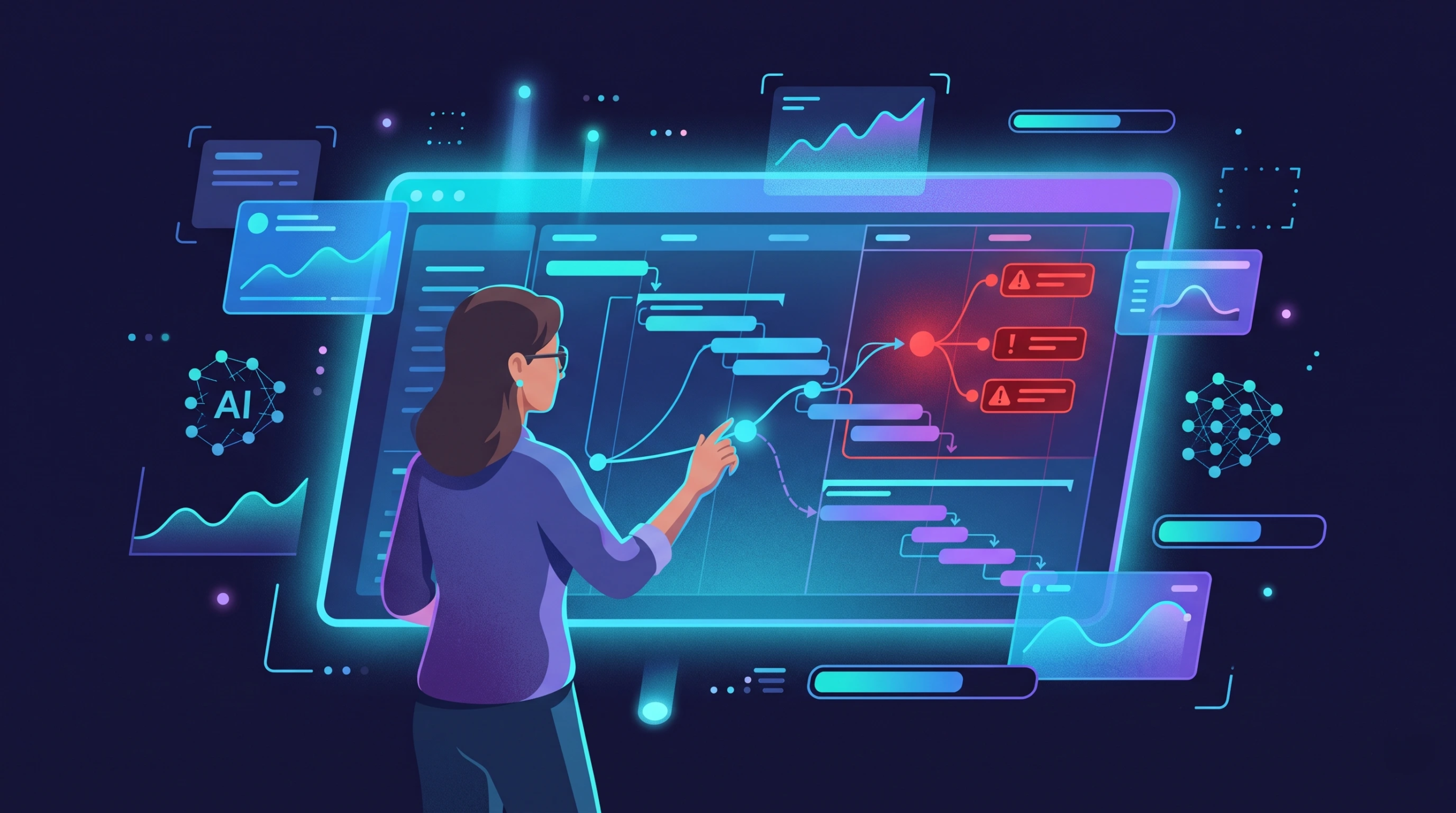
How to Use AI in Project Management: 10 Practical Workflows
saketpratapsinghdm2026-10-24T15:48:41+05:30October 24th, 2026|
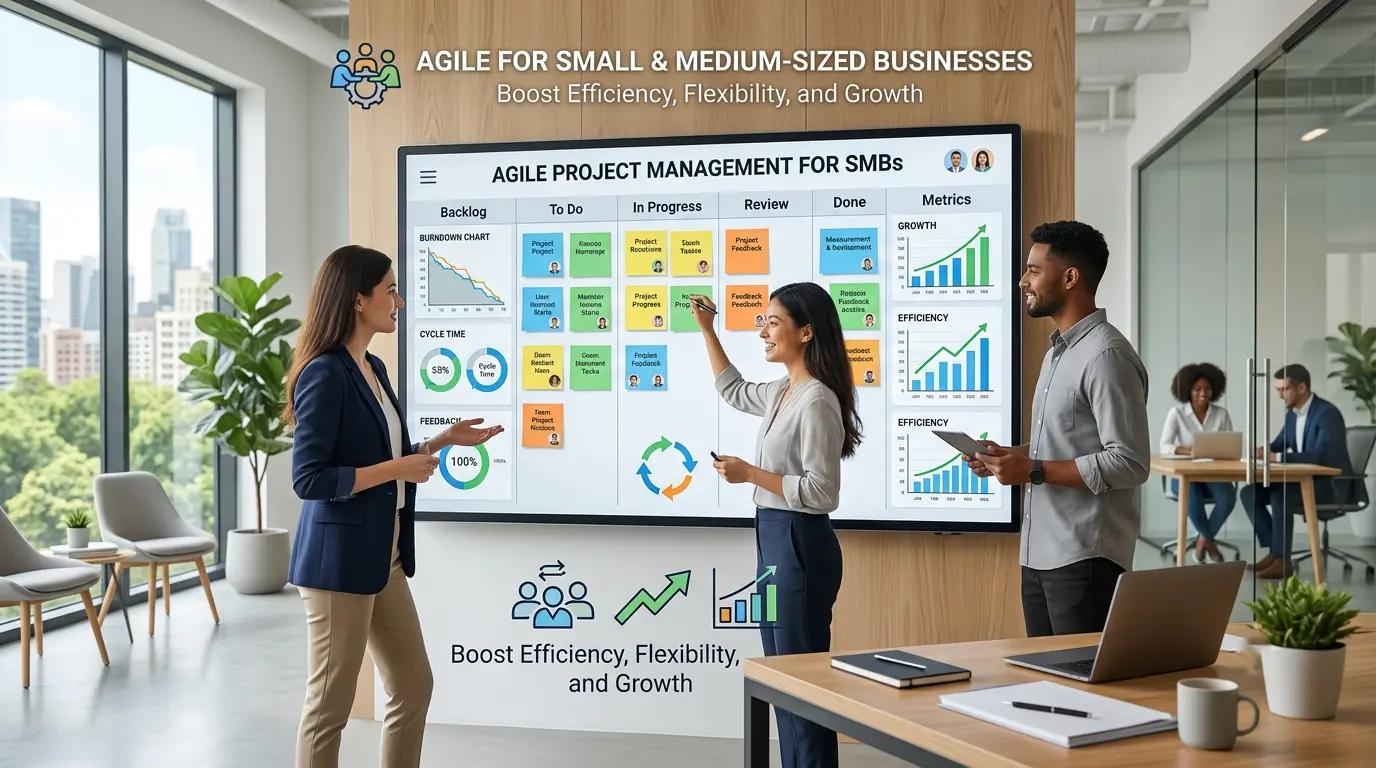
Benefits of Agile Project Management for Small and Medium-Sized Businesses
saketpratapsinghdm2026-09-28T10:12:30+05:30September 28th, 2026|

Work Breakdown Structure (WBS): The Complete PMP Guide, With a Worked Example
saketpratapsinghdm2026-09-21T16:48:15+05:30September 21st, 2026|
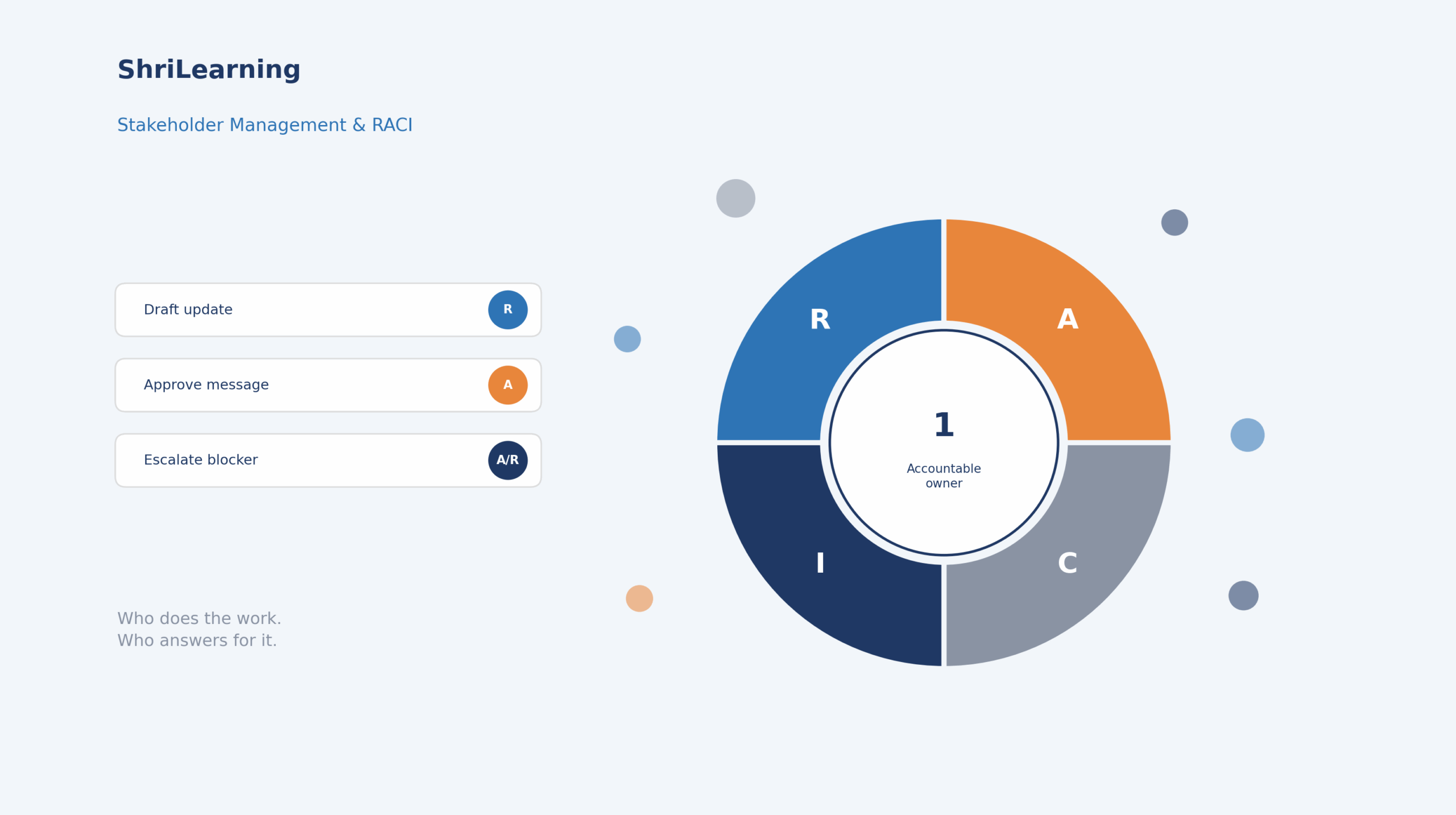
Stakeholder Management and RACI: The Complete PMP Guide (With a Worked Example)
saketpratapsinghdm2026-09-21T15:07:42+05:30September 21st, 2026|
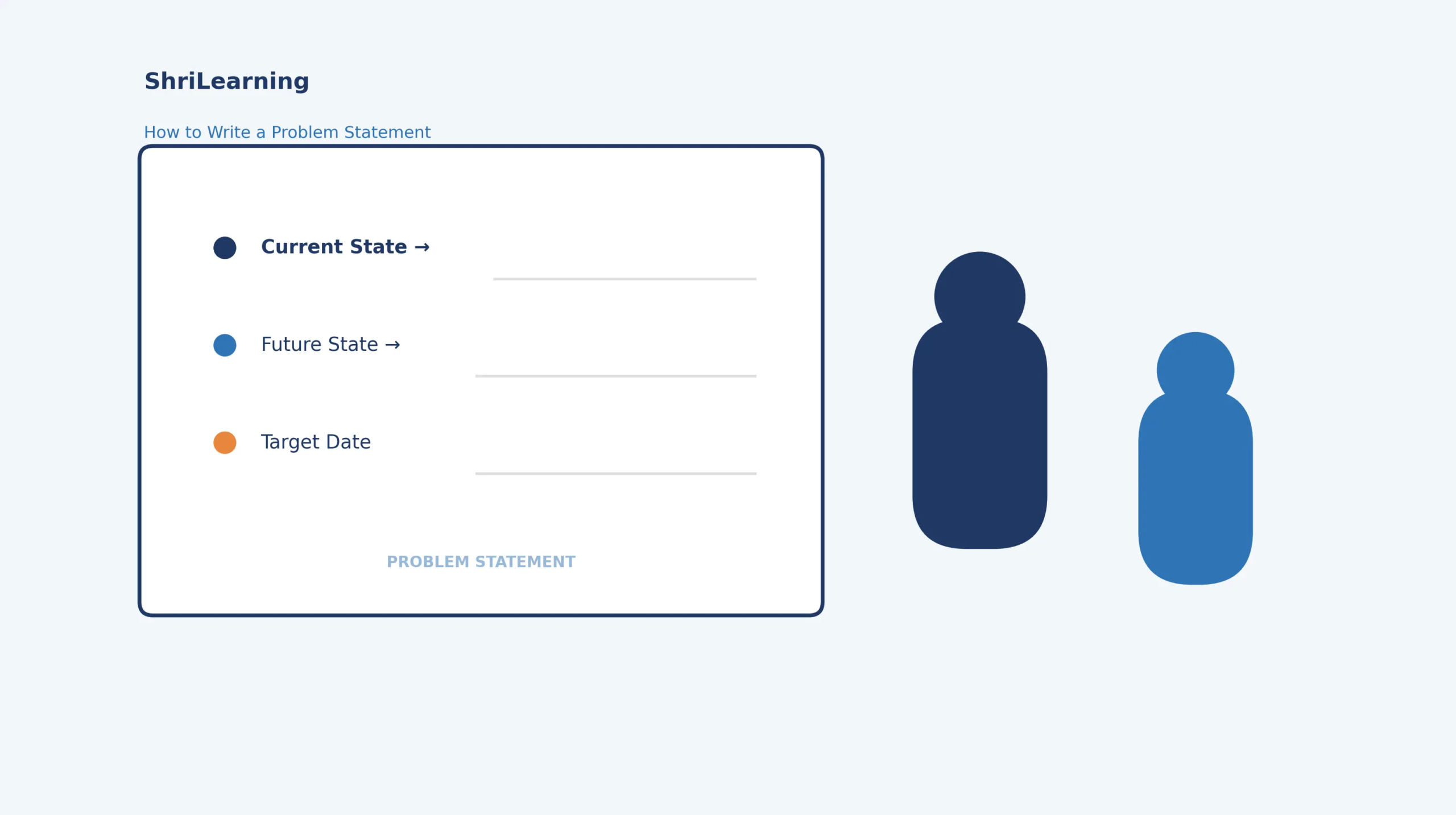
How to Write a Problem Statement (With a PMP-Ready Template and Examples)
saketpratapsinghdm2026-09-21T14:42:27+05:30September 21st, 2026|

Earned Value Management: How to Actually Read CPI and SPI (Not Just Calculate Them)
saketpratapsinghdm2026-09-17T15:32:44+05:30September 17th, 2026|

Agile Practice Guide – Second Edition: What Changed, and What It Means for Your PMI-ACP Prep
saketpratapsinghdm2026-09-17T14:45:53+05:30September 17th, 2026|

Why the PMP People Domain Dropped to 33% (And How to Master It in 2026)
saketpratapsinghdm2026-08-27T21:18:31+05:30August 27th, 2026|