SAFe Scrum Master (SSM) Certification: Is It Worth the Investment?
SAFe Scrum Master (SSM) Certification: Is It Worth the Investment?
The Scrum Master role is a foundational element of successful Agile teams. However, when an entire enterprise adopts Agile, a foundational certification like CSM may not be enough. This is where the SAFe Scrum Master (SSM) Certification becomes a crucial differentiator.
The SSM certification is tailored specifically for professionals working within the Scaled Agile Framework (SAFe®), the dominant framework for large-scale enterprise Agile adoption. The question for many professionals is: Does the SAFe Scrum Master cost justify the investment, and how does it compare to the popular CSM?
The Core Value Proposition: Scaling Agile Expertise
The primary distinction of the SSM certification is its enterprise-level focus. It is not just about facilitating a single Scrum team; it is about facilitating a team within a larger system called the Agile Release Train (ART).
SSM Certification Benefits
- Enterprise Context: You learn how the Scrum team fits into the organization’s strategic vision and how to align team goals with the large-scale Program Increment (PI) objectives.
- PI Planning Mastery: The SSM certification provides specialized training in participating in and facilitating Program Increment (PI) Planning—the heartbeat of SAFe—which involves aligning hundreds of people across multiple teams.
- Cross-Team Coordination: SSMs are trained to manage dependencies, resolve issues, and ensure smooth collaboration between their team and the dozens of other teams on the ART.
- Lean-Agile Leadership: The certification emphasizes the Lean-Agile principles and the role of the Scrum Master as a servant leader and coach within a complex hierarchy.
SAFe vs CSM: Choosing the Right Framework
The decision between SAFe vs CSM depends almost entirely on your current or target work environment.
| Feature | Certified ScrumMaster (CSM) | SAFe Scrum Master (SSM) |
| Framework Focus | Traditional Scrum (Single Team) | Scaled Agile Framework (Multiple Teams/ART) |
| Scope of Responsibilities | Team-level execution, sprint facilitation, removing team impediments. | Program-level alignment, cross-team coordination, facilitating PI Planning, supporting the ART. |
| Audience | New Scrum Masters, professionals transitioning to Agile, small to mid-sized teams. | Scrum Masters in large enterprises, Agile leaders, Project Managers in scaled environments. |
| Prerequisite | None (ideal for beginners) | Recommended to have foundational Agile knowledge or work experience in a scaled environment. |
If you work for a large organization (e.g., in finance, telecom, or government) or a corporation that is actively scaling Agile across multiple departments, SSM is the definitive choice.
Is the SAFe Scrum Master Cost Worth the Salary Premium?
The SAFe Scrum Master cost is typically higher than that of the CSM because it includes a mandatory two-day training course led by a certified SPC (SAFe Program Consultant), along with the examination fee and a one-year membership to the SAaled Agile Community Platform.
SAFe Certification Salary and ROI
The higher investment often translates into a higher return, especially in the Indian and global job markets where enterprise adoption is soaring:
- Salary Premium: Professionals with SSM Certification often command a 15% to 25% salary premium over general Scrum Masters, particularly in organizations that explicitly use the SAFe framework.
- Career Advancement: SSM is a critical step toward advanced roles like SAFe Advanced Scrum Master (SASM), Release Train Engineer (RTE), or Agile Coach, which come with significantly higher compensation (often exceeding ₹30 Lakhs for experienced professionals in India).
The Investment is Worth It If:
- You are currently working in a large corporate environment (1,000+ employees).
- Your job postings mention “Scaled Agile,” “Program Increment,” or “Agile Release Train.”
- You want your career path to lead to program-level leadership and enterprise agility coaching.
Keep advancing in your PMP journey — explore our other in-depth guides
- Agile vs Waterfall: Which Methodology is Right for Your Project?
- The 5 Scrum Events Explained: Purpose, Attendees, and Effective Execution
- Why PMP Aspirants Fail? – And How to Avoid Them
- Confused Between Agile, Hybrid, and Predictive? Here’s a Clear Comparison
- Why You Should Track Your Errors — and How to Do It Right
Your first project is calling—will you answer? Join the ShriLearning Community Connect with fellow PMP aspirants and expert instructors. Crete your study plan for free from ShriLearning study-plan-generator.
FAQs
More for you
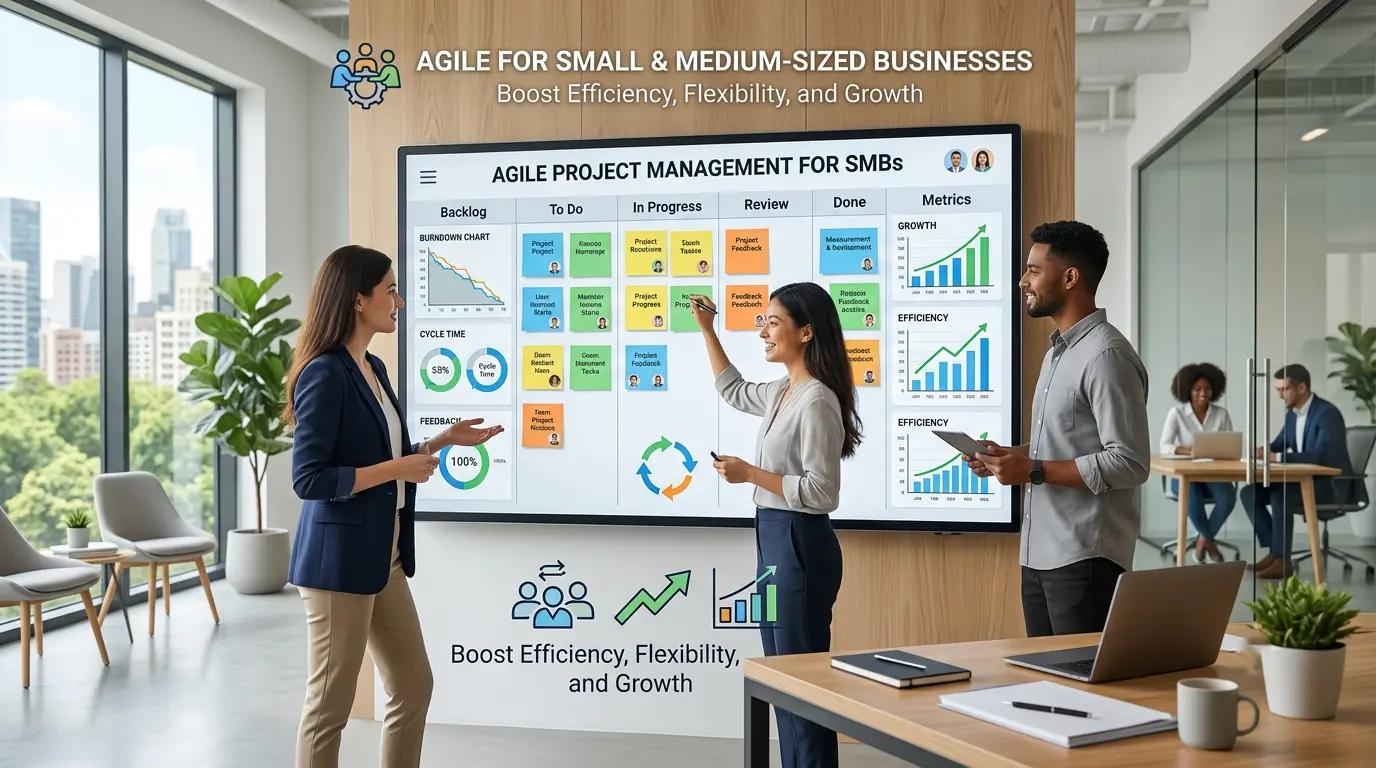
Benefits of Agile Project Management for Small and Medium-Sized Businesses
saketpratapsinghdm2026-09-28T10:12:30+05:30September 28th, 2026|

Work Breakdown Structure (WBS): The Complete PMP Guide, With a Worked Example
saketpratapsinghdm2026-09-21T16:48:15+05:30September 21st, 2026|
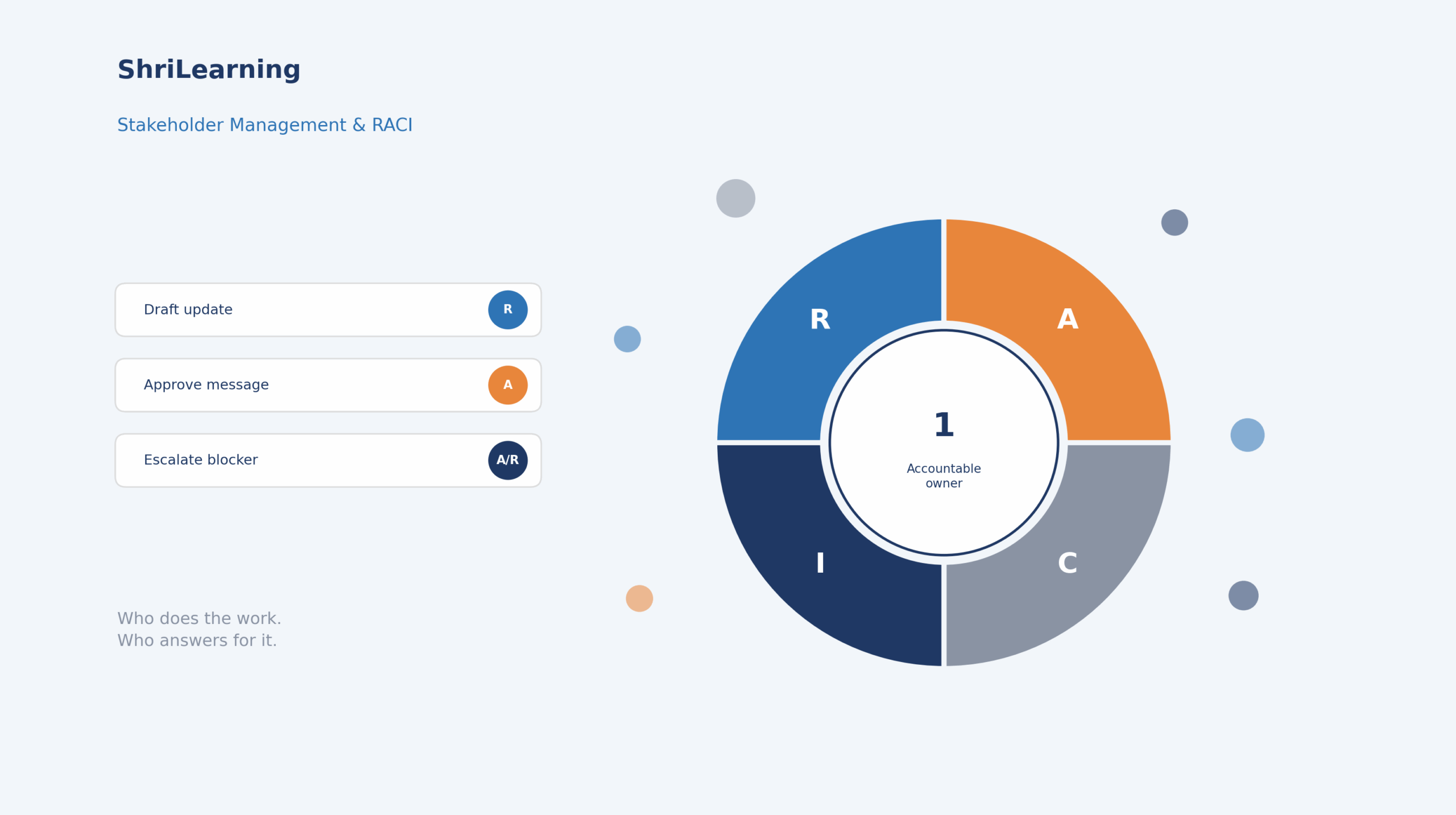
Stakeholder Management and RACI: The Complete PMP Guide (With a Worked Example)
saketpratapsinghdm2026-09-21T15:07:42+05:30September 21st, 2026|
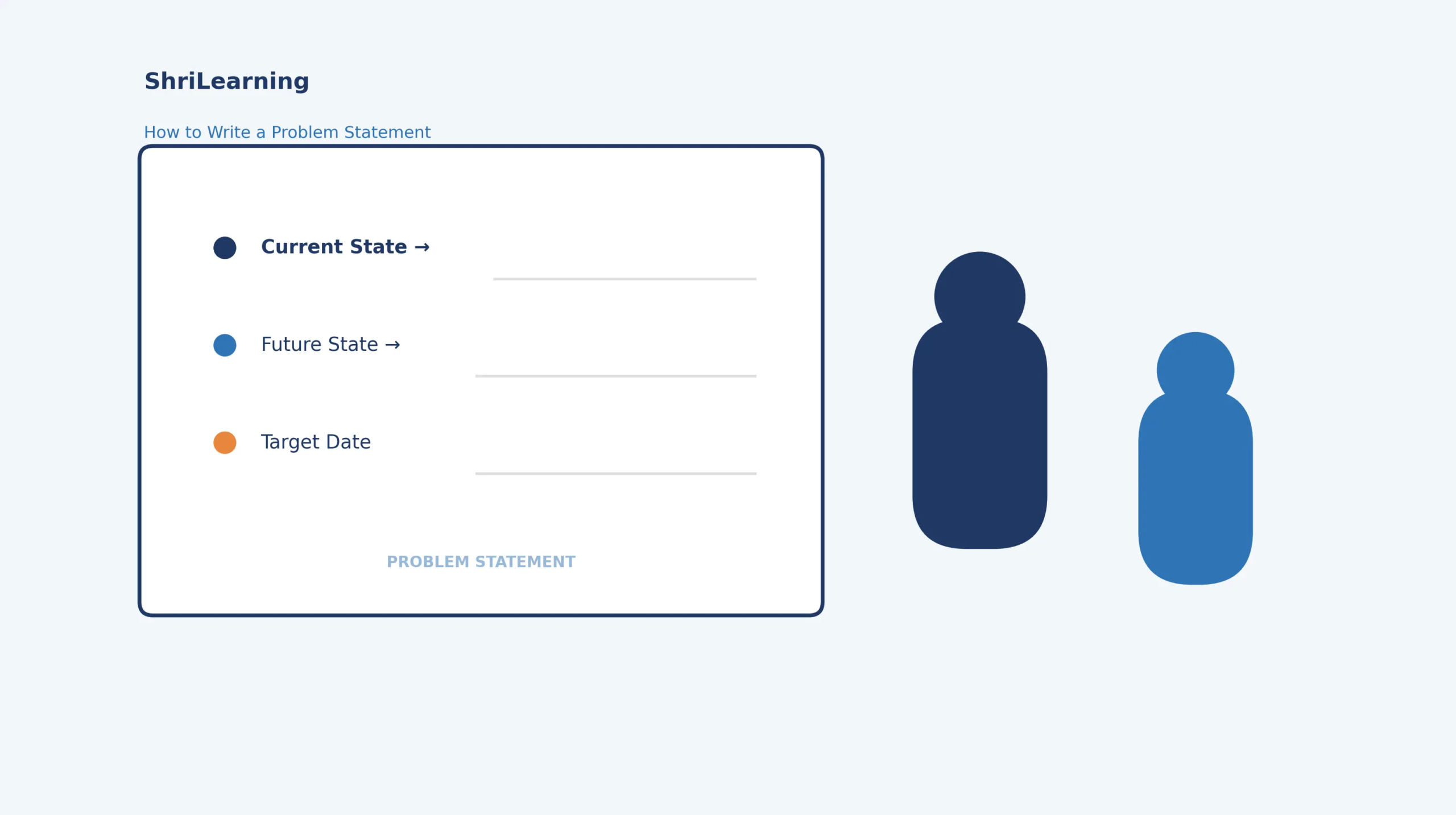
How to Write a Problem Statement (With a PMP-Ready Template and Examples)
saketpratapsinghdm2026-09-21T14:42:27+05:30September 21st, 2026|

Earned Value Management: How to Actually Read CPI and SPI (Not Just Calculate Them)
saketpratapsinghdm2026-09-17T15:32:44+05:30September 17th, 2026|

Agile Practice Guide – Second Edition: What Changed, and What It Means for Your PMI-ACP Prep
saketpratapsinghdm2026-09-17T14:45:53+05:30September 17th, 2026|

Why the PMP People Domain Dropped to 33% (And How to Master It in 2026)
saketpratapsinghdm2026-08-27T21:18:31+05:30August 27th, 2026|

CSM Certification Guide India (2026): Cost, Eligibility, Salary & Exam Steps
saketpratapsinghdm2026-09-17T15:37:52+05:30August 21st, 2026|