Is Over-Studying Hurting Your PMP Performance?
Is Over-Studying Hurting Your PMP Performance?
Burning out before your PMP exam can quietly sabotage all your hard work. Many aspirants believe more study hours equals better performance — but that’s not always true. In fact, over-studying can lead to confusion, mental fatigue, and declining scores.
If you’ve been putting in 4–6 hours a day and still feel stuck or inconsistent, this guide is for you.
1. What Does Over-Studying Look Like?
You might be over-studying if:
- You’re studying more than 3 hours/day consistently for over 4–5 weeks
- You’ve taken more than 10 mocks, but your scores aren’t improving
- You feel mentally drained just thinking about opening your books
- You’re revisiting the same topics repeatedly without gaining clarity
- You’re scoring lower after more studying
This isn’t dedication. It’s inefficiency.
2. How Over-Studying Affects Your Brain
- Cognitive overload: Your working memory has limits. Trying to cram too much leads to poor retention.
- Mental fatigue: Decision-making weakens, which is dangerous for a situational-exam like PMP.
- Anxiety loop: Studying more to feel “in control” backfires and creates a loop of doubt.
According to Harvard Health, burnout reduces information processing speed and critical thinking — two core PMP exam skills.
3. Signs You’re Studying Too Much
Ask yourself:
- Do I forget what I studied yesterday?
- Am I spending more time watching videos than actually solving questions?
- Do I feel guilt when I’m not studying?
- Have I stopped enjoying the process?
If you said “yes” to 2 or more, it’s time to take a smarter approach.
4. What to Do Instead of Studying More
- Switch to active recall: Use flashcards, teach-back methods, or whiteboard sessions.
- Follow the 45-15 Rule: Study 45 mins, break for 15. 3 such blocks > 3-hour binge.
- Target top weaknesses: Use an error log and score pattern analysis to guide study, not guesswork.
- Take a reset day every 7–10 days. No study. Let your brain consolidate.
5. Download: PMP Overstudy Awareness Checklist
To help you self-assess and reset your strategy, quick Overstudy Awareness Checklist.
👉 Download the PMP Overstudy Checklist
This checklist includes:
- Key symptoms of over-prep
- Study-to-recovery ratio tips
- A weekly burnout scan to stay on track
6. Final Thought: The Goal Is Clarity, Not Quantity
Smart prep is about improving decision quality under pressure — not accumulating 500 more flashcards.
If you’re stuck around 60–70%, remember: Cutting your study time by 25% can actually boost your performance if you shift toward smarter methods.
Keep advancing in your PMP journey — explore our other in-depth guides
- Agile vs Waterfall: Which Methodology is Right for Your Project?
- The 5 Scrum Events Explained: Purpose, Attendees, and Effective Execution
- Why PMP Aspirants Fail? – And How to Avoid Them
- Confused Between Agile, Hybrid, and Predictive? Here’s a Clear Comparison
- Why You Should Track Your Errors — and How to Do It Right
Your first project is calling—will you answer? Join the ShriLearning Community Connect with fellow PMP aspirants and expert instructors. Crete your study plan for free from ShriLearning study-plan-generator.
More for you
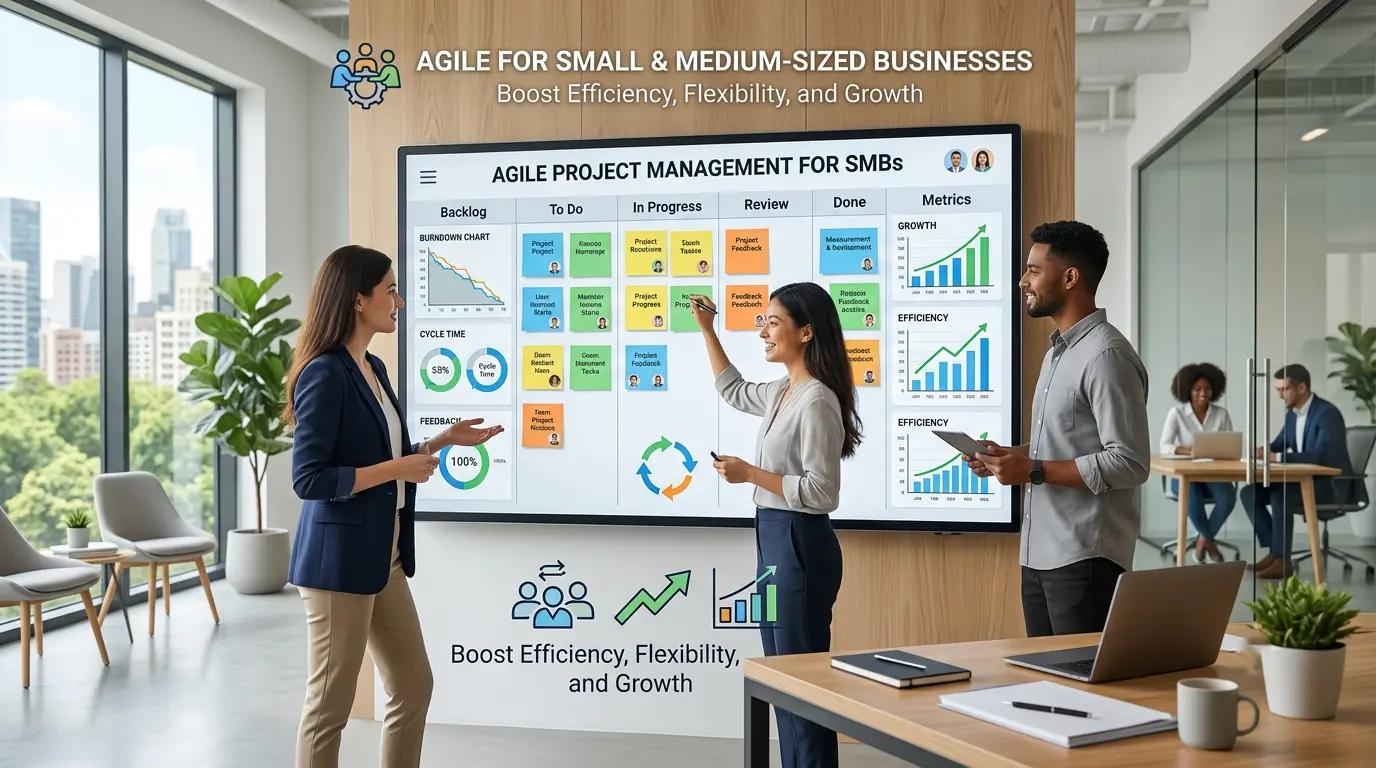
Benefits of Agile Project Management for Small and Medium-Sized Businesses
saketpratapsinghdm2026-09-28T10:12:30+05:30September 28th, 2026|

Work Breakdown Structure (WBS): The Complete PMP Guide, With a Worked Example
saketpratapsinghdm2026-09-21T16:48:15+05:30September 21st, 2026|
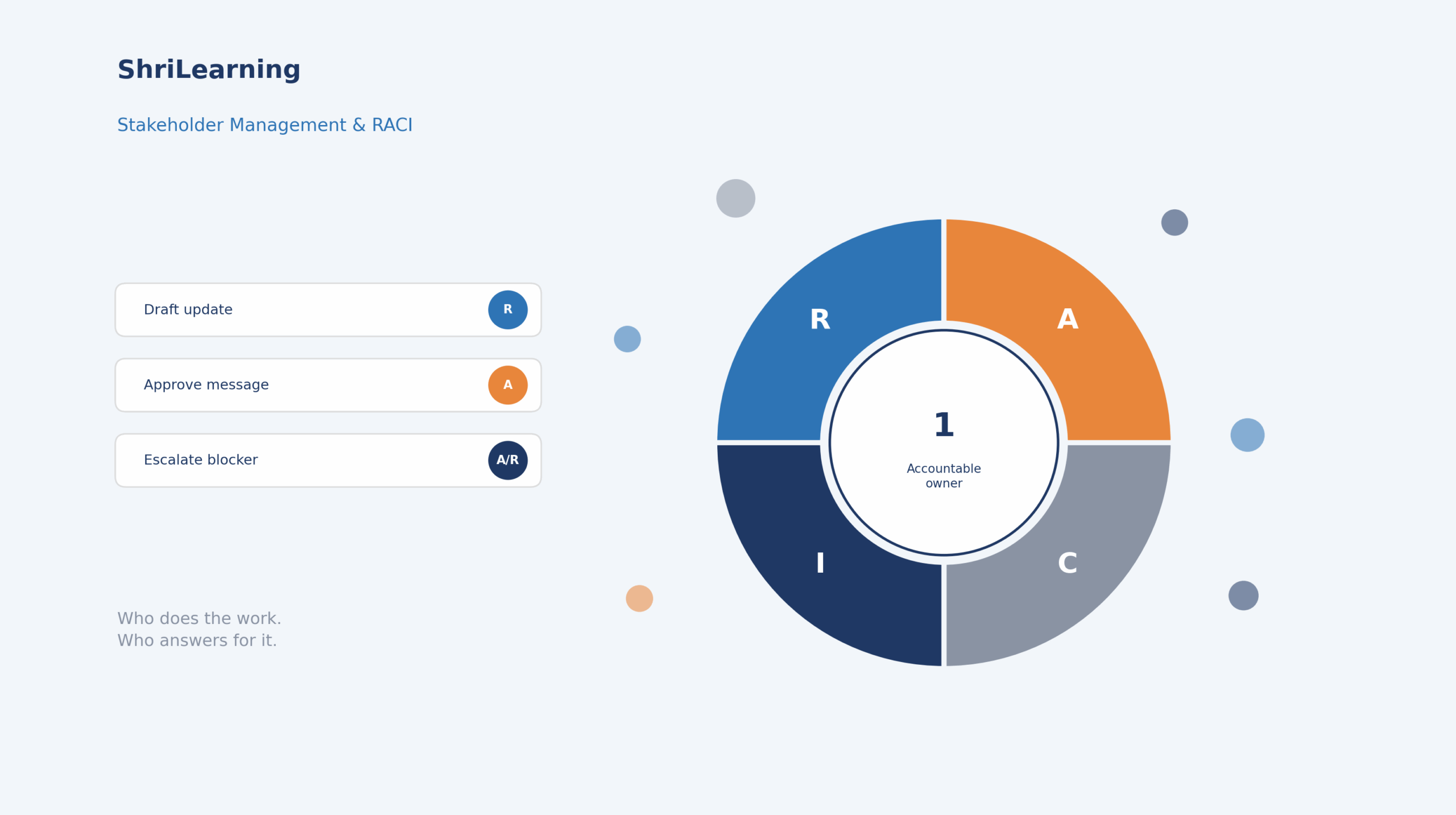
Stakeholder Management and RACI: The Complete PMP Guide (With a Worked Example)
saketpratapsinghdm2026-09-21T15:07:42+05:30September 21st, 2026|
How to Write a Problem Statement (With a PMP-Ready Template and Examples)
saketpratapsinghdm2026-09-21T14:42:27+05:30September 21st, 2026|

Earned Value Management: How to Actually Read CPI and SPI (Not Just Calculate Them)
saketpratapsinghdm2026-09-17T15:32:44+05:30September 17th, 2026|

Agile Practice Guide – Second Edition: What Changed, and What It Means for Your PMI-ACP Prep
saketpratapsinghdm2026-09-17T14:45:53+05:30September 17th, 2026|

Why the PMP People Domain Dropped to 33% (And How to Master It in 2026)
saketpratapsinghdm2026-08-27T21:18:31+05:30August 27th, 2026|

CSM Certification Guide India (2026): Cost, Eligibility, Salary & Exam Steps
saketpratapsinghdm2026-09-17T15:37:52+05:30August 21st, 2026|