AI in the Field of Project Management: The Ultimate Guide
AI in the Field of Project Management: The Ultimate Guide
AI in the field of project management refers to the use of artificial intelligence solutions to assist with project planning, tracking, and execution activities. AI-powered platforms automate repetitive tasks and analyze vast streams of project-related data to generate actionable insights. These intelligent systems enable project managers to optimize workflows, make data-backed decisions, minimize manual effort, and significantly improve overall project outcomes.
Modern smart project management environments function as highly advanced digital assistants. They incorporate a wide array of underlying artificial intelligence technologies, including:
- Machine Learning (ML): To detect patterns and predict future project timelines.
- Generative AI: To draft documentation, summaries, and stakeholder updates instantly.
- Natural Language Processing (NLP): To interpret human voice commands, emails, and chat logs.
- Predictive Modeling: To run scenario simulations and anticipate project bottlenecks.
Rather than depending solely on rigid, traditional legacy methods, AI-driven solutions encourage adaptive, data-driven practices that strengthen collaboration, agility, and productivity across all project stakeholders.
Why AI Matters in Project Management
Project management focuses on organizing, tracking, and delivering business initiatives to accomplish defined objectives while strictly operating within constraints like schedule, cost, and scope. Strong execution practices are vital across every industry imaginable—from emerging startups launching niche software apps to multinational enterprises delivering massive infrastructure projects. In contrast, ineffective project execution directly results in resource inefficiencies, delayed milestones, and severe financial setbacks.
AI is entirely reshaping the future of project delivery by supporting more intelligent planning and accelerated implementation phases. It introduces data-driven objectivity into operations, allowing project leaders to rely on hard data rather than gut feelings.
The rapid pace of this industry-wide adoption is backed by compelling data:
- Gartner projects that approximately 80% of routine project management activities will be completely managed through AI-supported systems.
- Findings from the Association for Project Management (APM) show that 70% of project professionals report active AI usage within their organizations—a massive jump from just 36% only two years prior.
As these capabilities continue to mature, the practical applications available to project teams will expand exponentially.
Advantages of AI in the World of Project Management
Integrating AI into your standard project workflows delivers several distinct, measurable advantages:
- Greater Productivity: AI-enabled platforms automatically take over time-consuming manual tasks and monitor daily task progress. This frees up project teams to focus entirely on higher-value strategic problem-solving and creative engineering.
- Enhanced Team Communication: Built-in NLP capabilities and conversational AI assistants provide smooth, contextual, and instant communication channels for distributed team members and external clients.
- Better Strategic Decision-Making: AI continuously evaluates ongoing, live project data in real time to accurately identify hidden operational patterns, optimize resource allocation, and recommend mid-course corrections.
- More Accurate Forecasting: By thoroughly reviewing historical performance metrics from past initiatives, AI applies predictive algorithms to anticipate hidden risks long before they disrupt a timeline, enabling swift corrective action.
Ways to Apply AI in Project Management
1. Automated Workflows
AI has progressed far beyond basic, rigid rule-based automation. Modern project ecosystems leverage intelligent systems that continuously learn from historical project outcomes, individual user behavior, and collective work management habits. These technologies lower administrative drag by automatically redistributing heavy workloads and dynamically adjusting task timelines when delays occur—activities that typically demand massive amounts of a PM’s manual attention.
2. Data-Driven Decision-Making
AI-enabled predictive analytics assist project managers in making crucial project decisions based on vast, comprehensive datasets rather than relying solely on past personal experience or unverified assumptions. AI excels at uncovering deeply hidden patterns within historical metrics and emerging project conditions that human eyes might completely miss. This drastically improves forecasting accuracy and scenario planning, which directly increases stakeholder trust.
3. Enhanced Risk Assessment
AI models strengthen overall risk management by identifying emerging technical or financial concerns and modeling potential downstream outcomes to support better risk response strategies. Instead of depending entirely on scheduled weekly or monthly status assessments, AI enables continuous, 24/7 risk monitoring. For highly uncertain or high-impact initiatives, these tools provide early-warning alerts and recommend precise mitigation steps tailored to the specific identified threats. Many advanced platforms can easily simulate thousands of variables simultaneously to pinpoint exactly which risks are mathematically most likely to derail execution.
4. Real-Time Data Evaluation and Adaptive Oversight
AI solutions continuously crawl through both unstructured data (like chat threads, emails, and meeting transcripts) and structured data (like budget sheets and logs) to expose structural blockages and operational inefficiencies. This real-time visibility minimizes unexpected surprises for project leaders and accelerates corrective fixes through automated system recommendations regarding resource balancing, milestone adjustments, or quality-control indicators.
5. Scenario-Based Planning
Through advanced scenario simulation, AI allows project managers to clearly visualize how sudden shifts—such as sudden staffing shortages, unexpected vendor delivery interruptions, technical design modifications, or sudden financial budget cuts—will mathematically influence final project delivery. This clear line of sight enables much more effective strategic pivoting.
6. Team Collaboration and Reporting
Generative AI minimizes the massive administrative effort typically required to compile custom stakeholder reports, write milestone summaries, prepare executive progress updates, and consolidate disjointed project data scattered across multiple legacy platforms. Natural language processing assistants cleanly transform chaotic meetings, verbal conversations, and raw datasets into structured, beautiful summaries. This is an absolute game-changer for large, cross-functional, and globally distributed teams that rely heavily on asynchronous communication.
As automation changes these daily workflows, a critical question arises for many professionals: Will AI Replace Project Managers in the Future? Read our full analysis on why human validation is more valuable now than ever before.
Key AI Tools Needed for Project Management
To build an efficient, modern project environment, managers have access to several distinct categories of AI-driven architecture:
AI-Enabled Project Management Platforms
These tools seamlessly combine traditional schedule and task management features with native, deeply embedded machine learning. They simplify the initial planning phases and permit teams to coordinate cross-functional execution from a single dashboard.
Key Examples: Embedded AI features in Asana, Smartsheet’s predictive forecasting engine, monday.com intelligent work management suite, and ClickUp Brain.
Digital Project Assistants and Agentic AI Tools
Agentic AI refers to independent systems capable of autonomously initiating, executing, and finalizing multi-stage tasks. Operating right alongside standard project platforms, these tools work like digital teammates rather than static software. They retrieve information across siloed corporate systems, answer complex project queries, draft technical documents, and maintain momentum with minimal human intervention.
Key Examples: Microsoft Copilot for Microsoft 365, Google Workspace AI assistants, and advanced enterprise automation platforms like IBM watsonx Orchestrate which allow companies to deploy custom digital workflows.
Knowledge Management and Communication Tools
These solutions optimize information architecture across complex organizational frameworks by instantly converting chaotic, unstructured content into highly organized internal knowledge bases. They summarize lengthy video meetings, structure documentation templates, and instantly surface answers to frequently asked questions out of massive historical repositories.
Key Examples: Microsoft 365 Copilot, Notion AI, and Slack AI.
Workflow Orchestration and Enterprise Automation Systems
While not exclusively restricted to pure project tracking, these powerful workflow engines improve massive, cross-departmental corporate processes that heavily impact project resource planning, vendor onboarding, and deployment timelines.
Key Examples: IBM watsonx Orchestrate, ServiceNow AI, and advanced enterprise process optimization tools.
Predictive Analytics Tools
These specialized platforms focus entirely on high-level strategic portfolio planning. They evaluate vast historical baselines, simulate macro risk scenarios, and forecast long-term outcomes under highly specific variable assumptions. They are incredibly valuable for PMOs managing massive portfolios where minor budgeting errors can cause multi-million dollar losses.
Key Examples: IBM Planning Analytics (for unified business planning), Oracle Primavera Cloud (for AI-supported risk and schedule analysis), and Planview (for predictive portfolio modeling).
How to Implement AI in Project Management
Transitioning an organization toward AI-augmented project delivery requires a structured, deliberate implementation roadmap:
1. Evaluate Processes & Establish Goals
       │
       ▼
2. Select the Right AI Tooling
       │
       ▼
3. Balance Costs vs. Expected Business Value
       │
       ▼
4. Upskill the Project Management Team
       │
       ▼
5. Maintain Strict Human Governance & Oversight
       │
       ▼
6. Continuous Performance Tracking & Optimization
Step 1: Evaluate Existing Processes and Establish Objectives
Before buying software, carefully audit your current workflow gaps. Where do administrative bottlenecks frequently happen? Are project schedules regularly slipping? How accurately are resources mapped? Pinpointing these specific friction points ensures you deploy AI where it can drive the highest immediate financial and operational impact.
Step 2: Select the Most Suitable AI Tool
Choose software that aligns perfectly with your overall organizational scale, project complexity, budget, and the current technical literacy of your staff. While global enterprises might roll out heavy architecture like Microsoft Project Copilot or IBM watsonx, small-to-midmarket teams often achieve rapid success using the intuitive, built-in AI layers inside Asana or monday.com.
Step 3: Determine Costs and Expected Value
AI pricing models vary drastically—ranging from straightforward, low-cost monthly SaaS subscriptions to massive enterprise licensing contracts requiring custom integration investments. Teams must carefully calculate expected time-savings and productivity gains against total software costs to ensure a highly profitable Return on Investment (ROI).
Step 4: Develop Project Team Skills
Software is only as good as the people running it. To achieve high adoption rates, organizations must actively invest in hands-on training sessions, continuous education workshops, and practical prompt-engineering webinars. Upskilling your project professionals ensures the team knows exactly how to leverage these tools to their maximum potential.
Step 5: Maintain Human Oversight and Governance
AI is a powerful co-pilot, but it must never be left completely unsupervised. Organizations must implement rigid governance frameworks. Human project leaders must rigorously review, validate, and sign off on all AI-generated logic, resource plans, and risk recommendations to guarantee full alignment with internal corporate data security policies, compliance rules, and overarching business ethics.
Step 6: Track Progress and Evaluate Performance
Post-deployment, continuously track hard performance metrics (KPIs) to evaluate success. Monitor shifts in project milestone delivery rates, task completion velocity, budget variance accuracy, and overall administrative hours saved. Use these insights to iteratively refine your prompting styles and tool configurations over time.
Watch our recent discussion session for further insights into how Agile and PMP professionals are navigating these continuous industry shifts!
Ready to Lead the Future of Project Delivery? Don’t get left behind in an automated world. Equip yourself with the strategic skills needed to orchestrate AI platforms, manage enterprise risks, and lead high-performing teams. Explore ShriLearning specialized training programs and upcoming certification paths to future-proof your career today.
Keep advancing in your PMP journey — explore our other in-depth guides
- 2026 PMP Exam Changes: The “Practicum” Revolution & Why 4 Hours Changes Everything
- The 5 Scrum Events Explained: Purpose, Attendees, and Effective Execution
- Why PMP Aspirants Fail? – And How to Avoid Them
- Why You Should Track Your Errors — and How to Do It Right
Your first project is calling—will you answer? Join the ShriLearning Community Connect with fellow PMP aspirants and expert instructors. Crete your study plan for free from ShriLearning study-plan-generator.
FAQs
More for you
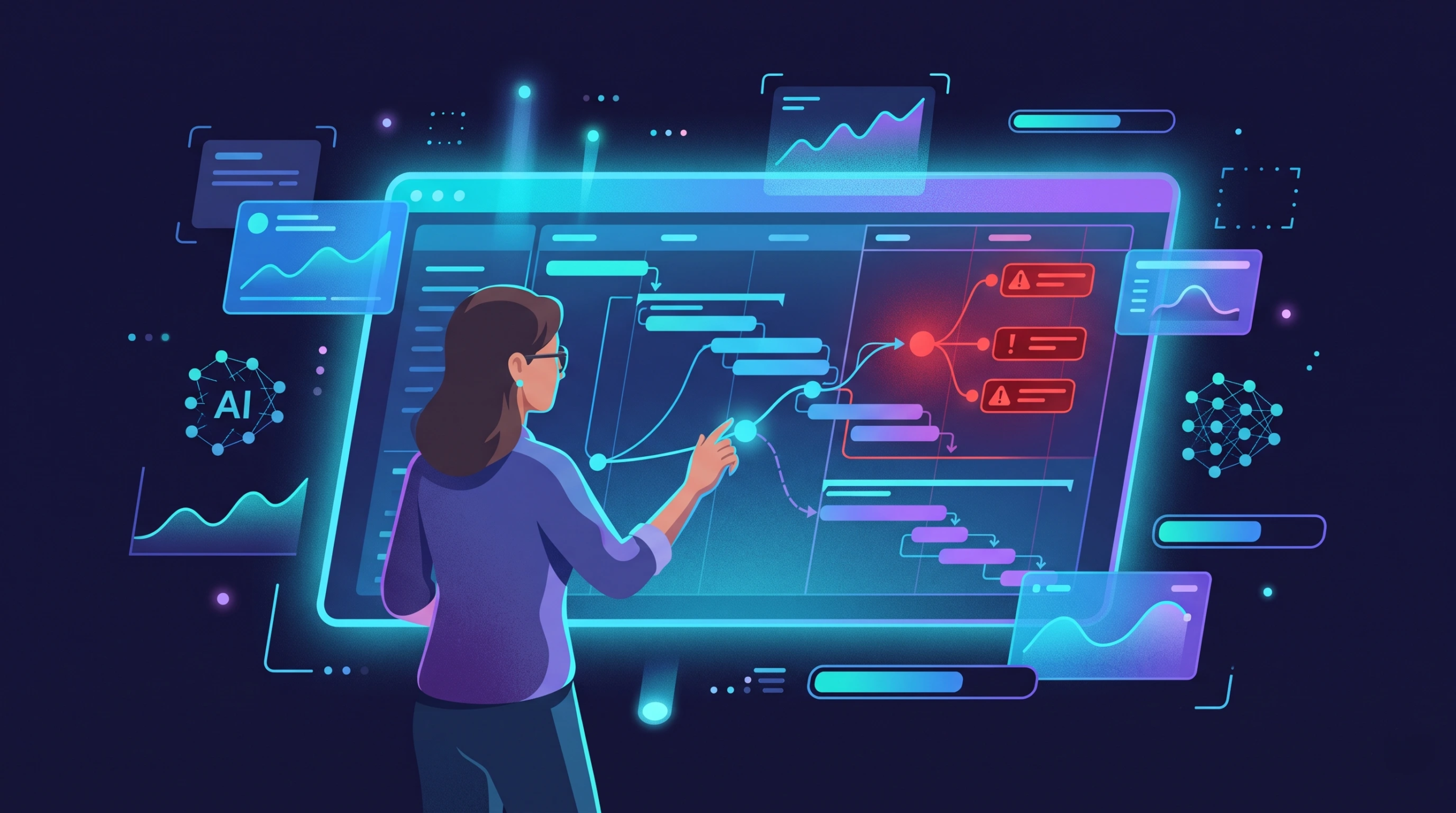
How to Use AI in Project Management: 10 Practical Workflows
saketpratapsinghdm2026-10-24T15:48:41+05:30October 24th, 2026|
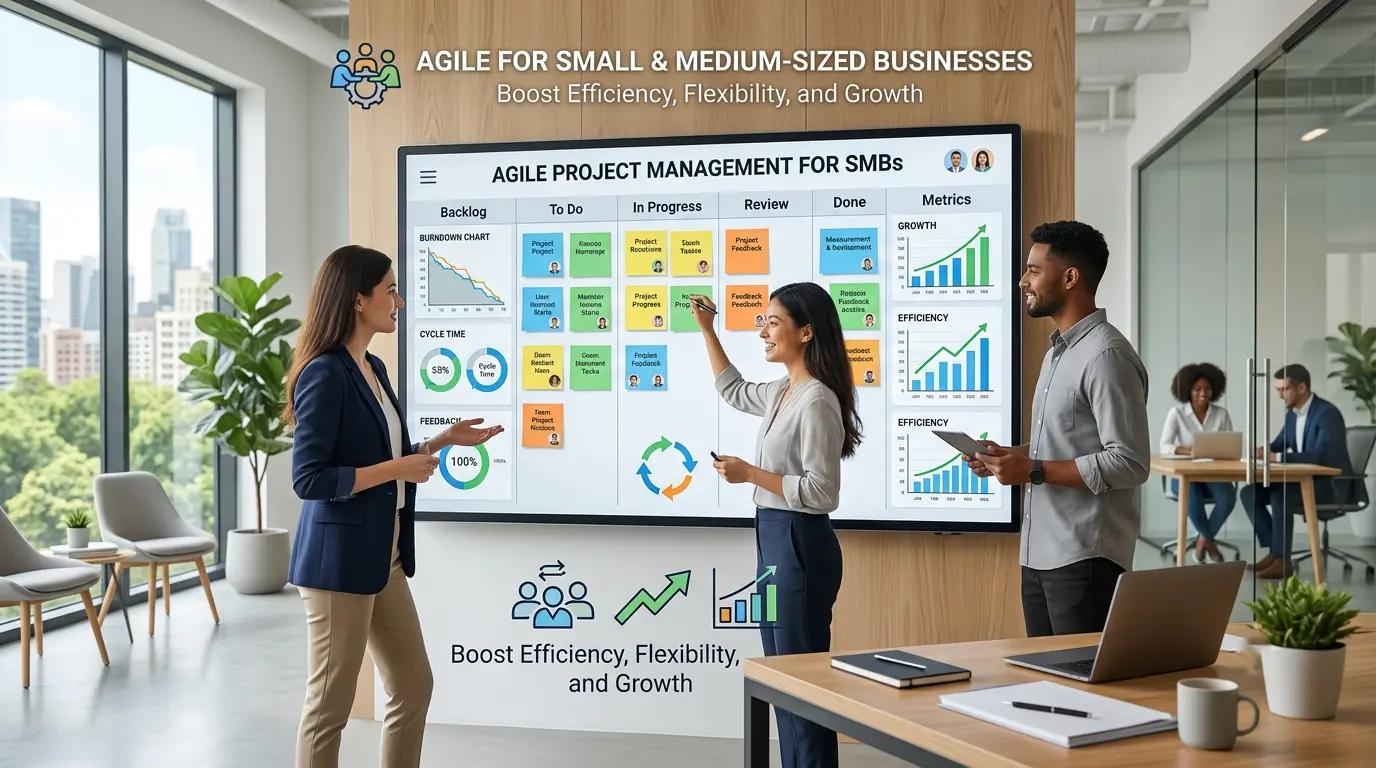
Benefits of Agile Project Management for Small and Medium-Sized Businesses
saketpratapsinghdm2026-09-28T10:12:30+05:30September 28th, 2026|

Work Breakdown Structure (WBS): The Complete PMP Guide, With a Worked Example
saketpratapsinghdm2026-09-21T16:48:15+05:30September 21st, 2026|
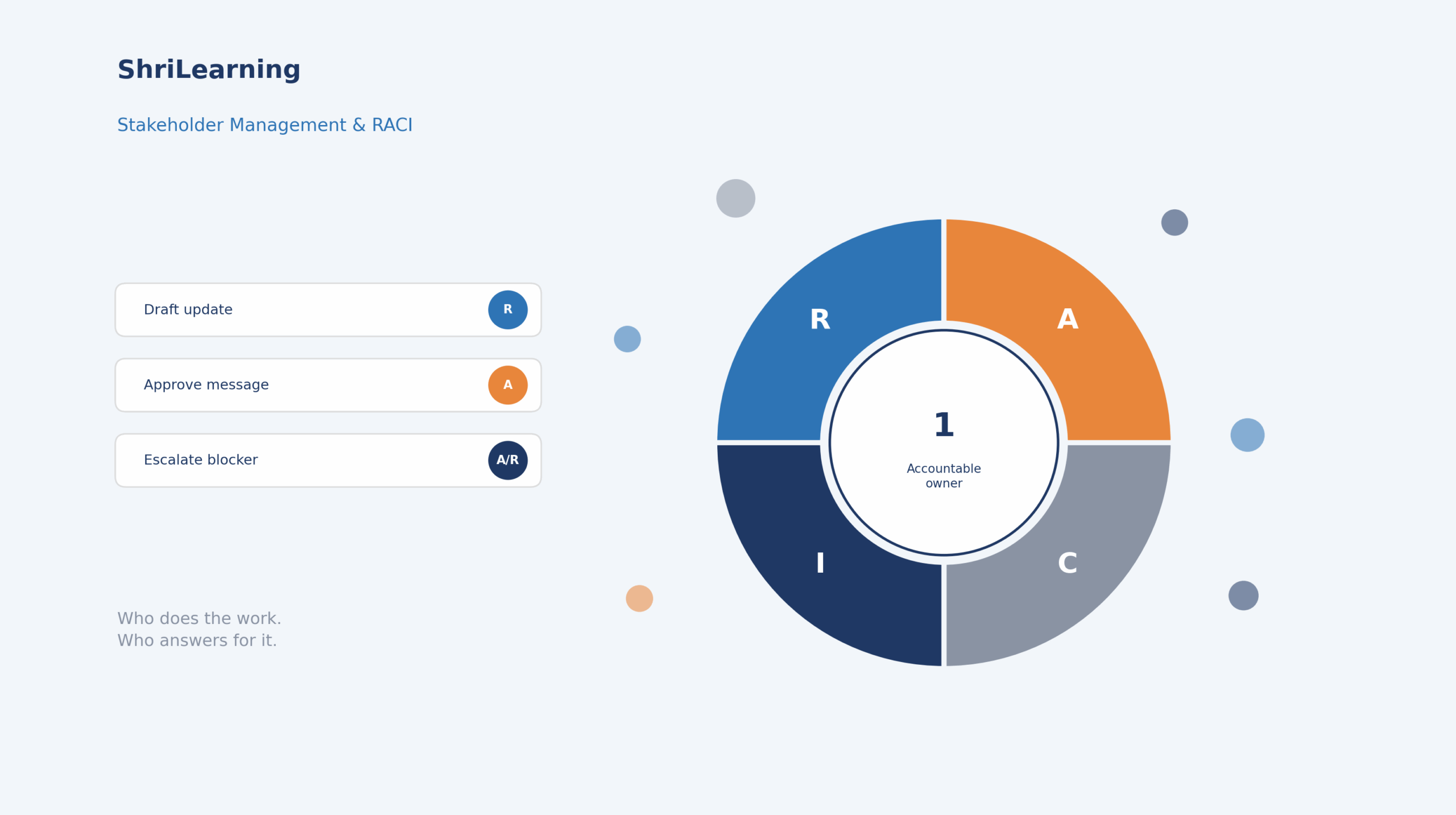
Stakeholder Management and RACI: The Complete PMP Guide (With a Worked Example)
saketpratapsinghdm2026-09-21T15:07:42+05:30September 21st, 2026|
How to Write a Problem Statement (With a PMP-Ready Template and Examples)
saketpratapsinghdm2026-09-21T14:42:27+05:30September 21st, 2026|

Earned Value Management: How to Actually Read CPI and SPI (Not Just Calculate Them)
saketpratapsinghdm2026-09-17T15:32:44+05:30September 17th, 2026|

Agile Practice Guide – Second Edition: What Changed, and What It Means for Your PMI-ACP Prep
saketpratapsinghdm2026-09-17T14:45:53+05:30September 17th, 2026|

Why the PMP People Domain Dropped to 33% (And How to Master It in 2026)
saketpratapsinghdm2026-08-27T21:18:31+05:30August 27th, 2026|