The AI Advantage: The Agile Activities You Can Automate to Reduce the Delivery Time
The AI Advantage: The Agile Activities You Can Automate to Reduce the Delivery Time
The specific agile activities you can automate to reduce the delivery time revolve around integrating Generative AI (GAI) into your daily SAFe and Scrum workflows. Artificial Intelligence is no longer an abstract, theoretical idea; it is a practical capability embedded directly into everyday business operations.
More agile teams are actively embracing AI to keep pace with evolving markets, react faster to customer needs, and provide greater value within significantly shorter delivery cycles.
However, determining which responsibilities should be delegated to AI is critical. Generative AI cannot substitute the critical thinking, creativity, or teamwork that drive agile success. Instead, incorporating AI-powered tools into your existing processes optimizes resource utilization by automating repetitive, administrative tasks.
According to Kaitlin Whitney, PhD, Senior Predictive Insights and Analytics Manager at Scaled Agile, research indicates that thoughtful AI adoption directly increases the number of objectives agile teams successfully achieve.
Whether you serve as a Product Owner, Product Manager, Scrum Master, or another SAFe practitioner, here are the exact methods for automating your work to enhance productivity and significantly reduce your delivery timelines.
Table of Contents
- Automating the SAFe Scrum Master Role
- Automating Product Owner & Product Manager Roles
- AI Applications for Agile Team Members
1. Automating the SAFe Scrum Master Role
SAFe’s application of increments and iterations provides a strong foundation for adopting rapidly evolving technologies. Maintaining a backlog involves constant, ongoing review and prioritization.
By automating these routine activities, Scrum Masters can stop managing spreadsheets and devote more attention to people-focused responsibilities, such as mentoring, eliminating obstacles, and enabling team success.
Key Activities to Automate:
- Backlog Refinement: AI-powered tools can automatically review the backlog to identify duplicate entries and flag incomplete user stories. They can instantly highlight stories that are excessively large and require further decomposition before sprint planning.
- Retrospective Analysis: AI can uncover patterns across several past retrospectives, recognizing recurring issues and monitoring whether your previous corrective actions actually resulted in measurable improvements.
- Performance Metrics Evaluation: AI can evaluate your dashboard to identify real-time trends related to cycle time, sprint velocity, and overall throughput, eliminating the need for manual data crunching.
2. Automating Product Owner & Product Manager Roles
Product Managers and Product Owners spend massive amounts of time translating raw customer data into actionable development tasks. Responsible AI serves as a powerful accelerator for this exact process.
By providing AI with your core value propositions, product details, user personas, limitations, and expected outcomes, you can instantly generate foundational documents that your product teams can then tailor and improve.
Key Activities to Automate:
- Customer Feedback Evaluation: Leverage AI-powered tools to instantly examine massive amounts of customer feedback, categorize recurring themes, and highlight actionable insights for the next sprint.
- User Story Creation: AI can produce the initial draft of user stories, complete with acceptance criteria, saving Product Owners hours of manual writing.
- Alignment Checks: AI solutions can review backlogs and user stories, automatically comparing them against product objectives, value propositions, and customer input to ensure total strategic alignment.
- Market Research: AI can assist in competitive research and social media monitoring, enabling product teams to stay informed about industry developments and refine their product launch strategies dynamically.
3. AI Applications for Agile Team Members
For the agile development team, responsible AI serves as a useful resource for eliminating administrative bottlenecks and improving the accuracy of sprint planning.
Through the evaluation of larger work items, AI can assist teams in defining technical requirements, recognizing key features and milestones, and identifying any critical activities that may have been missed during the initial estimation phase.
Key Activities to Automate:
- Epic Decomposition: AI can assist teams in rapidly breaking down massive, complex Epics into manageable, sprint-ready user stories.
- Effort Estimation: By condensing historical project information, AI can evaluate past performance data to help teams estimate effort and allocate story points much more accurately.
- Predictive Workloads: AI-driven tools can predict more accurate effort estimates based entirely on previous outcomes and the existing capacity of the team.
- Daily Administrative Tasks: In everyday operations, AI can save practitioners significant time by automatically creating meeting summaries, generating action items, condensing research materials, performing skills-gap assessments, and accelerating knowledge acquisition.
Stop Managing Tasks and Start Leading Teams
Organizations of every size are gaining a massive competitive edge by becoming AI-native. However, AI is just a tool. Without the right agile frameworks and leadership in place, automating a broken process simply means you will fail faster.
To achieve positive outcomes, teams must clearly understand where and when Generative AI delivers the most value while strictly following proven agile practices.
Are you ready to optimize your agile workflows and master the frameworks required to lead AI-driven teams? Join the ShriLearning Mentorship Program today, and learn how to translate modern technology into real-world delivery success.
Keep advancing in your PMP journey — explore our other in-depth guides
- 2026 PMP Exam Changes: The “Practicum” Revolution & Why 4 Hours Changes Everything
- The 5 Scrum Events Explained: Purpose, Attendees, and Effective Execution
- Why PMP Aspirants Fail? – And How to Avoid Them
- Why You Should Track Your Errors — and How to Do It Right
Your first project is calling—will you answer? Join the ShriLearning Community Connect with fellow PMP aspirants and expert instructors. Crete your study plan for free from ShriLearning study-plan-generator.
FAQs
More for you
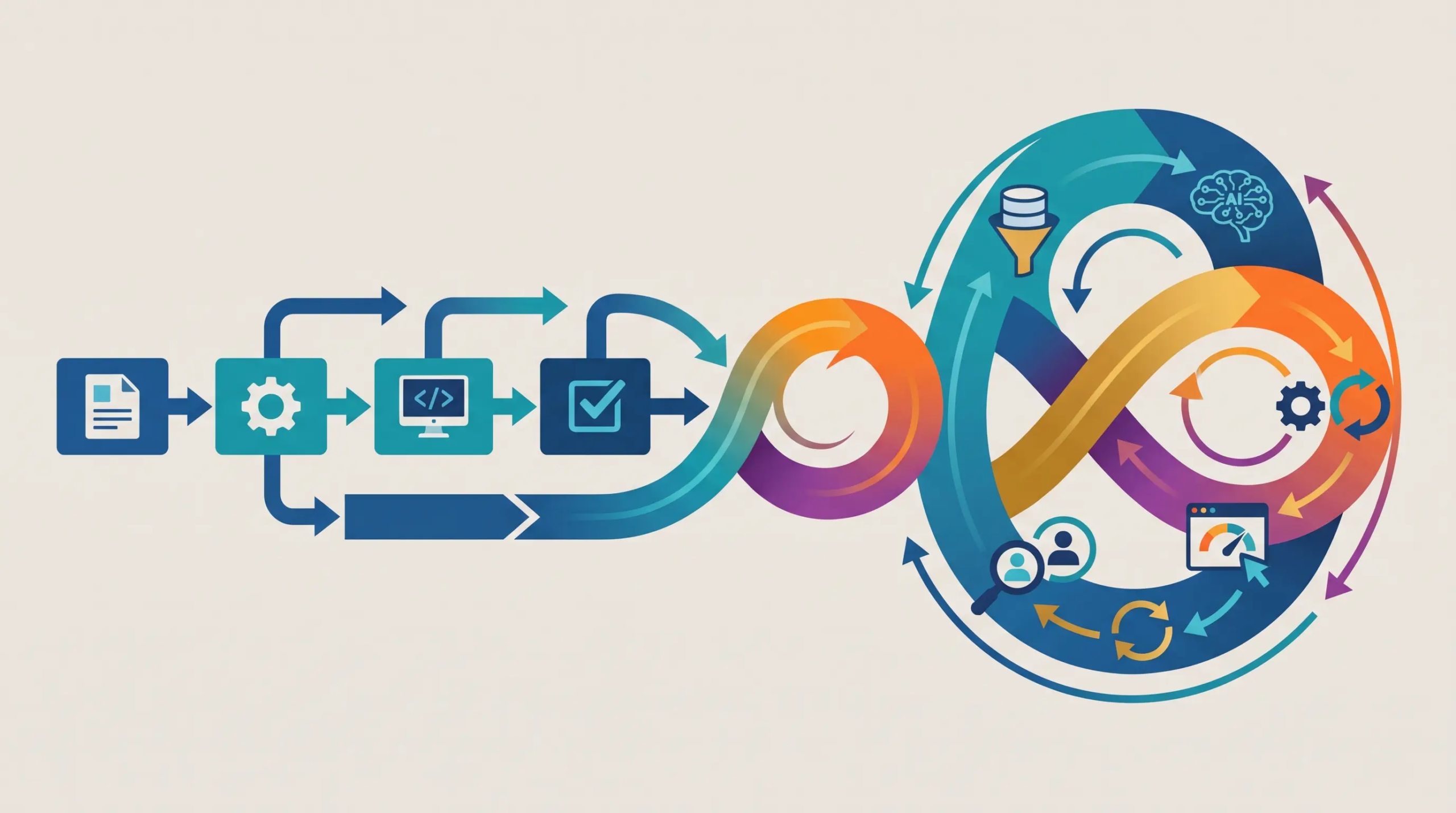

6 Phases to Run a Successful AI Project
saketpratapsinghdm2026-10-25T15:57:35+05:30October 25th, 2026|

How to Transition From Project Manager to PMO Leader
saketpratapsinghdm2026-10-25T14:09:58+05:30October 25th, 2026|

Sustainable AI Starts with Trustworthy AI: A 2026 Guide for Project Managers
saketpratapsinghdm2026-10-24T17:34:12+05:30October 24th, 2026|

Leading Teams Through Change: How Project Managers Can Drive Successful Transformation in 2026
saketpratapsinghdm2026-10-24T16:59:20+05:30October 24th, 2026|
How to Use AI in Project Management: 10 Practical Workflows
saketpratapsinghdm2026-10-24T15:55:17+05:30October 24th, 2026|
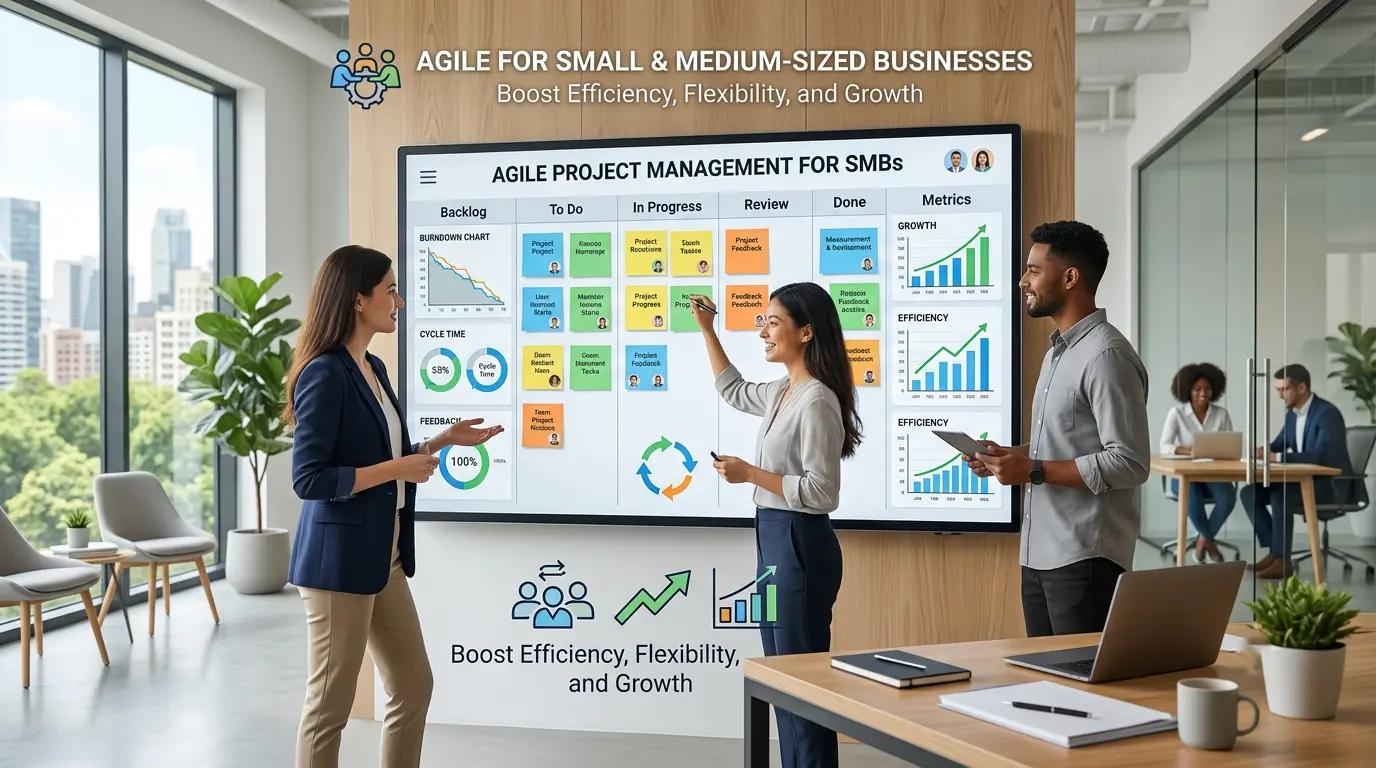
Benefits of Agile Project Management for Small and Medium-Sized Businesses
saketpratapsinghdm2026-09-28T10:12:30+05:30September 28th, 2026|

Work Breakdown Structure (WBS): The Complete PMP Guide, With a Worked Example
saketpratapsinghdm2026-09-21T16:48:15+05:30September 21st, 2026|
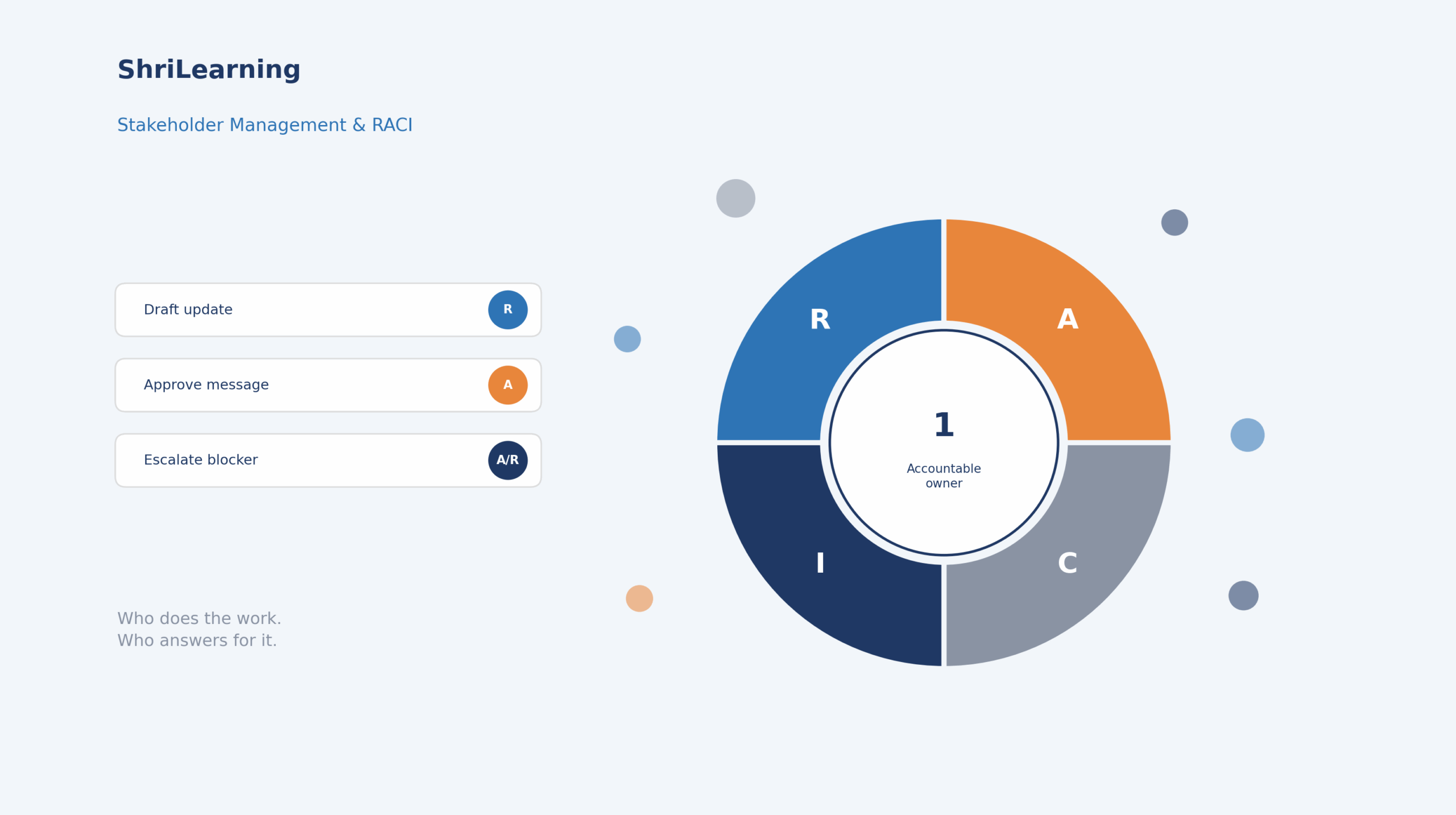
Stakeholder Management and RACI: The Complete PMP Guide (With a Worked Example)
saketpratapsinghdm2026-09-21T15:07:42+05:30September 21st, 2026|