What Behavioral Science Reveals About Why Change Efforts Fail
What Behavioral Science Reveals About Why Change Efforts Fail
Companies do not fail at change because they lack ambition. They fail because they fundamentally misunderstand human behavior.
For over half a century, research has highlighted a grim reality: the vast majority of organizational transformations stall. Budgets are drained. Teams burn out. And the old habits quietly creep back into the daily routine. But why?
Recent insights from behavioral science—including discussions by experts like Boston Consulting Group’s Julia Dhar on The Shift Code podcast—reveal that the problem is not the strategy. The problem is execution. Leaders underestimate what change actually requires: helping everyday people adopt new behaviors consistently.
Here is a brutal look at why change efforts fail and how modern project leaders can actually make transformation stick.
1. The Strategy vs. Behavior Trap
Change does not happen when a slick PowerPoint is presented to the board. It happens when an employee logs in on Tuesday and does their job differently.
That distinction is where most organizations trip up.
Leadership teams often invest heavily in the “what” and the “why.” They build the business case, align the executives, and draft detailed Gantt charts. By the time the rollout phase hits, the leaders feel the hardest work is over. In reality, the hard work is just beginning. Teams are left to translate high-level strategy into daily behavior without the necessary support, prioritization, or accountability.
2. False Alignment
A massive source of friction in any transformation is “false alignment.”
Picture this: A team leaves a two-hour kickoff meeting. Everyone nodded. Everyone smiled. But secretly, they all hold completely different assumptions about who actually owns the next steps.
True agreement demands aggressive specificity. Who is doing what? What exactly are the new decision rights? Without that absolute clarity, an organization might move fast, but it will move in six different directions.
Related Read: Want to fix this at the team level? Review the framework in Mastering Collaboration Within a Team.
3. The Power of Agency Over Involvement
Many companies think they are managing change well because they send out weekly email blasts and host town halls.
Being informed is not the same as having influence.
People value what they help build. Think of it as the organizational version of assembling IKEA furniture. If you want employees to own the change, give them agency. This does not mean everyone gets veto power. It means intentionally carving out space for individuals to make choices about how the new changes fit into their specific day-to-day workflow.
4. Momentum Beats Motivation
Change fatigue is usually treated as an unavoidable side effect of corporate life. It isn’t. It is a momentum problem.
When people cannot see progress, they quit. Why change efforts fail often comes down to a lack of rituals. Successful transformations rely on routines that sustain focus long after the launch party.
That might be a weekly 15-minute transformation huddle that never gets canceled. It might be opening every status meeting by calling out one operational win. When those rhythms die, the team absorbs a silent message: This initiative is no longer a priority.
5. Telling the Wrong Story
Leaders typically frame change in one of three ways:
- Threat: Change or we go bankrupt.
- Fitness: We need to get faster and leaner at what we already do.
- Destiny: We are becoming the company we were always meant to be.
The biggest mistake? Choosing the wrong narrative.
Leaders love default “destiny” stories. They sound great in press releases. But if the actual project is just a software migration to cut costs, calling it a “destiny shift” creates instant cynicism. Most transformations are simply “fitness” stories. Being brutally honest about that builds instant credibility with the workforce.
Deep Dive: Misaligned narratives ruin projects. See more examples in Why Do Some Projects Fail?
6. Process Should Protect People
There is a false war between “people” and “process.”
The best processes exist solely to support human performance. They remove friction. They make decisions easier. Even the most elite, highly trained pilots in the world use pre-flight checklists. Not because they lack skill, but because a good process makes complex work safer and easier to execute.
As organizations introduce AI and automation into the workplace, the goal is not to eliminate process. The goal is to design processes that make it impossible for people to fail.
Keep advancing in your PMP journey — explore our other in-depth guides
- PMP Exam Updates in 2026: What is Actually Altering with the PMBOK® Guide – 8th Edition | ShriLearning
- The PMP Formulas Cheat Sheet 2026: The Only Math You Actually Need
- The 5 Scrum Events Explained: Purpose, Attendees, and Effective Execution
- Why PMP Aspirants Fail? – And How to Avoid Them
- Why You Should Track Your Errors — and How to Do It Right
Your first project is calling—will you answer? Join the ShriLearning Community Connect with fellow PMP aspirants and expert instructors. Crete your study plan for free from ShriLearning study-plan-generator.
FAQs
More for you

How to Use AI in Project Management: 10 Practical Workflows
saketpratapsinghdm2026-10-24T15:48:41+05:30October 24th, 2026|
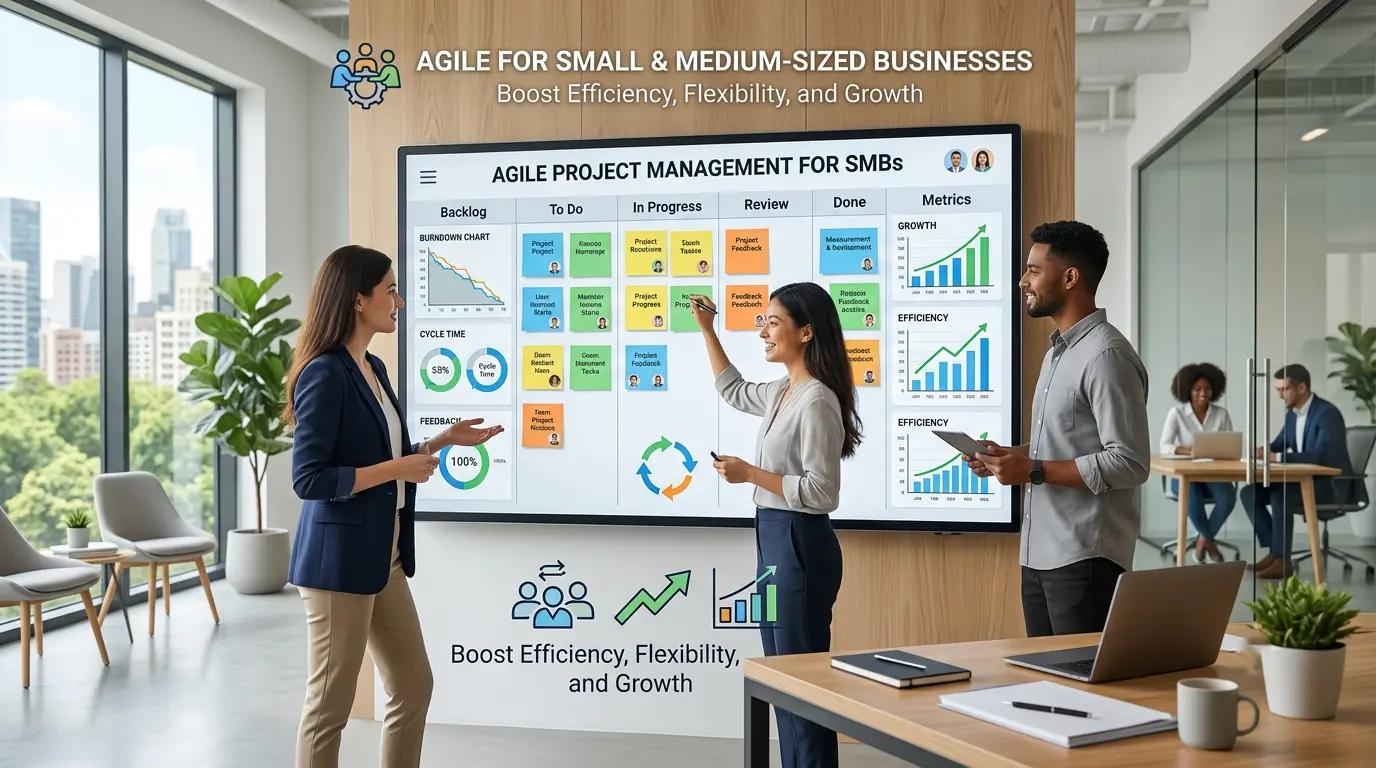
Benefits of Agile Project Management for Small and Medium-Sized Businesses
saketpratapsinghdm2026-09-28T10:12:30+05:30September 28th, 2026|

Work Breakdown Structure (WBS): The Complete PMP Guide, With a Worked Example
saketpratapsinghdm2026-09-21T16:48:15+05:30September 21st, 2026|
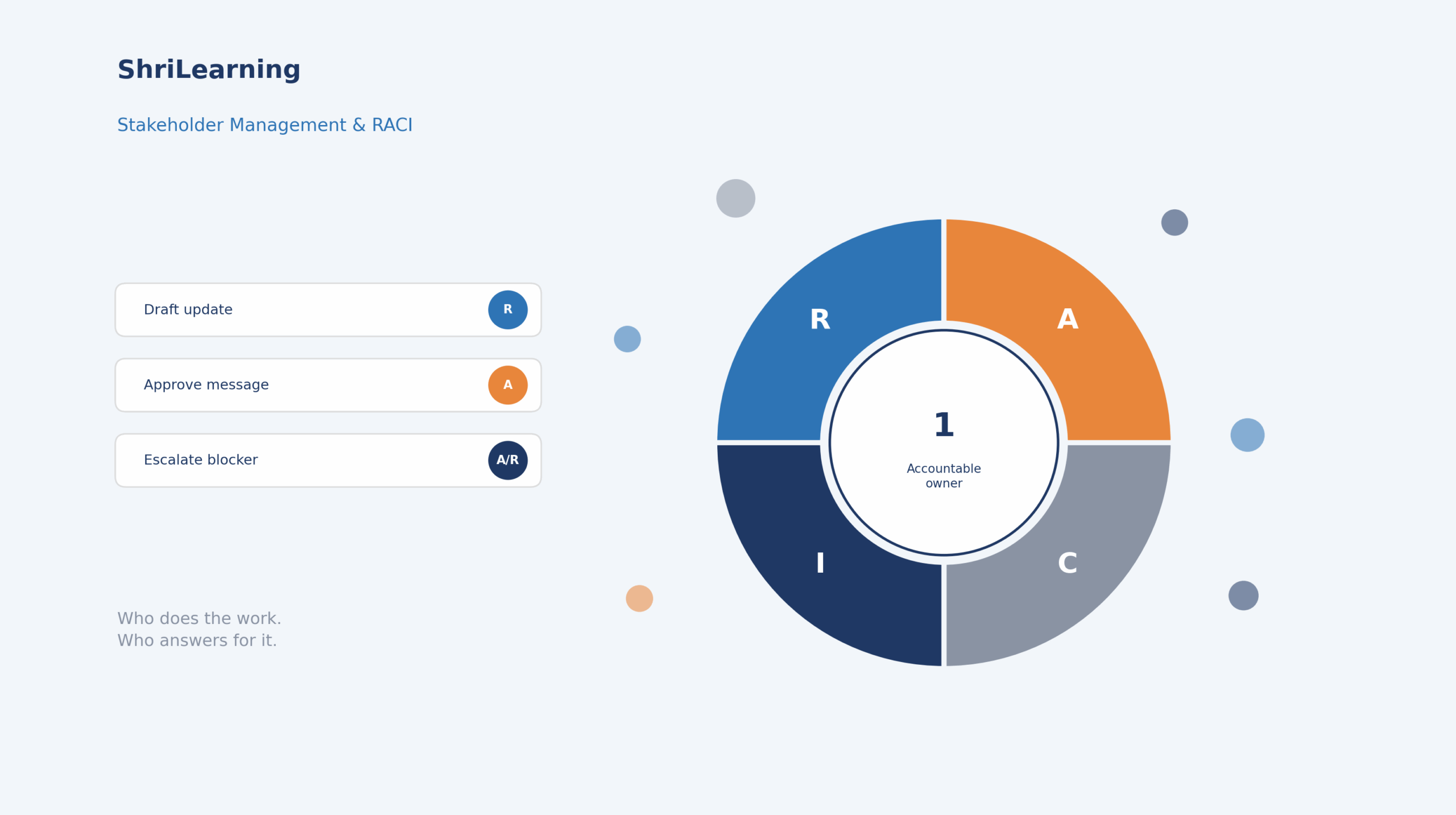
Stakeholder Management and RACI: The Complete PMP Guide (With a Worked Example)
saketpratapsinghdm2026-09-21T15:07:42+05:30September 21st, 2026|
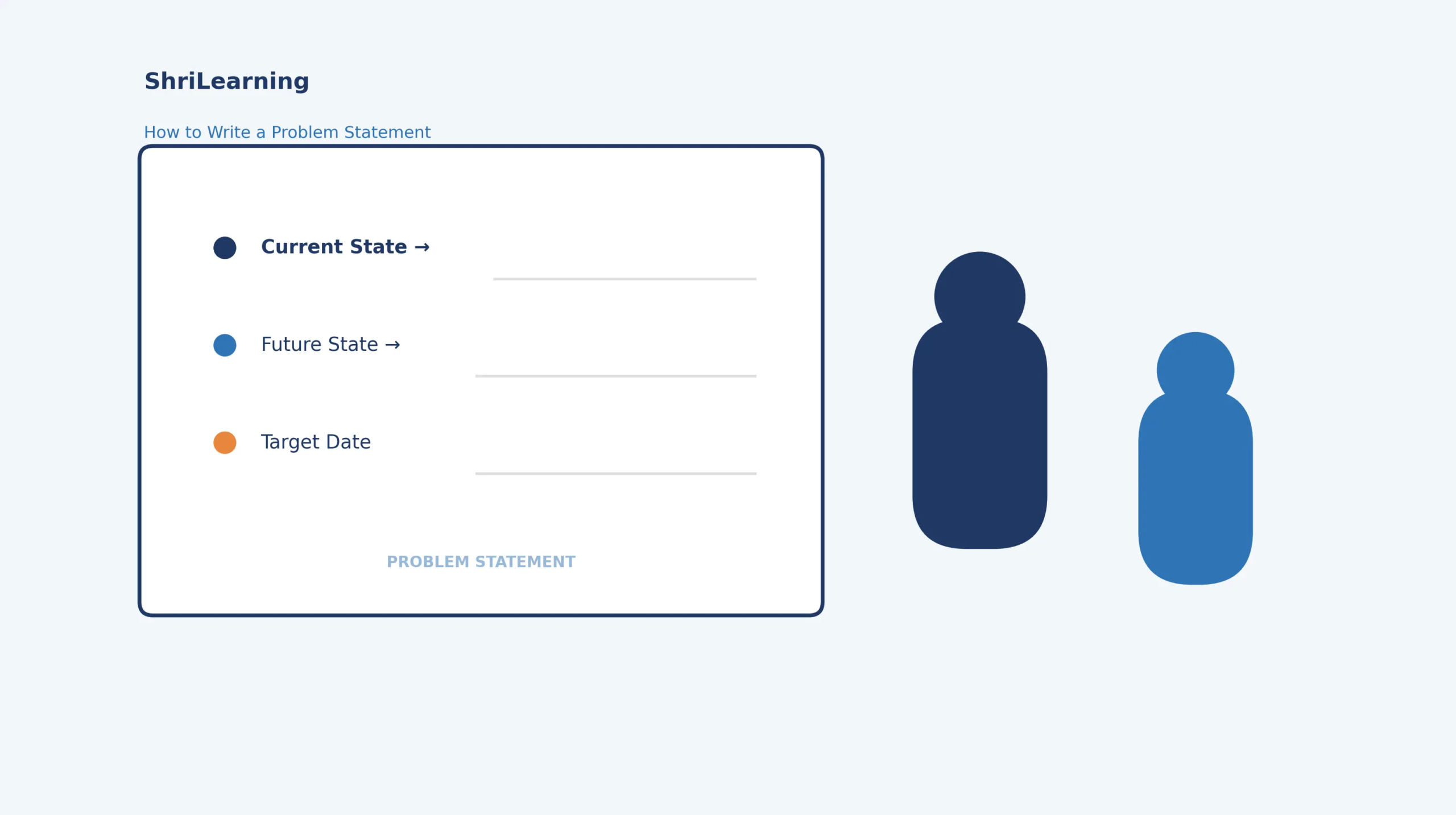
How to Write a Problem Statement (With a PMP-Ready Template and Examples)
saketpratapsinghdm2026-09-21T14:42:27+05:30September 21st, 2026|

Earned Value Management: How to Actually Read CPI and SPI (Not Just Calculate Them)
saketpratapsinghdm2026-09-17T15:32:44+05:30September 17th, 2026|

Agile Practice Guide – Second Edition: What Changed, and What It Means for Your PMI-ACP Prep
saketpratapsinghdm2026-09-17T14:45:53+05:30September 17th, 2026|

Why the PMP People Domain Dropped to 33% (And How to Master It in 2026)
saketpratapsinghdm2026-08-27T21:18:31+05:30August 27th, 2026|