The Importance of Project Management Experience for PMP Certification
The Importance of Project Management Experience for PMP Certification
Project management is a field that demands not only knowledge but real-world experience. For those aspiring to become certified as a Project Management Professional (PMP), gaining project management experience is more than just a requirement—it’s the foundation of successful certification and an asset in any project management role. PMP certification by the Project Management Institute (PMI) is recognized globally and designed to validate a project manager’s skills, but it’s not achievable without hands-on experience in managing projects.
This guide explores why PMP project management experience is essential, how it enhances your project management knowledge, and practical ways to gain the required experience for certification.
Why Project Management Experience is Crucial for PMP Certification
1. PMP Certification Requirements Include Experience Hours
- PMI requires candidates to have significant project management experience to be eligible for the PMP certification. These requirements include:
- For Bachelor’s Degree Holders: 36 months of non-overlapping project management experience.
- For Non-Degree Holders: 60 months of non-overlapping project management experience.
- This experience requirement ensures that PMP-certified professionals have demonstrated the ability to lead and direct projects before certification. For a comprehensive overview of certification criteria, see our PMP Certification Guide.
2. Experience Bridges the Gap Between Theory and Practice
- Project management is a hands-on field that involves applying various methodologies, managing risks, and aligning projects with organizational goals. PMP project management experience helps you bridge the gap between theoretical concepts, such as those in the PMBOK® Guide, and real-life application.
- When you face real project challenges, such as time constraints, budget issues, or scope changes, your experience equips you to navigate these challenges, making you a stronger and more adaptable project manager.
3. Develops Key Skills Needed to Pass the PMP Exam
- The PMP exam covers multiple aspects of project management, including planning, scheduling, budgeting, and team management. Having direct experience in these areas gives you a deeper understanding of the PMP exam content and helps you retain essential knowledge.
- Familiarity with real-world scenarios also prepares you for situational questions, which make up a significant portion of the PMP exam. For tips on the exam, check out How to Pass the PMP Exam on Your First Attempt.
4. Builds Confidence and Enhances Decision-Making Abilities
- Experience not only builds your skill set but also boosts your confidence in managing projects. PMP-certified professionals are expected to make critical decisions under pressure, and experience helps you hone this skill.
- Whether you’re handling stakeholder concerns, managing budgets, or adjusting timelines, prior experience strengthens your problem-solving abilities, enabling you to make informed decisions that drive project success.
5. Experience Helps with Networking and Industry Knowledge
- Gaining project management experience also connects you to other professionals in the field. Networking with experienced project managers can provide valuable insights, mentorship, and even guidance on how to prepare for PMP certification.
- Many organizations have internal project management communities or participate in PMI’s global community. Engaging in these networks can provide you with study resources, job insights, and support as you work toward certification.
How to Gain Project Management Experience for PMP Certification
If you’re interested in becoming a project manager but lack the required experience, here are some practical steps to start building it:
1. Seek Out Project-Related Responsibilities in Your Current Role
- Many roles involve aspects of project management, such as planning, organizing, and coordinating tasks. Start by identifying project-related tasks in your current position and take on additional responsibilities to expand your skills.
- For example, volunteer to lead a team project or help with budgeting or scheduling tasks. These smaller projects can help you build experience over time and prepare you for larger roles in the future.
2. Apply for Entry-Level Project Management Roles
- Positions like Project Coordinator or Assistant Project Manager are excellent for gaining project management experience. These roles often involve supporting senior project managers, helping you learn firsthand about the processes, tools, and techniques they use.
- Working in an entry-level position allows you to gain valuable insights and practice foundational project management skills, such as creating schedules, communicating with stakeholders, and tracking project progress.
3. Take Advantage of Project Management Internships
- Internships in project management or related fields can provide you with practical experience and connections in the industry. Many companies offer internship programs where you can work on actual projects under the guidance of experienced project managers.
- Internships allow you to work with cross-functional teams, learn industry-specific project management practices, and gain the hours you need to eventually meet PMP eligibility requirements.
For those just starting, explore How to Be a Project Manager for a beginner’s guide on entering the field and building your experience.
Additional Resources to Help You Gain Project Management Experience
1. Professional Project Management Courses and Workshops
- Training programs like PMP bootcamps and project management workshops offer real-world scenarios, case studies, and team exercises to build your project management experience. These programs can complement your work experience and prepare you for the PMP exam.
- ShriLearning offers a range of project management courses designed to give you practical insights and simulated experiences, helping you develop the skills needed to advance in your career.
2. Volunteer for Nonprofit Projects
- Many nonprofit organizations require project managers to lead initiatives and manage resources. Volunteering for such projects can provide you with valuable experience, especially in planning and budgeting.
- Nonprofit projects are also a great way to practice leadership skills and gain PMP project management experience in a low-stakes environment while contributing to a meaningful cause.
3. Leverage Online Project Management Simulators
- Online project management simulators are tools that allow you to practice managing projects in a virtual setting. They provide scenarios where you can apply techniques such as scheduling, resource allocation, and risk management.
- While simulators aren’t a substitute for real-life experience, they offer an opportunity to hone your skills and gain confidence. Many PMP preparation platforms offer simulators to help you practice these essential skills.
For more on affordable ways to prepare, see Top 8 Free PMP Certification Resources You Can Use Right Now.
How Project Management Experience Contributes to PMP Exam Success
-
Strengthens Understanding of PMBOK Guide Concepts
- The Exam Content Outline (ECO) and the PMBOK® Guide (currently in its 8th Edition) act as the cornerstones of the PMP exam, covering domains and processes like risk management, cost estimation, and stakeholder engagement. PMP project management experience helps you understand these concepts in depth, making it easier to answer exam questions.
- Studying alone may cover theory, but real experience enables you to grasp how these processes unfold in actual projects, which is crucial for tackling situational exam questions.
-
Improves Critical Thinking and Analytical Skills
- Project management requires ongoing problem-solving, decision-making, and strategic thinking. By handling real projects, you develop these skills, which are essential for both project management and PMP exam preparation.
- Analytical skills help you evaluate project data, anticipate potential risks, and understand the broader impact of project decisions. These skills give you an advantage in the PMP exam, where strategic thinking is often tested.
-
Boosts Retention of Key Concepts for the Exam
- Real-life experience reinforces your understanding of key project management principles. This hands-on knowledge helps you retain information, making it easier to recall concepts during the exam.
- Engaging in project management experience regularly makes concepts like earned value management, project scope, and stakeholder engagement second nature, which can be beneficial on exam day.
For tips on exam prep strategies, explore our article on How to Pass the PMP Exam on Your First Attempt.
Conclusion
For those looking to earn a PMP certification, gaining project management experience is not just a requirement but a stepping stone toward becoming a well-rounded project manager. Experience enhances your understanding of project management principles, equips you with valuable skills, and positions you as a strong candidate for certification.
If you’re ready to advance in your project management journey, ShriLearning offers a variety of resources to help you gain the experience and knowledge needed to succeed. From courses and workshops to career counseling, we support you every step of the way. Click here to learn more about our PMP certification training and start building your path to certification success today!
Keep advancing in your PMP journey — explore our other in-depth guides:
- Is PMP Certification Right for You? How to Decide in 2026
- PMP Audit Process 2026: Triggers, Timelines, and How to Survive
- 2026 PMP Exam Changes: What’s Actually Different
- PMP Certification Cost Breakdown for 2026
Your first project is calling—will you answer? Join the ShriLearning Community Connect with fellow PMP aspirants and expert instructors. Create your study plan for free from ShriLearning study-plan-generator.
FAQs
More for you

How to Use AI in Project Management: 10 Practical Workflows
saketpratapsinghdm2026-10-24T15:48:41+05:30October 24th, 2026|
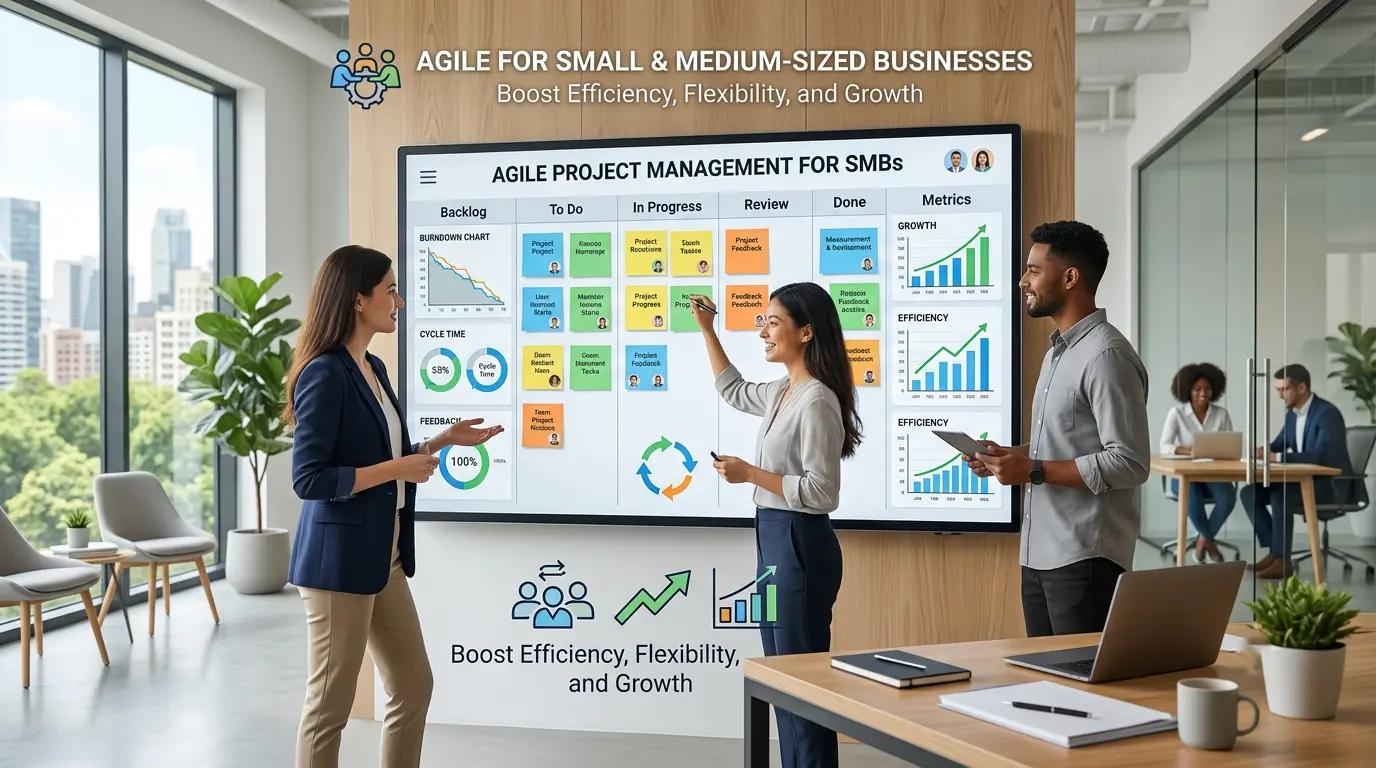
Benefits of Agile Project Management for Small and Medium-Sized Businesses
saketpratapsinghdm2026-09-28T10:12:30+05:30September 28th, 2026|

Work Breakdown Structure (WBS): The Complete PMP Guide, With a Worked Example
saketpratapsinghdm2026-09-21T16:48:15+05:30September 21st, 2026|
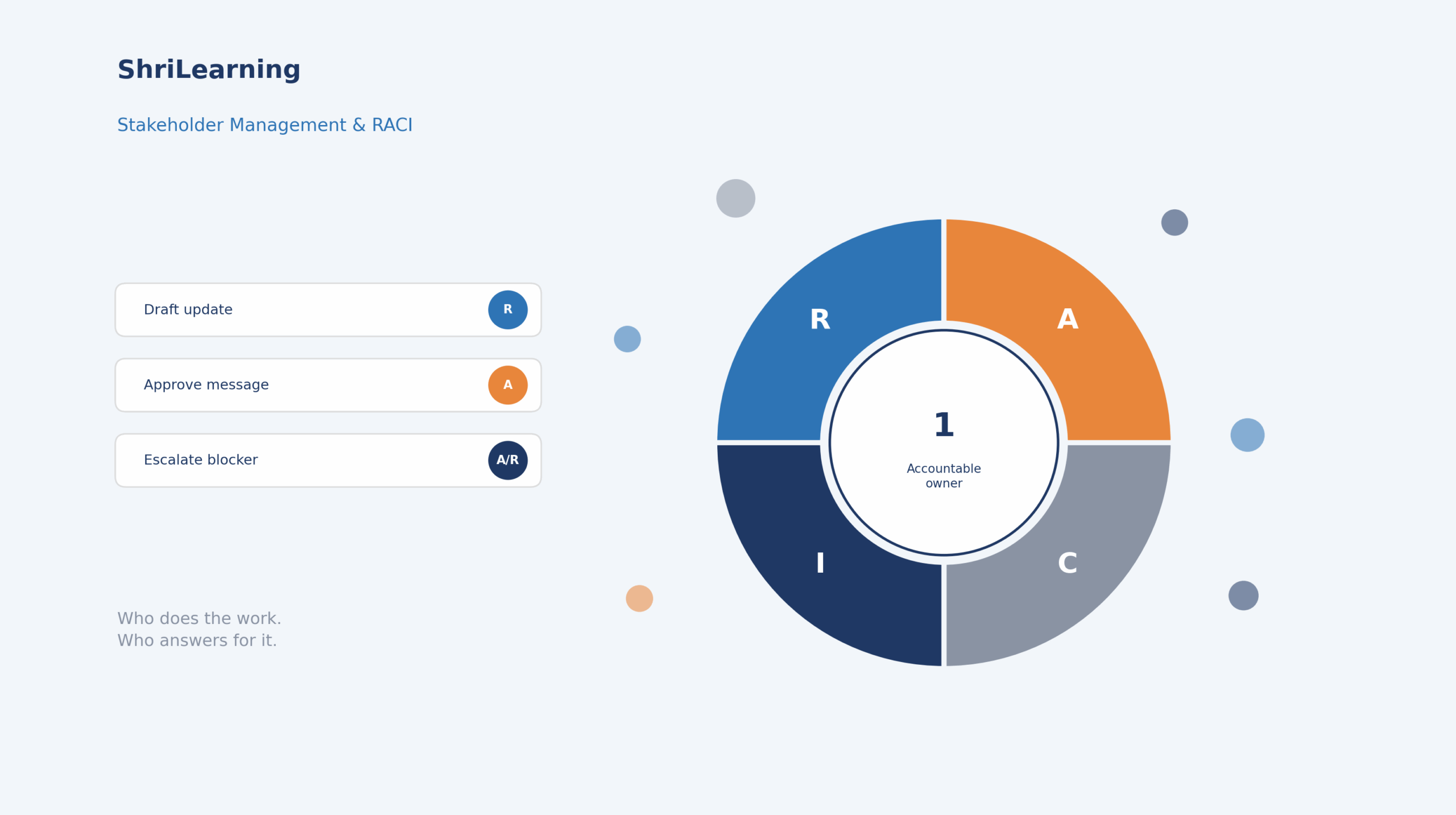
Stakeholder Management and RACI: The Complete PMP Guide (With a Worked Example)
saketpratapsinghdm2026-09-21T15:07:42+05:30September 21st, 2026|
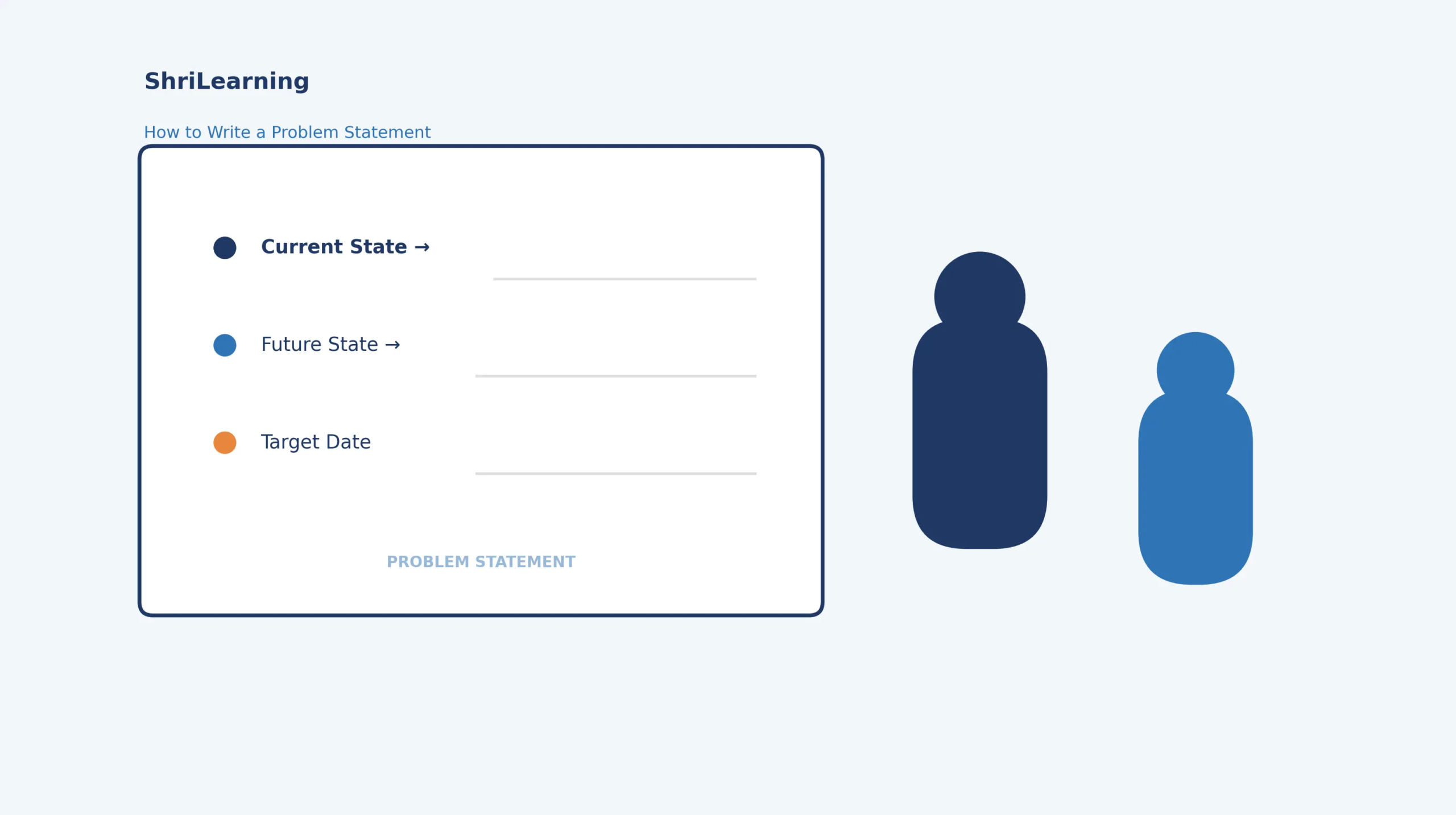
How to Write a Problem Statement (With a PMP-Ready Template and Examples)
saketpratapsinghdm2026-09-21T14:42:27+05:30September 21st, 2026|

Earned Value Management: How to Actually Read CPI and SPI (Not Just Calculate Them)
saketpratapsinghdm2026-09-17T15:32:44+05:30September 17th, 2026|

Agile Practice Guide – Second Edition: What Changed, and What It Means for Your PMI-ACP Prep
saketpratapsinghdm2026-09-17T14:45:53+05:30September 17th, 2026|

Why the PMP People Domain Dropped to 33% (And How to Master It in 2026)
saketpratapsinghdm2026-08-27T21:18:31+05:30August 27th, 2026|