Kanban vs. Scrum: The Definitive Comparison of Roles, Cadence, and Metrics
Kanban vs. Scrum: The Definitive Comparison of Roles, Cadence, and Metrics
It was not long ago that the software industry was dominated entirely by the rigid phases of the Waterfall model. While effective for construction and manufacturing, it struggled to keep pace with the volatile nature of software development. Over the last two decades, the “Agile Revolution” has shifted the paradigm, introducing adaptive methodologies that prioritize customer value over contract negotiation.
However, within the Agile umbrella, two distinct giants have emerged: Scrum and Kanban.
While Scrum has become the poster child for Agile with its structured roles and Sprints, Kanban has quietly dominated the world of operations and continuous delivery. For a Project Manager in 2026, understanding the difference is not just academic—it is a requirement for the PMP Exam.
Let’s begin with the differentiation table of Kanban and Scrum!
Kanban vs. Scrum Framework
Find out the vital differences between these two Agile powerhouses in the comparison table below:
| Parameter | Scrum | Kanban |
| 1. Cadence of Delivery | Operates in fixed timeboxes known as Sprints (usually 2 weeks). | Operates on a Continuous Flow model; delivery happens when ready. |
| 2. Roles & Responsibilities | Prescriptive roles: Product Owner, Scrum Master, Developers. | No prescribed roles; respects current titles and roles. |
| 3. Key Metric | Velocity (Story Points per Sprint). | Cycle Time (Time from “In Progress” to “Done”) and Throughput. |
| 4. Change Philosophy | No changes allowed during the Sprint (Scope is frozen). | Changes allowed at any time, provided WIP limits are respected. |
| 5. Workflow Control | Limits work implicitly via Sprint Planning capacity. | Limits work explicitly via WIP (Work In Progress) Limits. |
| 6. Estimation | Required (Story Points/Planning Poker). | Optional; focuses on right-sizing flow rather than estimation. |
| 7. Reset Mechanism | The board is reset after every Sprint. | The board is persistent; it never resets. |
| 8. Primary Focus | Cross-functional alignment and structured iteration. | Process efficiency and reducing waste (Lean). |
What is the meaning of Scrum?
As per the Scrum Guide, Scrum is a lightweight framework that helps people, teams, and organizations generate value through adaptive solutions for complex problems. It is arguably the most structured of the Agile methodologies.
Scrum relies on an empirical process control theory, or empiricism. It asserts that knowledge comes from experience and making decisions based on what is observed. It utilizes an iterative, incremental approach to optimize predictability and control risk.
The Three Pillars of Scrum:
- Transparency: Significant aspects of the process must be visible to those responsible for the outcome.
- Inspection: Scrum users must frequently inspect Scrum artifacts and progress toward a Sprint Goal.
- Adaptation: If an inspector determines that one or more aspects of a process deviate outside acceptable limits, the process or the material being processed must be adjusted.
Scrum is built on a “Push/Pull” hybrid. The team pulls work from the Product Backlog into the Sprint Backlog, but once the Sprint starts, that work is “pushed” through to completion within the timebox.
What is the meaning of Kanban?
Originating from the Toyota Production System (TPS) and Lean Manufacturing, the meaning of Kanban is “Visual Signal” or “Card.” Unlike Scrum, which is a framework for management, Kanban is a method for process improvement.
Kanban is less about “doing Agile” and more about “becoming efficient.” It focuses on visualizing the entire value stream and eliminating bottlenecks.
The Core Practices of Kanban:
- Visualize the Workflow: Making work visible on a board so that blockers are instantly apparent.
- Limit Work in Progress (WIP): This is the heart of Kanban. By restricting how many items can be in the “Doing” column, you force the team to finish work before starting new work. “Stop Starting, Start Finishing.”
- Manage Flow: Monitoring the speed and smoothness of items moving through the system.
- Make Process Policies Explicit: Defining clear criteria for when a task can move from “Code” to “Test.”
Differentiation Between Scrum and Kanban
The primary variation between Scrum and Kanban lies in their approach to Constraints. Let us understand them deeply.
1. Scrum vs Kanban: The Constraint of Time vs. Capacity
Scrum constrains Time. It says, “We have 2 weeks. How much work can we fit into this time?” If work is not finished, the Sprint “fails” (or rolls over), and the team reflects on why.
Kanban constrains Capacity. It says, “We have 3 developers. We can only handle 3 tasks at once.” It does not care if a task takes 1 day or 3 weeks, as long as the flow continues.
2. Scrum vs Kanban: Dealing with Urgent Changes
This is a critical distinction for the Business Environment domain.
- Scrum: If an urgent request comes in during a Sprint, the Scrum Master blocks it. “Put it in the Product Backlog, and we will prioritize it for next Sprint.” This protects the team’s focus.
- Kanban: If an urgent request comes in, it can be pulled into the “To Do” column immediately, as long as there is an open slot in the WIP limit. This makes Kanban superior for Support and Operations teams.
3. Scrum vs Kanban: The Metrics of Success
- Scrum uses Velocity: “We completed 40 points last sprint.” This helps in long-term capacity planning.
- Kanban uses Cycle Time: “It takes us average 4.2 days to fix a bug.” This helps in setting Service Level Agreements (SLAs) with customers.
Important Roles in the Scrum Framework
Scrum mandates three specific roles to ensure the integrity of the process:
- The Product Owner: The “Value Maximizer.” They are responsible for ordering the Product Backlog and ensuring the development team works on the most valuable features first.
- The Scrum Master: The “Servant Leader.” They are not a boss but a coach. They remove impediments (blockers) and ensure the team adheres to Scrum theory. (See our guide on Scrum Master Career Paths).
- The Developers: The cross-functional professionals who do the hands-on work. There are no sub-titles (like “Tester” or “Architect”) in a Scrum Team; everyone is a Developer.
“Roles” in the Kanban Method
Unlike Scrum, Kanban does not prescribe roles. It respects the existing organizational structure.
- No “Kanban Master”: The responsibility of managing flow belongs to the entire team.
- The “Service Delivery Manager” (Optional): In mature Kanban implementations, a Service Delivery Manager may be appointed to facilitate the Flow meetings and review metrics, but this is not mandatory.
Planning and Events
Scrum Events (Ceremonies)
Scrum has five formal events to create regularity:
- The Sprint: A container for all other events (1-4 weeks).
- Sprint Planning: Defining what can be done and how it will be done.
- Daily Scrum: A 15-minute sync for the Developers.
- Sprint Review: Inspecting the outcome (Increment) with stakeholders.
- Sprint Retrospective: Inspecting the process to improve efficiency.
Kanban Cadences
Kanban is less rigid but typically utilizes seven cadences in large-scale implementations (though many teams just use a daily standup):
- Replenishment Meeting: Deciding which items to pull from the backlog (Weekly/On-demand).
- The Kanban Meeting: Similar to the Daily Scrum, focusing on “What is blocked?” rather than “What did you do?”
- Service Delivery Review: Analyzing metrics like Cycle Time and Lead Time.
Scrum or Kanban: Which one is Better for 2026?
The everlasting question: Which methodology rules at the top? The answer depends on your project’s volatility.
Choose Scrum If:
- You are building a new product with a defined roadmap.
- Your team needs structure and discipline to stay focused.
- You can commit to 2 weeks of uninterrupted work.
- You need the feedback loop of the Sprint Review to align with stakeholders.
Choose Kanban If:
- You are in Maintenance, Support, or Operations (DevOps).
- Priorities change daily or hourly.
- Your team is already mature and disciplined.
- You want to optimize an existing process rather than replace it.
Conclusion
Scrum is a framework for managing complex work, while Kanban is a strategy for optimizing flow.
In the modern Hybrid Project Management era, the smartest teams often combine them into Scrumban—using the structure of Sprints (Scrum) with the flow optimization of WIP limits (Kanban).
Understanding when to use which tool is what separates a certified PMP from a novice.
Keep advancing in your PMP journey — explore our other in-depth guides
- 2026 PMP Exam Changes: The “Practicum” Revolution & Why 4 Hours Changes Everything
- The 2026 PMP Exam Shift: How to Master the “Business Environment” Surge (8% to 26%)
- The 5 Scrum Events Explained: Purpose, Attendees, and Effective Execution
- Why PMP Aspirants Fail? – And How to Avoid Them
- Why You Should Track Your Errors — and How to Do It Right
Your first project is calling—will you answer? Join the ShriLearning Community Connect with fellow PMP aspirants and expert instructors. Crete your study plan for free from ShriLearning study-plan-generator.
FAQs
More for you
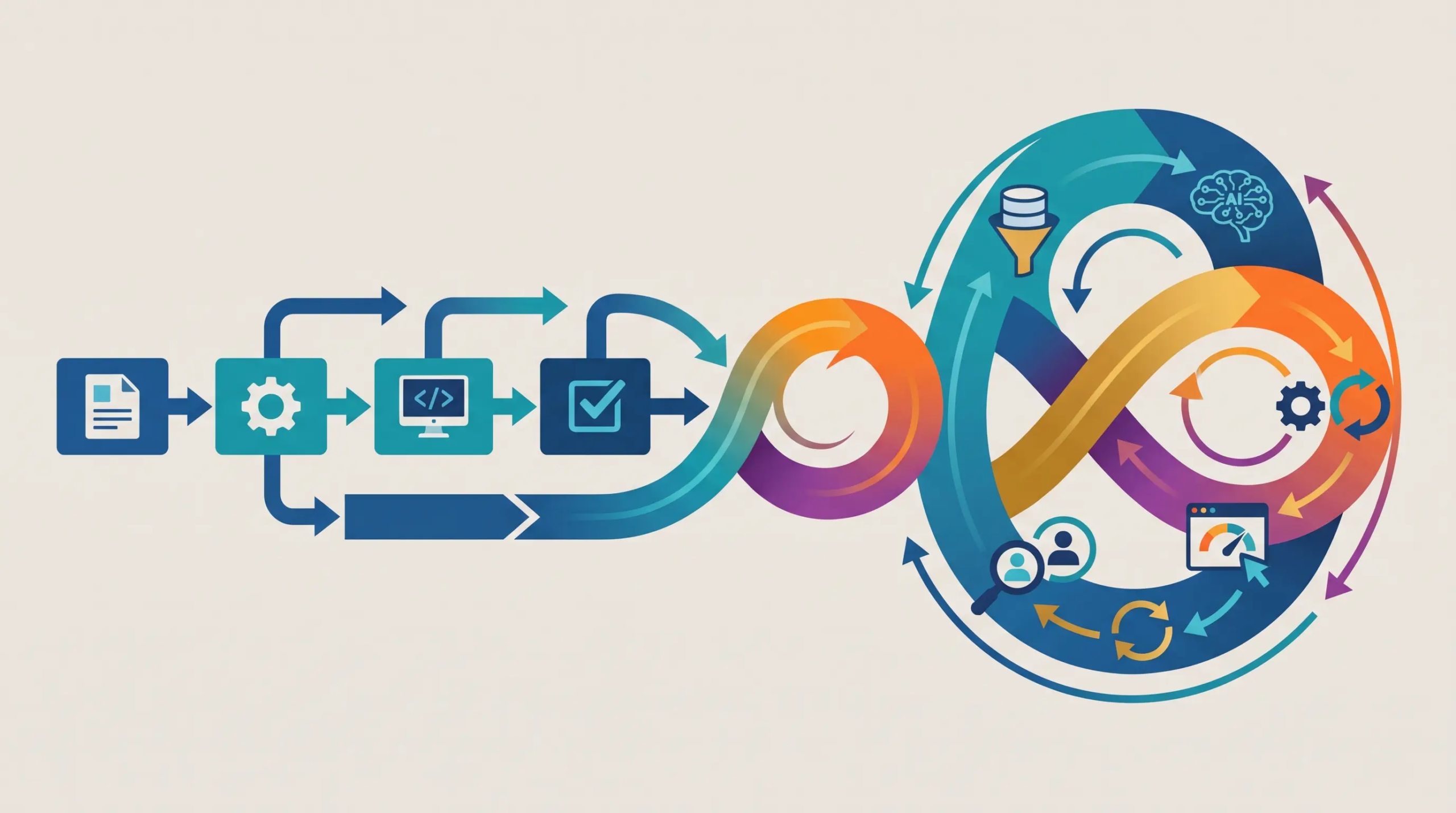
6 Phases to Run a Successful AI Project
saketpratapsinghdm2026-10-25T15:57:35+05:30October 25th, 2026|

How to Transition From Project Manager to PMO Leader
saketpratapsinghdm2026-10-25T14:09:58+05:30October 25th, 2026|

Sustainable AI Starts with Trustworthy AI: A 2026 Guide for Project Managers
saketpratapsinghdm2026-10-24T17:34:12+05:30October 24th, 2026|

Leading Teams Through Change: How Project Managers Can Drive Successful Transformation in 2026
saketpratapsinghdm2026-10-24T16:59:20+05:30October 24th, 2026|
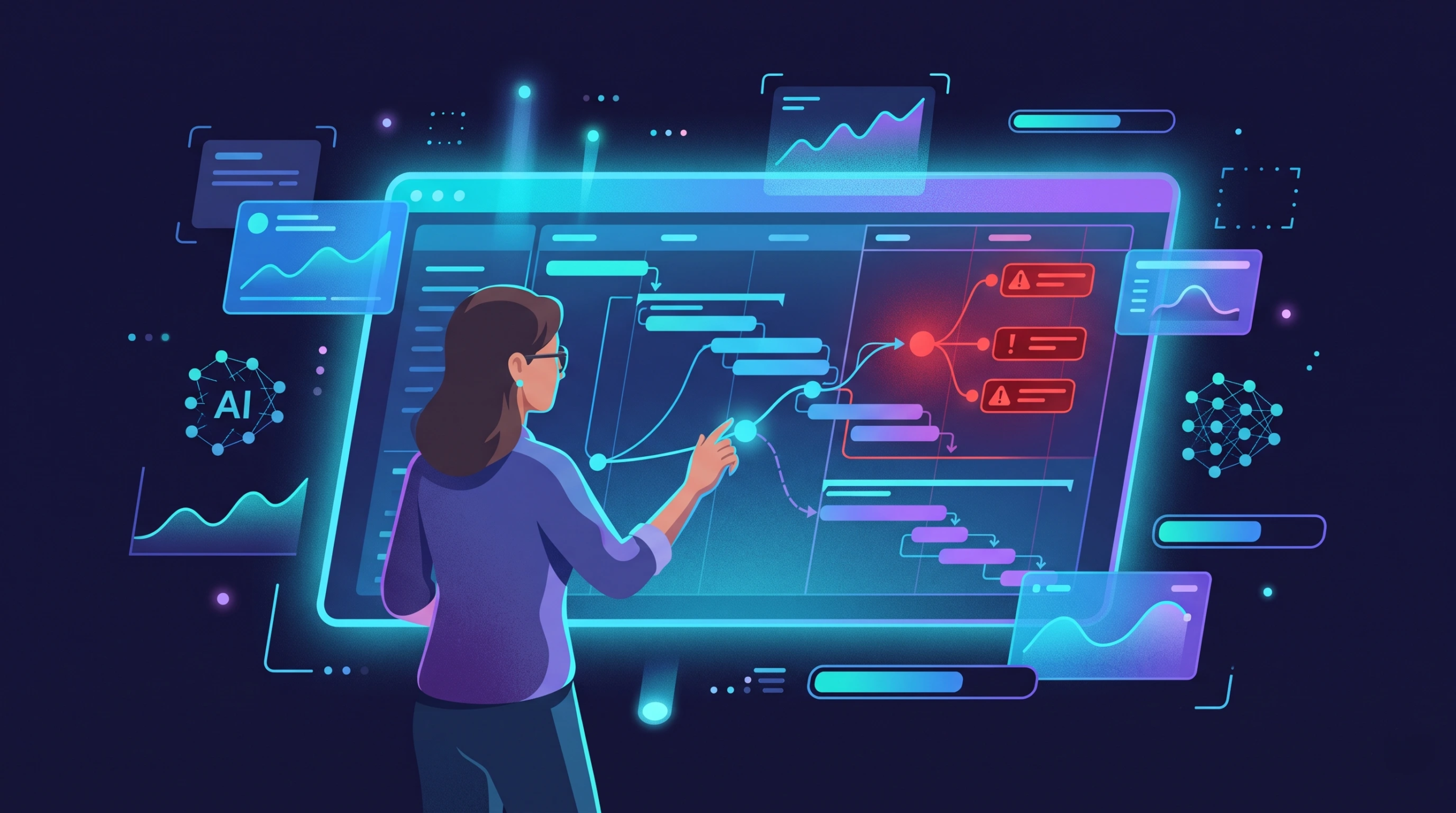
How to Use AI in Project Management: 10 Practical Workflows
saketpratapsinghdm2026-10-24T15:55:17+05:30October 24th, 2026|
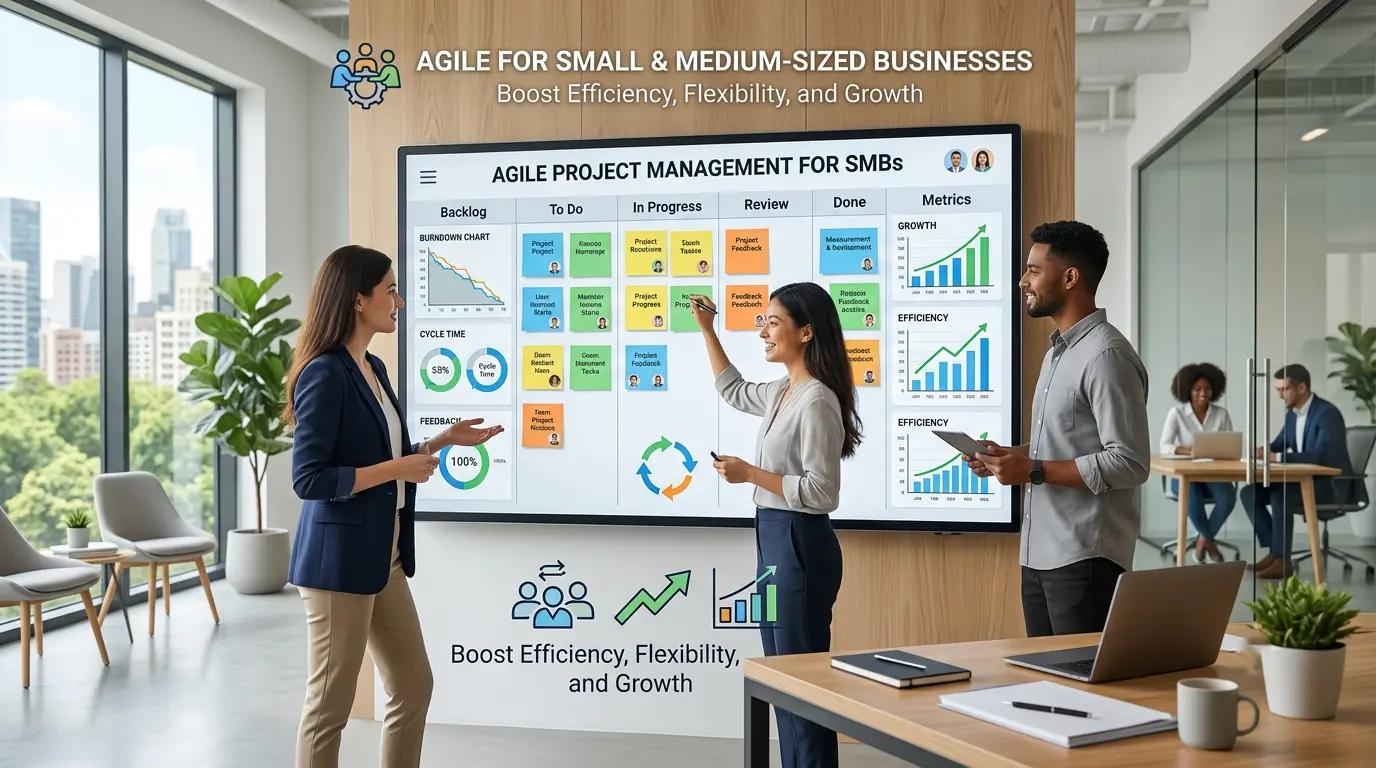
Benefits of Agile Project Management for Small and Medium-Sized Businesses
saketpratapsinghdm2026-09-28T10:12:30+05:30September 28th, 2026|

Work Breakdown Structure (WBS): The Complete PMP Guide, With a Worked Example
saketpratapsinghdm2026-09-21T16:48:15+05:30September 21st, 2026|
Stakeholder Management and RACI: The Complete PMP Guide (With a Worked Example)
saketpratapsinghdm2026-09-21T15:07:42+05:30September 21st, 2026|