5 Essential Reasons Why a Business Case is Mandatory for Your Project
5 Essential Reasons Why a Business Case is Mandatory for Your Project
Many projects start with enthusiasm but end in confusion. The root cause is often the lack of a formal Business Case. In project management, the Business Case is the critical document that justifies the existence of a project, proving it’s both necessary and viable. It’s the gatekeeper to securing funding and resources.
As a professional, your ability to articulate the Importance of a Business Case determines whether your vision gets approved. Here are the five compelling reasons why a Business Case is non-negotiable for any successful project.
1. It Guarantees Strategic Alignment
Projects are vehicles for organizational change. If that change isn’t aligned with the company’s master plan, the project is a waste of resources.
The Business Case in Project Management forces decision-makers to confirm that the project’s objectives directly support the organization’s overall strategy, goals, and mission. If you can clearly demonstrate how your project contributes to a top-level objective (like increasing market share or reducing operational costs), your probability of securing funding increases dramatically.
2. It Verifies Commercial Viability (Do the Numbers Add Up?)
A great idea is worthless if it’s financially unsound. The Business Case provides the financial justification by confirming the commercial viability of the proposed work.
This is where you move beyond simple enthusiasm and perform the necessary math. You must show the costs (resources, procurement, labor) are proportionate to the anticipated benefits (revenue, efficiency). This analysis demonstrates that the project will be a long-term financial accomplishment, considering all costs throughout the asset’s full life cycle—from creation to maintenance and eventual decommissioning.
3. It Proves the Recommended Solution is the Right One
A well-structured Business Case doesn’t just present one solution; it makes a nod to all the alternatives considered and rejected.
This Options Assessment Section is crucial. It examines a range of solutions available to address the challenge, summarizing the pros and cons of each. Your document must focus on the recommended solution, providing a rationale for why it is the best reaction to the challenge based on organizational goals, capacity, and risk tolerance.
4. It Justifies Make-or-Buy Decisions (Procurement)
Project execution often requires acquiring external resources, equipment, or services. The Business Case should contain a solid justification for these foundational decisions.
You must demonstrate why you have chosen a particular seller or why a “make” decision (doing it internally) is better than a “buy” decision (outsourcing). This transparency in Business Case Justification is vital for the Quality Planning process, as it ensures the resources acquired can meet the required quality standards.
5. It Establishes Project Management Structure and Feasibility
It’s not enough to secure a budget for the vision; decision-makers need assurance you have a plan for execution. The Business Case dedicates a section to implementation plans.
This section provides the bare bones of the Project Initiation, including:
- A high-level project plan with major milestones and duration estimates.
- Required resources (people, equipment, budget).
- High-level assumptions, constraints, and initial risks.
This information helps decision-makers figure out precisely what they are approving, providing a solid foundation for the Project Charter.
Conclusion: Business Case is the Foundation
The Business Case is the single most important document in the project’s life. It transforms a good idea into a justified, viable, and strategically aligned course of action. Mastering its creation is essential for your career growth and is a foundational skill taught in our programs.
Keep advancing in your PMP journey — explore our other in-depth guides
- Agile vs Waterfall: Which Methodology is Right for Your Project?
- The 5 Scrum Events Explained: Purpose, Attendees, and Effective Execution
- Why PMP Aspirants Fail? – And How to Avoid Them
- Confused Between Agile, Hybrid, and Predictive? Here’s a Clear Comparison
- Why You Should Track Your Errors — and How to Do It Right
Your first project is calling—will you answer? Join the ShriLearning Community Connect with fellow PMP aspirants and expert instructors. Crete your study plan for free from ShriLearning study-plan-generator.
FAQs
More for you
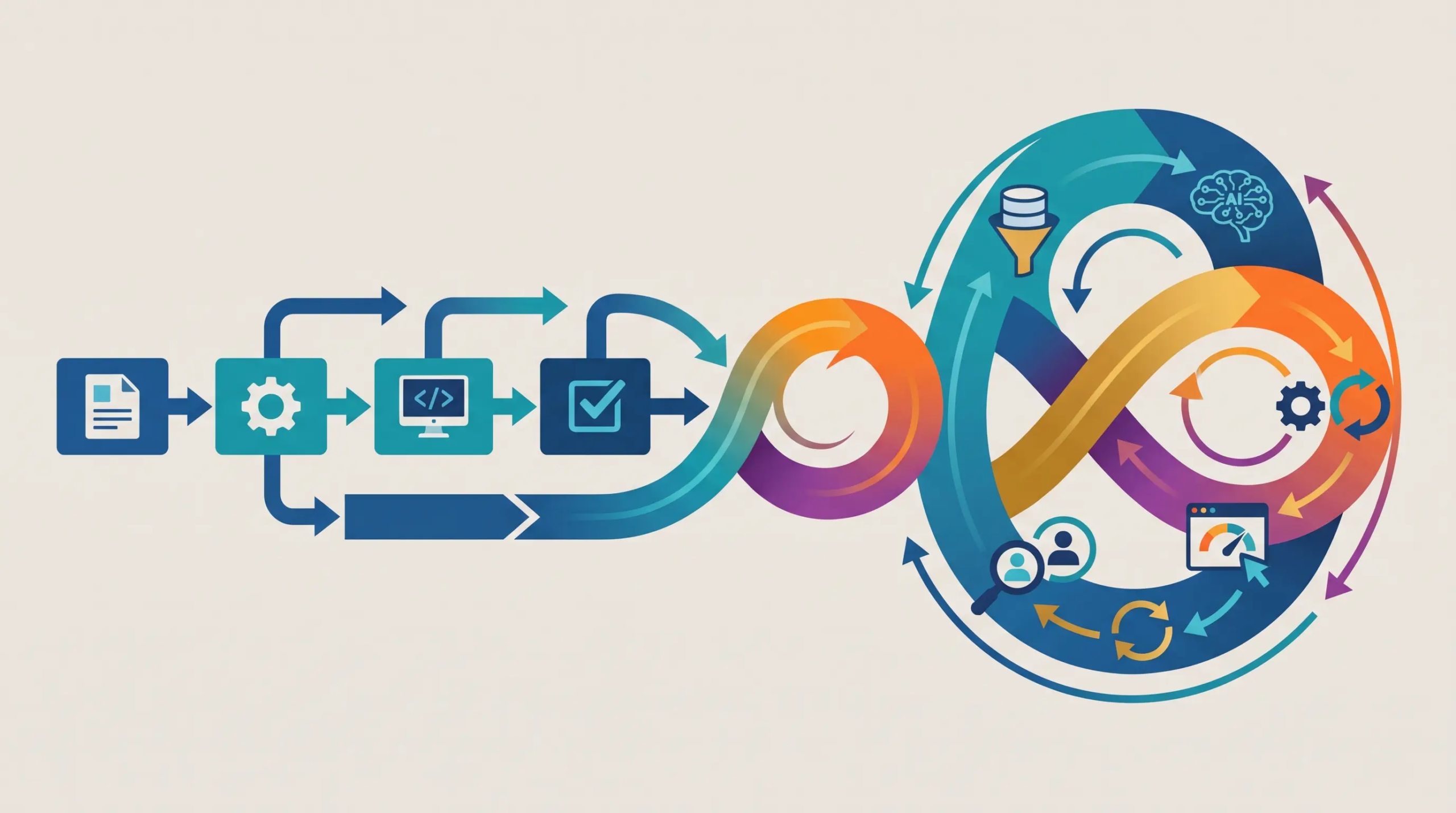

6 Phases to Run a Successful AI Project
saketpratapsinghdm2026-10-25T15:57:35+05:30October 25th, 2026|

How to Transition From Project Manager to PMO Leader
saketpratapsinghdm2026-10-25T14:09:58+05:30October 25th, 2026|

Sustainable AI Starts with Trustworthy AI: A 2026 Guide for Project Managers
saketpratapsinghdm2026-10-24T17:34:12+05:30October 24th, 2026|

Leading Teams Through Change: How Project Managers Can Drive Successful Transformation in 2026
saketpratapsinghdm2026-10-24T16:59:20+05:30October 24th, 2026|

How to Use AI in Project Management: 10 Practical Workflows
saketpratapsinghdm2026-10-24T15:55:17+05:30October 24th, 2026|
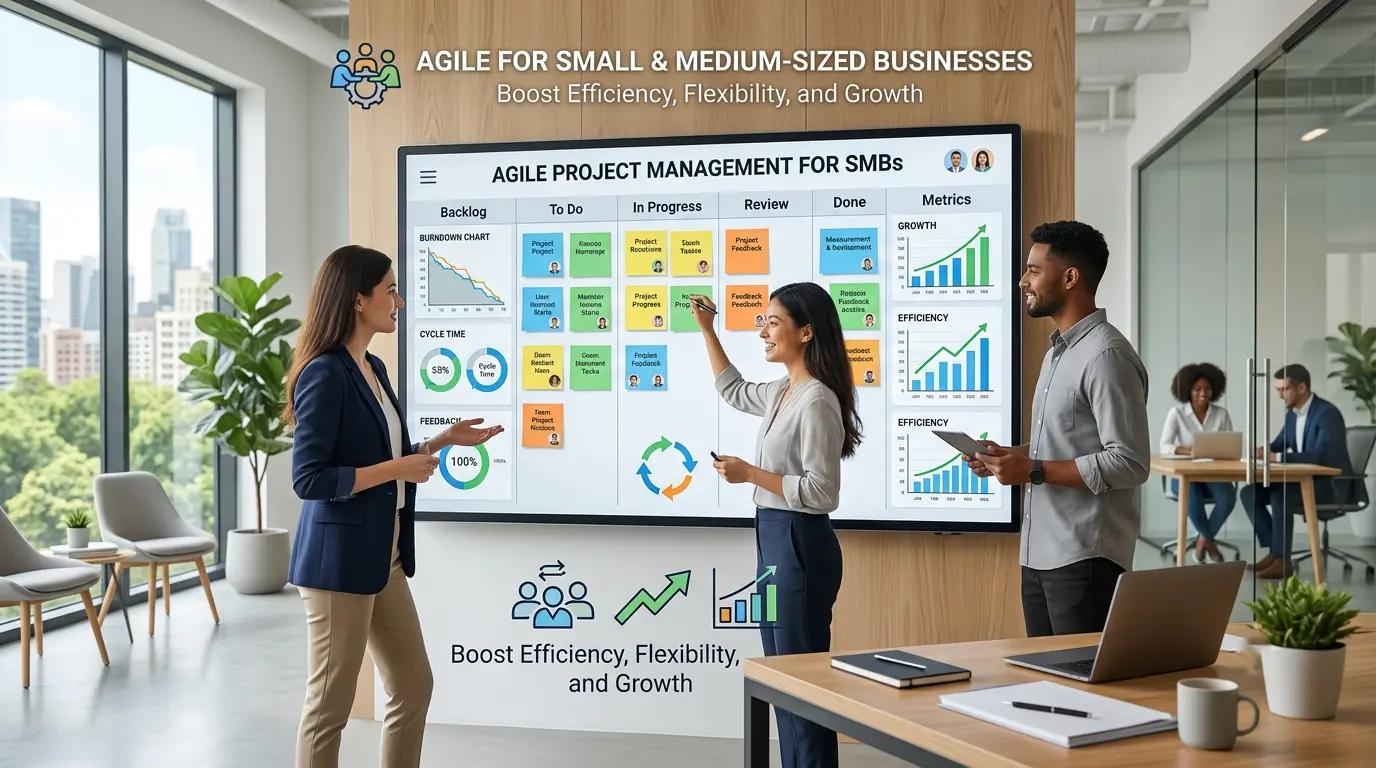
Benefits of Agile Project Management for Small and Medium-Sized Businesses
saketpratapsinghdm2026-09-28T10:12:30+05:30September 28th, 2026|

Work Breakdown Structure (WBS): The Complete PMP Guide, With a Worked Example
saketpratapsinghdm2026-09-21T16:48:15+05:30September 21st, 2026|
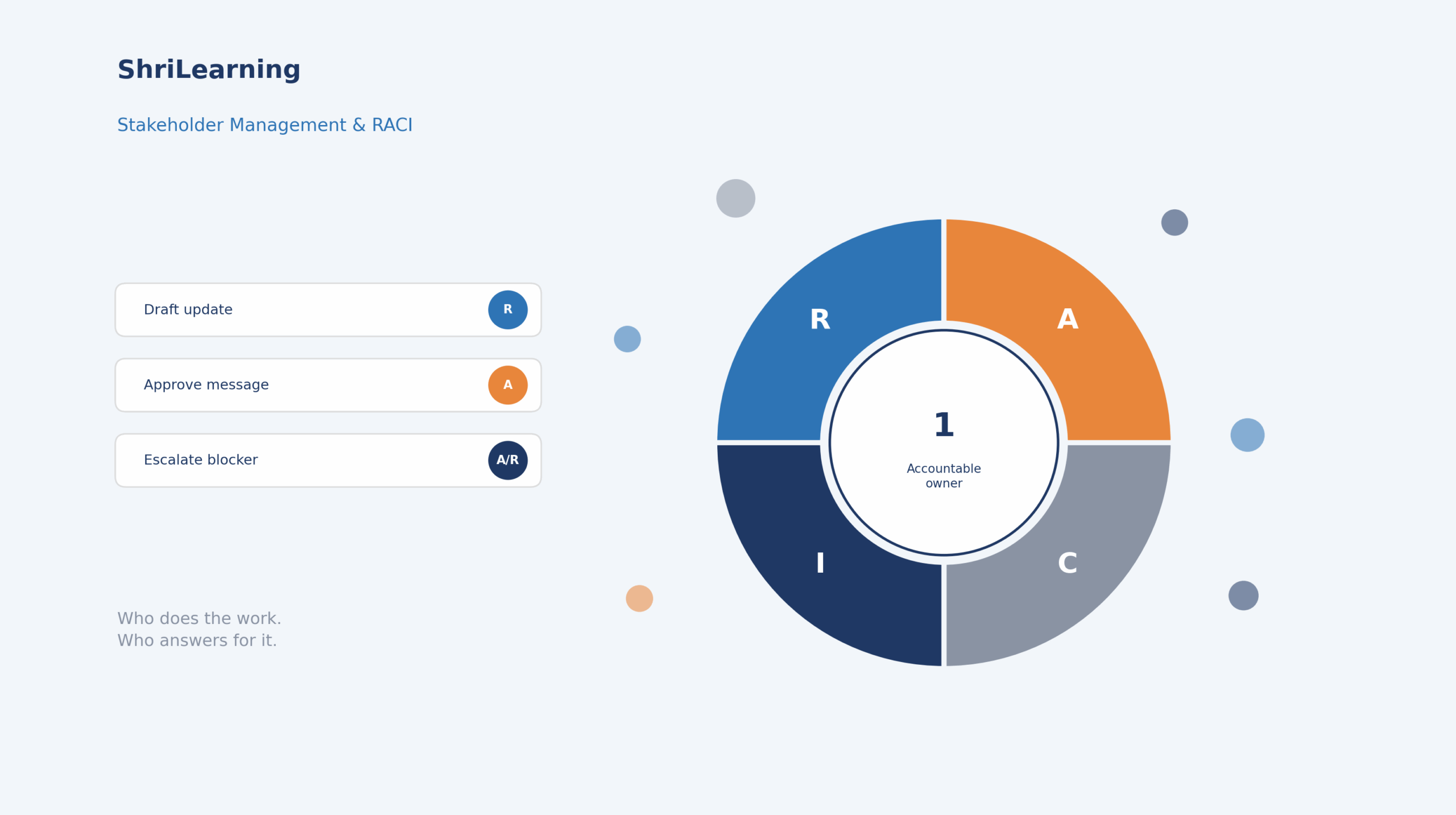
Stakeholder Management and RACI: The Complete PMP Guide (With a Worked Example)
saketpratapsinghdm2026-09-21T15:07:42+05:30September 21st, 2026|