Common Mistakes to Avoid When Preparing for the PMP Exam
Common Mistakes to Avoid When Preparing for the PMP Exam
The PMP certification isn’t just an exam—it’s a globally recognized credential that demonstrates your expertise as a project manager. Attaining this certification can open doors to better job opportunities, higher salaries, and leadership roles. It’s little wonder, then, why people across the globe search for “PMP course syllabus” or “PMP training near me” as part of their preparation.
Ensuring your efforts are well-directed and mistake-free is crucial for success. Otherwise, you’ll risk wasting time and money while falling short of your career goals.
Here’s how to steer clear of common obstacles and optimize your preparation strategy.
Mistake #1: Not Understanding the PMP Course Syllabus
The Problem:
Many candidates jump into studying without a clear understanding of the PMP course syllabus. They either focus on the wrong topics or overlook critical sections. This not only wastes time but leaves gaps in your knowledge that could be detrimental on exam day.
The Solution:
Familiarize yourself with the PMI-provided PMP Exam Content Outline. This document is your ultimate guide to topics that are covered in the exam. Break down the syllabus into digestible chunks and prioritize high-weight categories like project integration, risk management, and stakeholder communication.
Pro tip: A structured class like the one offered at ShriLearning can simplify this process by providing you with an organized roadmap tailored to the syllabus.
Mistake #2: Memorizing Without Understanding Concepts
The Problem:
Relying solely on rote memorization might help you recall formulas, but it won’t prepare you for PMP’s scenario-based questions. These test critical thinking and demand a deeper understanding.
The Solution:
Focus on truly understanding the core principles of project management, as outlined in the PMBOK Guide. Learn why processes exist and how to apply them to real-life scenarios. Look for a “PMP training near me” that emphasizes practical application alongside theoretical learning.
Interactive study methods like problem-solving exercises, group discussions, and case studies can help boost retention and application skills.
Mistake #3: Neglecting Time Management
The Problem:
Procrastination or inefficient time allocation often results in rushed, ineffective studying—and undue stress. Additionally, candidates may fail to allocate time for mock tests and practice exams.
The Solution:
Create a detailed study schedule that spans at least 2-3 months. Divide your preparation into weekly or daily goals, ensuring you cover all sections of the PMP course syllabus. Dedicate specific times for revising learned material and solving mock tests.
A structured course like ShriLearning can help you plan efficiently and maintain accountability.
Mistake #4: Not Taking Enough Mock Exams
The Problem:
Some candidates believe they’ll succeed by simply reading the material. However, the PMP exam tests how well you can apply concepts to complex scenarios, which requires practice—and plenty of it.
The Solution:
Commit to solving multiple mock tests throughout your preparation. These not only gauge your readiness but also help you get comfortable with the four-hour exam format. Analyze your performance in each test to identify weak areas and adjust your study plan accordingly.
At ShriLearning, we integrate carefully designed mock exams and feedback sessions into our training programs to help bridge any gaps in your preparation.
Mistake #5: Overlooking Agile and Hybrid Methodologies
The Problem:
The PMP exam now incorporates substantial content on Agile and hybrid project management methodologies. Candidates who focus only on traditional methods risk leaving out valuable content that could appear in the exam.
The Solution:
Ensure you study Agile and hybrid project management principles, such as Scrum and Kanban. Courses that stay updated with the latest exam trends can help provide clarity on how best to approach these methodologies.
Pro tip: Look for a training program that includes a detailed review of these topics, along with practical examples.
Mistake #6: Ignoring Expert Guidance
The Problem:
Deciding to self-study without professional support can lead to a disorganized approach. Many candidates find it difficult to understand the nuances of complex topics on their own.
The Solution:
Instead of struggling to decipher challenging concepts, enroll in a comprehensive PMP training course. Expert trainers simplify difficult topics, guide you through important sections of the PMP course syllabus, and offer personalized support.
ShriLearning offers an instructor-led program with plenty of one-on-one mentoring opportunities to ensure you’re fully prepared.
Mistake #7: Skipping the Application Process Requirements
The Problem:
Imagine dedicating months to studying, only to realize you don’t meet PMP’s eligibility requirements! Unfortunately, many candidates overlook this important step.
The Solution:
Before starting your preparation, review PMI’s eligibility criteria carefully. Ensure you have the required education and project management experience. If you’re unsure, ShriLearning can also assist you in navigating the application process.
Mistake #8: Forgetting to Network
The Problem:
PMP candidates often underestimate the power of community and peer learning, opting to go through the process alone.
The Solution:
Join study groups or forums where PMP aspirants and certified professionals exchange tips. Platforms like LinkedIn are great for connecting with peers and mentors. ShriLearning’s community is also designed to foster collaboration and mutual growth, ensuring you’re never on your own.
Your first project is calling—will you answer? Join the ShriLearning Community Connect with fellow PMP aspirants and expert instructors. Crete your study plan for free from ShriLearning study-plan-generator.
More for you
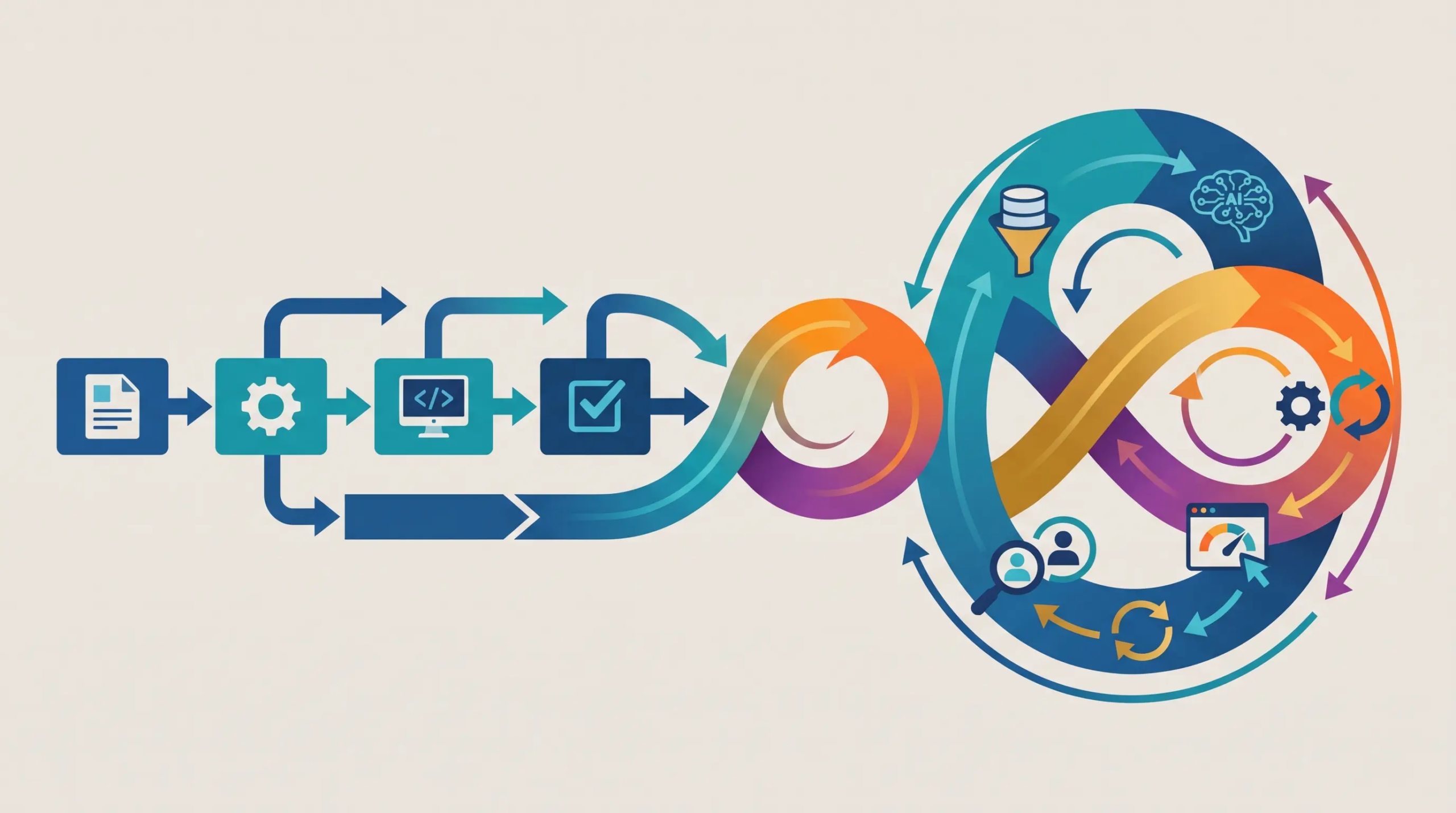
6 Phases to Run a Successful AI Project
saketpratapsinghdm2026-10-25T15:57:35+05:30October 25th, 2026|

How to Transition From Project Manager to PMO Leader
saketpratapsinghdm2026-10-25T14:09:58+05:30October 25th, 2026|

Sustainable AI Starts with Trustworthy AI: A 2026 Guide for Project Managers
saketpratapsinghdm2026-10-24T17:34:12+05:30October 24th, 2026|

Leading Teams Through Change: How Project Managers Can Drive Successful Transformation in 2026
saketpratapsinghdm2026-10-24T16:59:20+05:30October 24th, 2026|
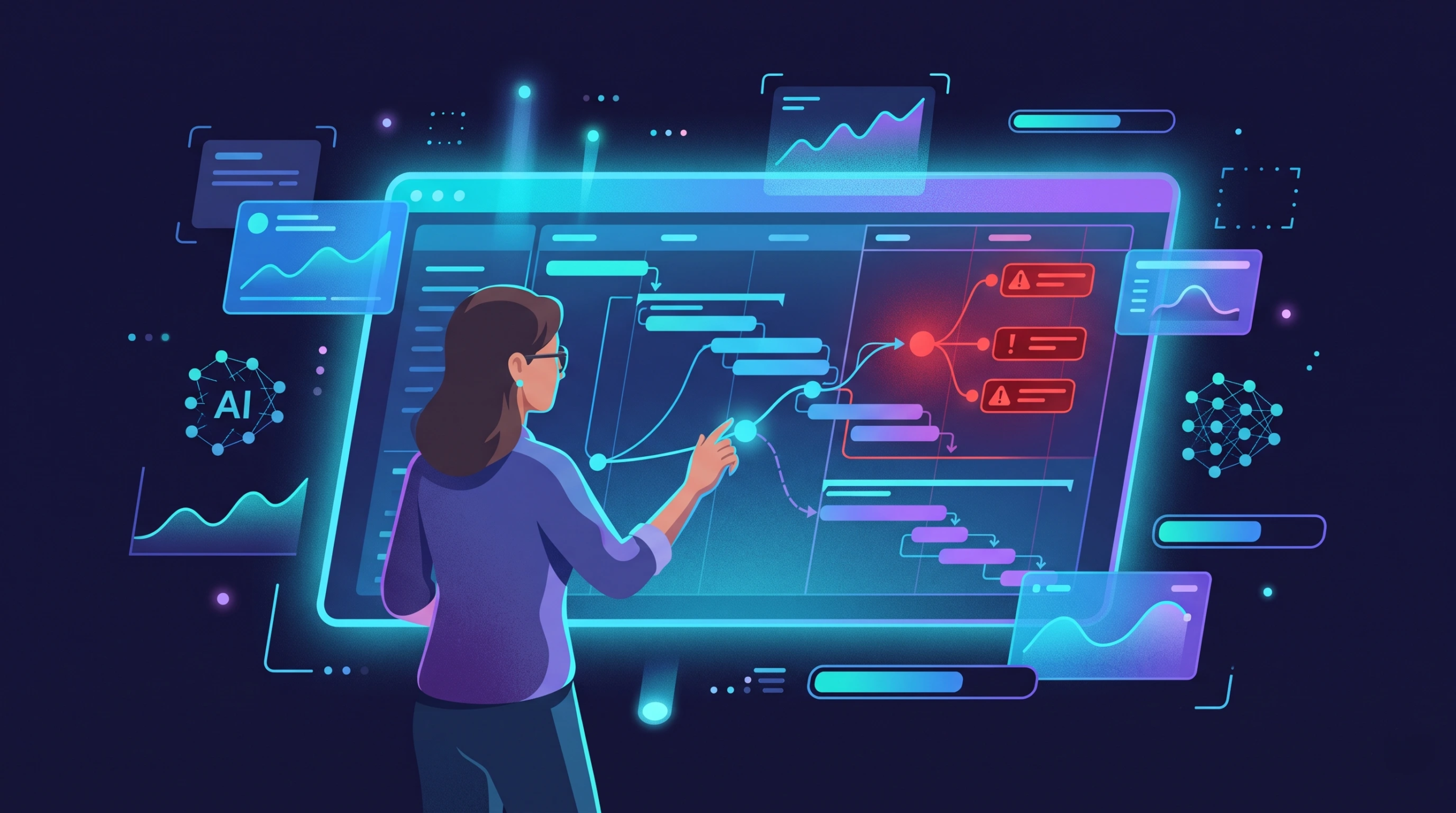
How to Use AI in Project Management: 10 Practical Workflows
saketpratapsinghdm2026-10-24T15:55:17+05:30October 24th, 2026|
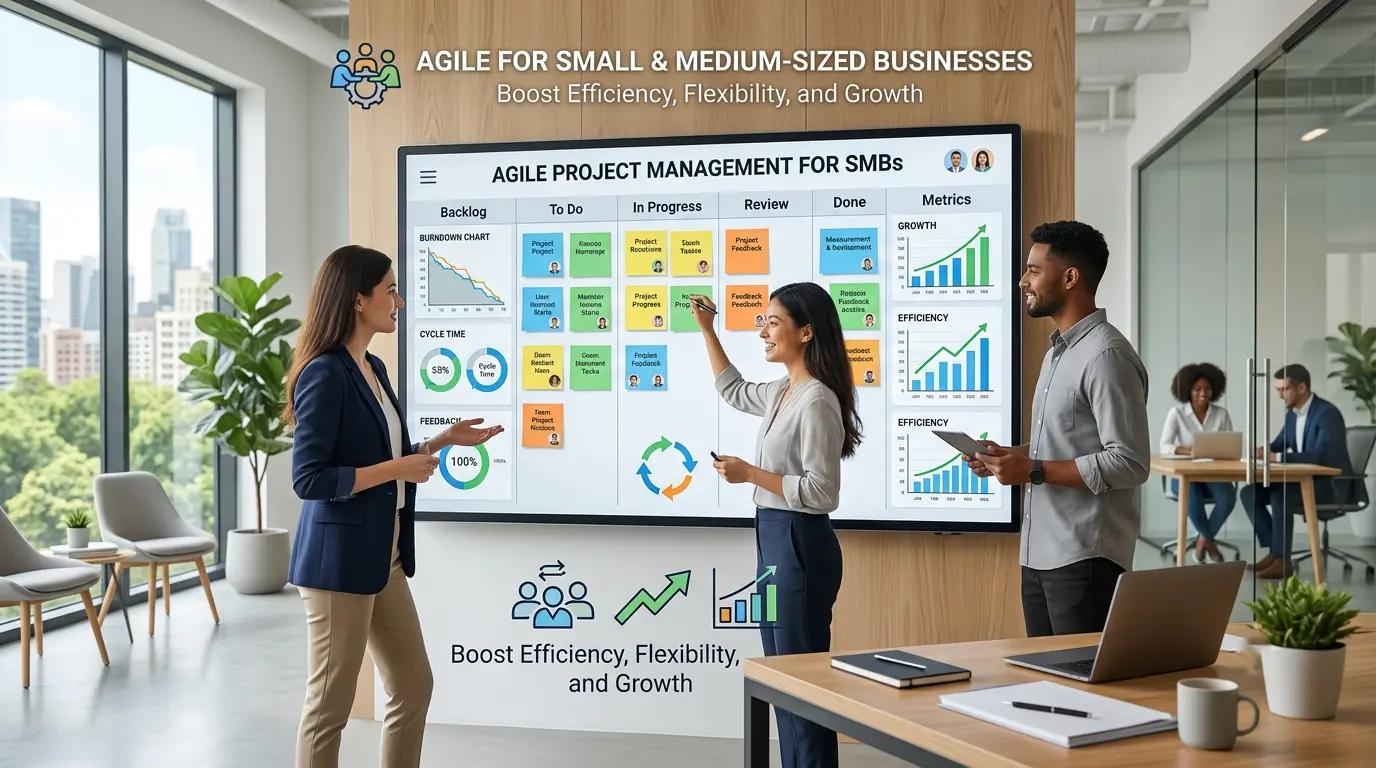
Benefits of Agile Project Management for Small and Medium-Sized Businesses
saketpratapsinghdm2026-09-28T10:12:30+05:30September 28th, 2026|

Work Breakdown Structure (WBS): The Complete PMP Guide, With a Worked Example
saketpratapsinghdm2026-09-21T16:48:15+05:30September 21st, 2026|
Stakeholder Management and RACI: The Complete PMP Guide (With a Worked Example)
saketpratapsinghdm2026-09-21T15:07:42+05:30September 21st, 2026|