Can’t Focus While Studying for PMP? These 7 Techniques Work
Can’t Focus While Studying for PMP? These 7 Techniques Work
Preparing for the PMP exam is a significant commitment. Many aspirants find themselves struggling to concentrate, especially when juggling work, personal responsibilities, and study time. Distractions, mental fatigue, and a lack of clear strategy often derail even the most motivated candidates.
Below are 7 evidence-based focus techniques that can help PMP aspirants regain concentration, improve retention, and study more effectively.
1. Use the 25-Minute Focus Technique (Pomodoro Method)
Set a timer for 25 minutes of deep focus, followed by a 5-minute break. After four cycles, take a longer break of 15–30 minutes.
This method helps the brain work in short, productive bursts, reducing burnout and improving retention — ideal for complex topics like Risk Management or Schedule Network Analysis.
2. Set Specific, Outcome-Based Study Goals
Rather than allocating fixed time blocks (“Study for 2 hours”), define what needs to be achieved in each session.
Example: “Complete 10 situational questions on Stakeholder Management” or “Review the Critical Path Method with examples.”
Specific goals foster purpose, direction, and greater engagement.
3. Minimize Digital Distractions
Notifications from apps and social media are major productivity killers. Each distraction breaks concentration and reduces learning efficiency.
Try:
- Keeping phones in another room
- Activating “Do Not Disturb” mode
- Using distraction-blocking tools like Forest App or Cold Turkey
Creating a dedicated, quiet study environment also reinforces focus habits over time.
4. Identify Peak Productivity Hours
Every learner has optimal hours for concentration — for some, it’s early mornings; for others, late evenings.
Track energy and focus levels over a few days, and schedule the most challenging topics during high-productivity periods.
Studying in sync with natural rhythms increases comprehension and reduces mental fatigue.
5. Switch to Active Learning Methods
Passive reading or watching videos often results in low retention. Instead, engage with material using active recall techniques:
- Teach the concept aloud
- Draw diagrams or process flows
- Solve practice questions immediately after studying a topic
- Use spaced repetition flashcards
Active learning builds deeper understanding, especially important for scenario-based questions on the PMP exam.
6. Break Large Topics into Micro-Tasks
Studying broad knowledge areas like Integration Management or Quality Control can feel overwhelming. Break them into smaller, manageable subtopics.
For example:
“Develop Project Charter” → “Inputs”, “Tools & Techniques”, and “Outputs” (ITTOs)
Micro-chunking makes learning more digestible and helps track progress effectively.
7. Review Weekly and Stay Accountable
Set aside time each week to review:
- What has been covered
- Areas of strength
- Concepts requiring revision
- Progress toward the exam date
For greater accountability, consider joining a structured study group or enrolling in a live instructor-led batch.
Regular check-ins and community learning environments often improve consistency and motivation.
Conclusion: Distraction Is Normal — Focus Can Be Trained
Struggling to focus while preparing for the PMP exam is a common hurdle. But with the right strategies, tools, and support system, it’s entirely manageable.
ShriLearning’s structured PMP training programs are designed to provide not only deep conceptual clarity but also the focus and discipline necessary to stay on track.
Ready to Regain Focus and Accelerate Your PMP Prep?
Join ShriLearning’s Live Online PMP Training and benefit from:
- Expert guidance
- Study planners and templates
- Real-time interaction
- Progress tracking and support
Your first project is calling—will you answer? Join the ShriLearning Community Connect with fellow PMP aspirants and expert instructors. Crete your study plan for free from ShriLearning study-plan-generator.
More for you

How to Use AI in Project Management: 10 Practical Workflows
saketpratapsinghdm2026-10-24T15:48:41+05:30October 24th, 2026|
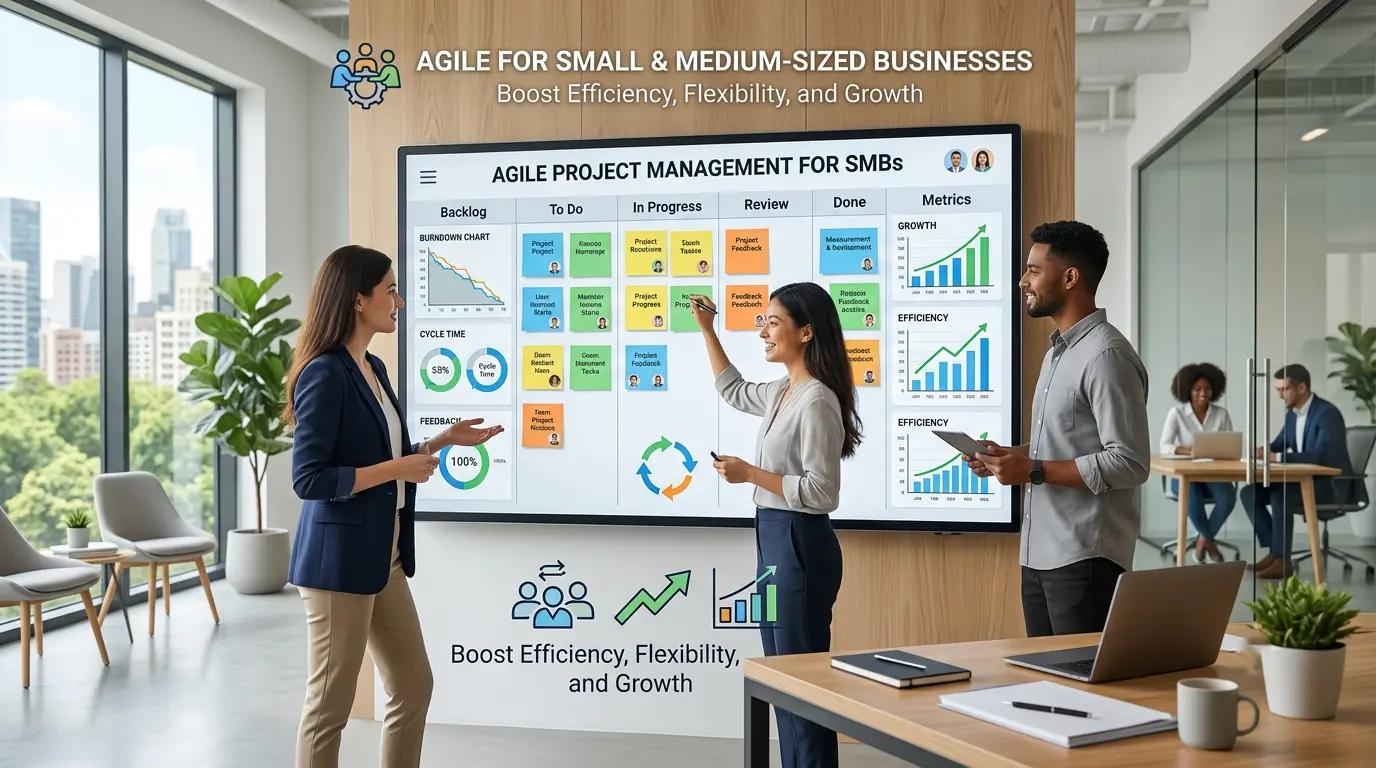
Benefits of Agile Project Management for Small and Medium-Sized Businesses
saketpratapsinghdm2026-09-28T10:12:30+05:30September 28th, 2026|

Work Breakdown Structure (WBS): The Complete PMP Guide, With a Worked Example
saketpratapsinghdm2026-09-21T16:48:15+05:30September 21st, 2026|
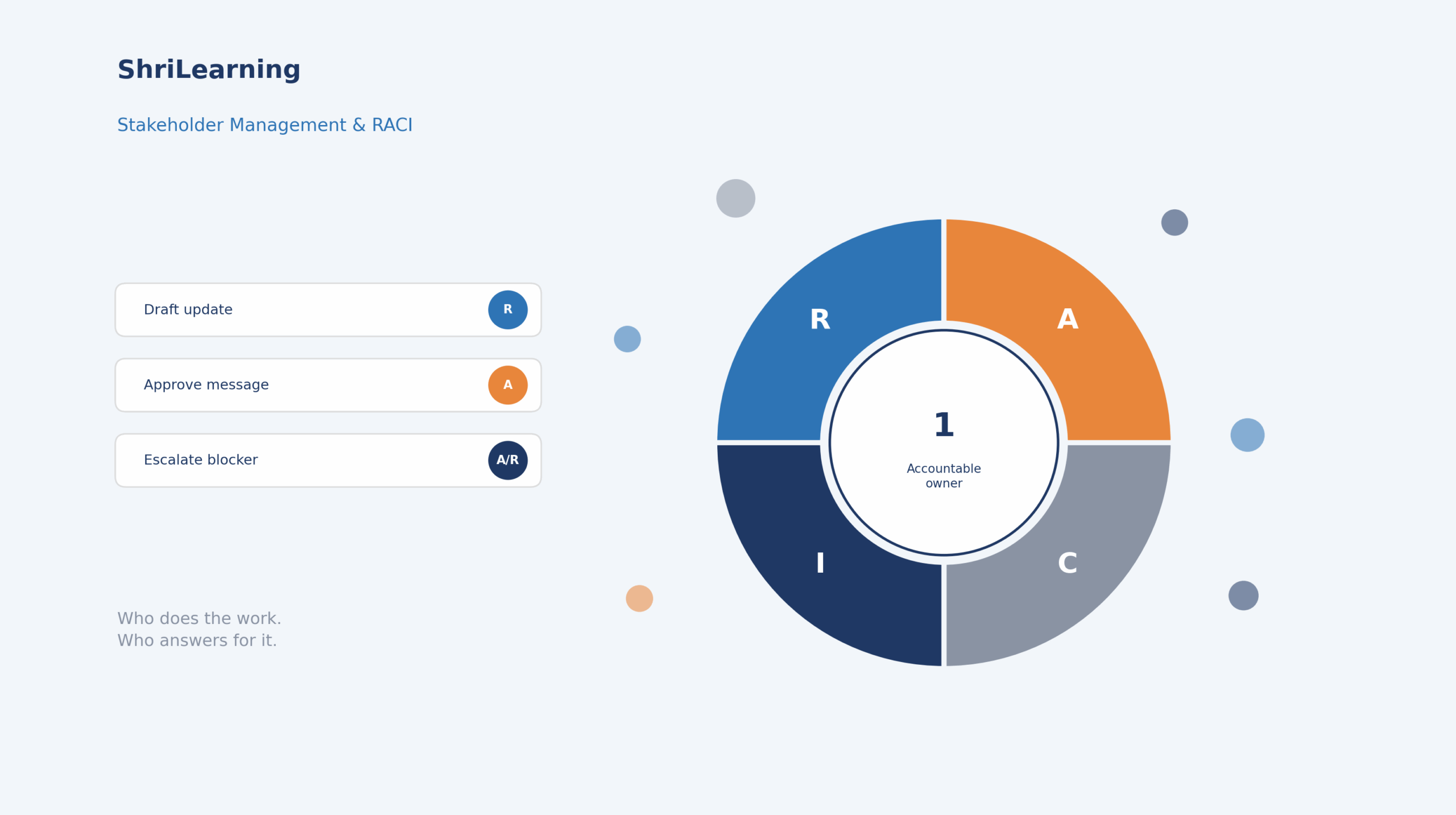
Stakeholder Management and RACI: The Complete PMP Guide (With a Worked Example)
saketpratapsinghdm2026-09-21T15:07:42+05:30September 21st, 2026|
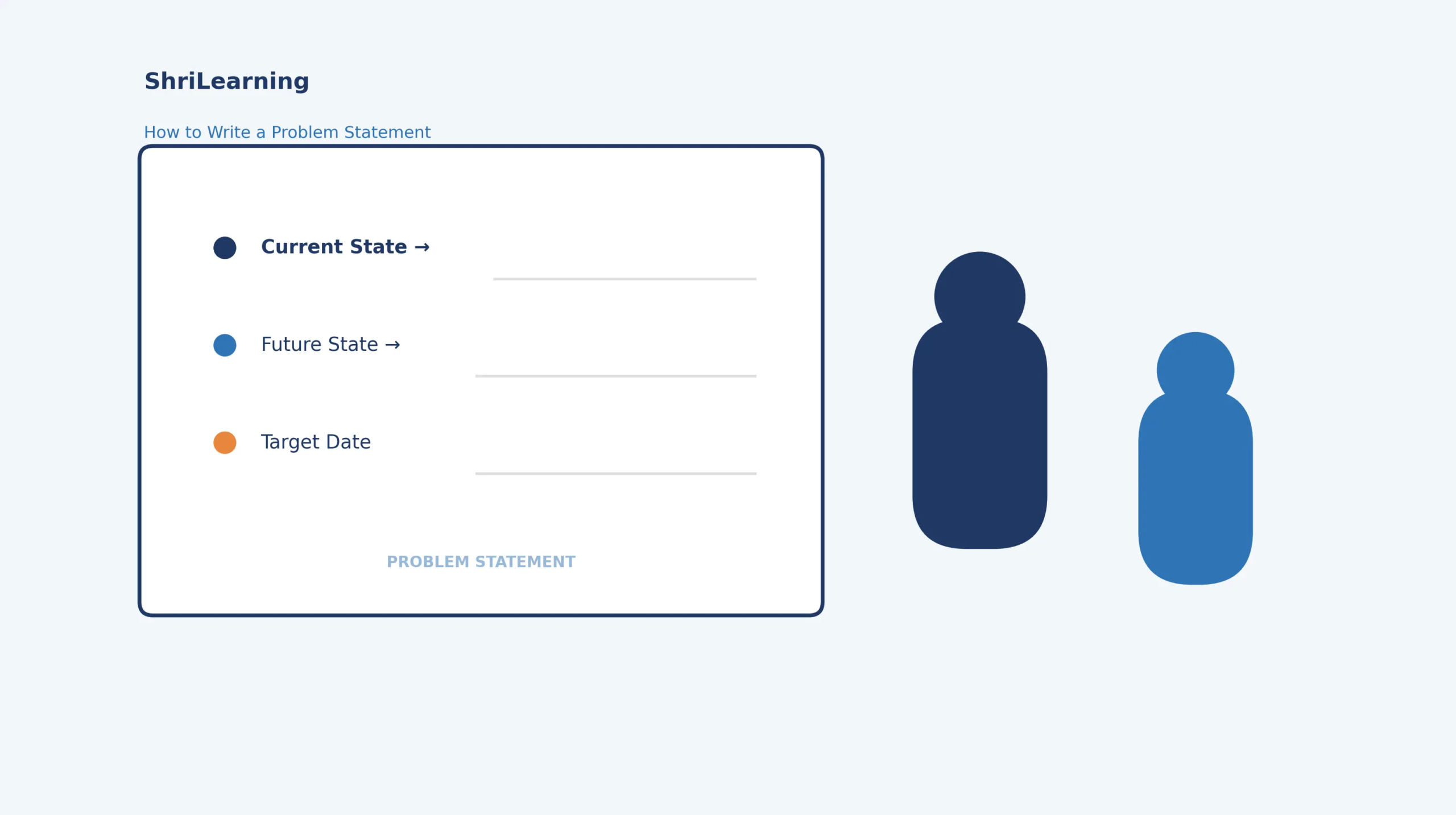
How to Write a Problem Statement (With a PMP-Ready Template and Examples)
saketpratapsinghdm2026-09-21T14:42:27+05:30September 21st, 2026|

Earned Value Management: How to Actually Read CPI and SPI (Not Just Calculate Them)
saketpratapsinghdm2026-09-17T15:32:44+05:30September 17th, 2026|

Agile Practice Guide – Second Edition: What Changed, and What It Means for Your PMI-ACP Prep
saketpratapsinghdm2026-09-17T14:45:53+05:30September 17th, 2026|

Why the PMP People Domain Dropped to 33% (And How to Master It in 2026)
saketpratapsinghdm2026-08-27T21:18:31+05:30August 27th, 2026|