Google Project Management Certificate vs. PMP: The 2026 Career Reality Check
Google Project Management Certificate vs. PMP: The 2026 Career Reality Check
The project management landscape in 2026 is noisy. If you scroll through your social media feeds, you are likely bombarded with ads. On one side, you have the tech giant Google, promising to launch your career in six months for the price of a monthly subscription. On the other side, you have the Project Management Institute (PMI), the 50-year-old gatekeeper offering the prestigious, rigorous, and expensive PMP® Certification.
For a professional standing at a career crossroads, this choice feels paralyzing.
- “Is the Google Certificate a legitimate qualification, or just a glorified tutorial?”
- “Is the PMP really worth ₹60,000+ and months of stress?”
- “Can I get a high-paying job with just the cheap one?”
The truth is, these two certifications are not competitors; they are collaborators. They serve completely different stages of your career lifecycle. Comparing them directly is like comparing a Swiss Army Knife (Google) to a Industrial Laser Cutter (PMP). Both cut things, but you wouldn’t use a knife to build a skyscraper.
In this comprehensive, data-driven guide, we will dismantle the marketing hype. We will compare the curriculum, the “hidden” costs, the salary reality in India and globally, and most importantly, how you can use one to unlock the other.
1. Google PM Cert vs. PMP
Before we analyze the nuance, let’s look at the hard facts. This table highlights the critical differences for a professional navigating the 2026 job market.
| Parameter | Google Project Management Certificate | PMP® (Project Management Professional) |
| 1. Primary Goal | Employability. Teaches you the tactical tools (the “How”) to land your first entry-level job. | Credibility. Validates your strategic leadership (the “Why”) to handle complex, high-risk portfolios. |
| 2. Target Audience | Beginners. Zero experience required. Perfect for career switchers (e.g., Teachers, Sales) entering corporate. | Leaders. Requires 3+ years (36 months) of documented project leadership experience. |
| 3. Curriculum Focus | Tactical Execution. Using Asana, Sheets, drafting emails, conducting meetings. New 2026: AI Prompting. | Strategic Governance. Risk Management, Stakeholder Influence, Hybrid Methodologies, Business Value. |
| 4. Difficulty Level | Low. Open-book quizzes, peer-graded assignments, unlimited retakes. Self-paced. | Very High. 4-Hour Proctored Psychometric Exam. 40-50% First-time failure rate without prep. |
| 5. Cost (Estimated) | Low. ~$39-$49/month (Coursera). Total: ~$200 – $300 (₹10k – ₹20k). | High. Exam ($405-$555) + Training + Materials. Total: ~$800-$1,000 (₹60k – ₹75k). |
| 6. Salary (India) | Entry Level. ₹6 Lakhs – ₹10 Lakhs (Project Coordinator / Junior PM). | Senior Level. ₹18 Lakhs – ₹30 Lakhs+ (Project Manager / Program Manager). |
| 7. Salary (Global) | Entry Level. $60,000 – $80,000 (Coordinator). | Senior Level. $115,000 – $145,000 (Manager/Director). |
| 8. Industry Value | Respected by Startups, Tech, and Digital Agencies. Often ignored by Construction/Govt. | The Global Standard. Mandatory for senior roles in Fortune 500, Finance, Construction, and Defense. |
2. Deep Dive: The Google Project Management Certificate
The “Career Starter Kit”
Launched in 2021, the Google Certificate was a disruptor. Google realized there was a massive shortage of people who could simply “get things done.” They didn’t need theorists; they needed doers.
The Philosophy: “Ready, Set, Do”
The Google course is hosted on Coursera and is intensely practical. It doesn’t bog you down with the history of management theory. Instead, it throws you into the day-to-day reality of a Junior PM.
Curriculum Breakdown (The 6 Courses):
-
Foundations of Project Management: The vocabulary of the job. What is a stakeholder? What is a deliverable?
-
Project Initiation: This is where you learn to write a Project Charter. You actually write one as an assignment. You learn to define “Success Criteria” and perform a basic stakeholder analysis.
-
Project Planning: This covers the “Mechanics.” You learn to build a schedule, estimate costs (very basically), and creating a Communication Plan.
-
Project Execution: The art of tracking. You learn about “Status Reports,” managing quality, and the basics of “Retrospectives.”
-
Agile Project Management: This is Google’s strength. They provide a very solid introduction to Scrum, Kanban, and the Agile mindset, which is how most modern tech teams operate.
-
Capstone: The differentiator. You complete a hands-on project where you face a scenario, build artifacts, and essentially create a “Portfolio” you can show an interviewer.
The “2026” Upgrade: Generative AI
Google has recently updated the content to include modules on AI. You aren’t just taught to write a status email; you are taught how to prompt Gemini or ChatGPT to draft that email for you. For a beginner, this is an invaluable modern skill.
The Verdict: It is a fantastic “How-To” guide. If you need to learn how to use Jira or create a Gantt chart in Sheets, this is the course for you.
3. Deep Dive: The PMP Certification
The “Executive Passport”
If Google is the “How,” PMP is the “Why.” The PMP is not a course you take; it is a designation you earn. It is governed by PMI, an organization that has defined the global standards of project management for 50 years.
The Philosophy: “Lead, Govern, Deliver”
The PMP assumes you already know how to use Excel. It doesn’t test your tool knowledge. It tests your Judgment. It throws you into complex, messy, ethical dilemmas and asks, “What is the best path forward for the business?”
Curriculum Breakdown (The 3 Domains):
In 2026, the PMP exam is split into three heavy domains:
-
People (33%): This is pure Leadership. It covers Conflict Resolution, Emotional Intelligence, Virtual Team Management, and Mentoring. It asks: “Two senior engineers are fighting, and it’s delaying the project. Do you separate them, report them, or facilitate a session?”
-
Process (41%): This is the Methodology. But unlike Google, PMP requires you to be fluent in Hybrid management. You must know how to blend a Waterfall budget with an Agile delivery team. You must know Earned Value Management (EVM) formulas to predict cost overruns mathematically.
-
Business Environment (26%): This is the Strategy. This domain is why PMPs get paid more. It covers Compliance, Organizational Change Management, and ensuring the project delivers Business Value, not just code.
The Difficulty Spike
The PMP exam is a 4-hour marathon of 180 questions. These are not “definition” questions. They are Situational.
-
Google Quiz Question: “What does SMART stand for?”
-
PMP Exam Question: “Your project is 80% complete. A new regulation is passed that renders your product illegal in the target market. The Sponsor wants to continue. What do you do?”
The Verdict: It is a “Leadership” validation. It proves you can handle high-stakes pressure, ethics, and governance.
4. The Salary & ROI Reality Check (2026 Data)
Let’s talk about the Return on Investment, because that is why you are taking a certification.
The “Google” ROI:
- Cost: Approx. ₹15,000 (6 months of subscription).
- Outcome: You move from “Unemployable” in this field to “Employable.”
- Target Role: Project Coordinator, Junior Scrum Master, Operations Associate.
- Salary Range (India): ₹6,00,000 – ₹9,00,000 per year.
- Salary Range (US): $60,000 – $80,000 per year.
The “PMP” ROI:
- Cost: Approx. ₹65,000 (Exam + Training + Materials).
- Outcome: You move from “Mid-Level” to “Senior Leadership.”
- Target Role: Senior Project Manager, Program Manager, Delivery Head.
- Salary Range (India): ₹18,00,000 – ₹35,00,000+ per year.
- Salary Range (US): $115,000 – $150,000+ per year.
The Analysis:
The PMP costs 4x more upfront but delivers a 3x to 4x higher salary ceiling. In the long run, the PMP is mathematically the better investment, provided you have the experience to qualify for it.
5. The “Bridge Strategy”: How to Hack the System
This is the most critical section of this guide. Most people think they have to choose one. Smart professionals use both.
The Obstacle:
To apply for the PMP exam, PMI requires you to have 35 Contact Hours of formal project management education. Usually, this means paying ₹15,000 – ₹25,000 for a bootcamp.
The Hack:
PMI recognizes the Google Project Management Certificate as valid “Project Management Education.”
This means the Google course can serve as your “Prerequisite” for the PMP.
The Optimal 2026 Career Path:
- Step 1 (The Foundation): Enroll in the Google Certificate. Use it to learn the basics, get comfortable with the terminology, and earn a credential for your LinkedIn.
- Step 2 (The Eligibility): Use your Google Certificate completion badge to satisfy the 35 Contact Hours requirement on your PMP Application.
- Step 3 (The Preparation): Warning: Do not skip this. The Google course DOES NOT prepare you for the PMP exam. It covers less than 40% of the syllabus. Once eligible, enroll in a ShriLearning PMP Mentorship/Simulator program to bridge the gap. We will teach you the “PMI Mindset” that Google missed.
- Step 4 (The Exam): Pass the PMP exam and enter the job market with Two Certifications—one showing you know the tools (Google), and one showing you know the strategy (PMP).
6. Industry Specifics: Where Does Each Win?
Not all industries are created equal. In 2026, the value of these certs varies wildly depending on where you apply.
The Tech / Startup World:
- Winner: Tie.
- Startups love the Google Cert because it means you can use Jira on Day 1. They often view PMP as “too rigid” or “too corporate.” However, as startups scale into enterprises, they start demanding PMPs to manage the chaos.
The Construction / Engineering / Manufacturing World:
- Winner: PMP (Landslide).
- In these industries, safety, risk, and contracts are king. The Google Cert is virtually unknown here. If you walk onto a construction site with a Google Cert, you will be laughed at. If you walk in with a PMP, you are the boss.
The Banking / Finance / Defense World:
- Winner: PMP.
- These are highly regulated industries. They rely on “Governance” and “Compliance.” They require the rigor of the PMP. A Google Cert is seen as a “nice to have” but never a qualification for leadership.
7. The “AI” Factor: Future-Proofing Your Choice
A major concern for 2026 is Artificial Intelligence. Will AI replace Project Managers?
Google’s Approach: Google is training you to be an AI Operator. They teach you how to prompt the AI to do tasks. This is great for efficiency, but “Operators” are easily replaced by better AI.
PMP’s Approach: PMP is training you to be an AI Governor. They teach you how to evaluate the ethics, bias, and business value of the AI’s output. You cannot automate “Governance” or “Leadership.”
Therefore, the PMP is the more “Future-Proof” certification because it focuses on the human skills (Negotiation, Empathy, Strategy) that AI cannot replicate.
Conclusion
So, which one should you choose?
- Choose Google If: You are a fresher, a career switcher with no PM experience, or on a very tight budget. It is the perfect launchpad to get your first “Coordinator” role.
- Choose PMP If: You have 3+ years of experience and feel “stuck.” If you want to break the ₹15 Lakh salary barrier or move into serious leadership roles, the PMP is non-negotiable.
- Choose Both If: You want to be unstoppable. Use Google to build your base and eligibility, and use PMP to seal your authority.
Don’t settle for being a Coordinator forever. If you have the experience, take the leap. Explore our PMP Mentorship Program to turn your potential into a paycheck.
Keep advancing in your PMP journey — explore our other in-depth guides
- 2026 PMP Exam Changes: The “Practicum” Revolution & Why 4 Hours Changes Everything
- The 2026 PMP Exam Shift: How to Master the “Business Environment” Surge (8% to 26%)
- The 5 Scrum Events Explained: Purpose, Attendees, and Effective Execution
- Why PMP Aspirants Fail? – And How to Avoid Them
- Why You Should Track Your Errors — and How to Do It Right
Your first project is calling—will you answer? Join the ShriLearning Community Connect with fellow PMP aspirants and expert instructors. Crete your study plan for free from ShriLearning study-plan-generator.
FAQs
More for you
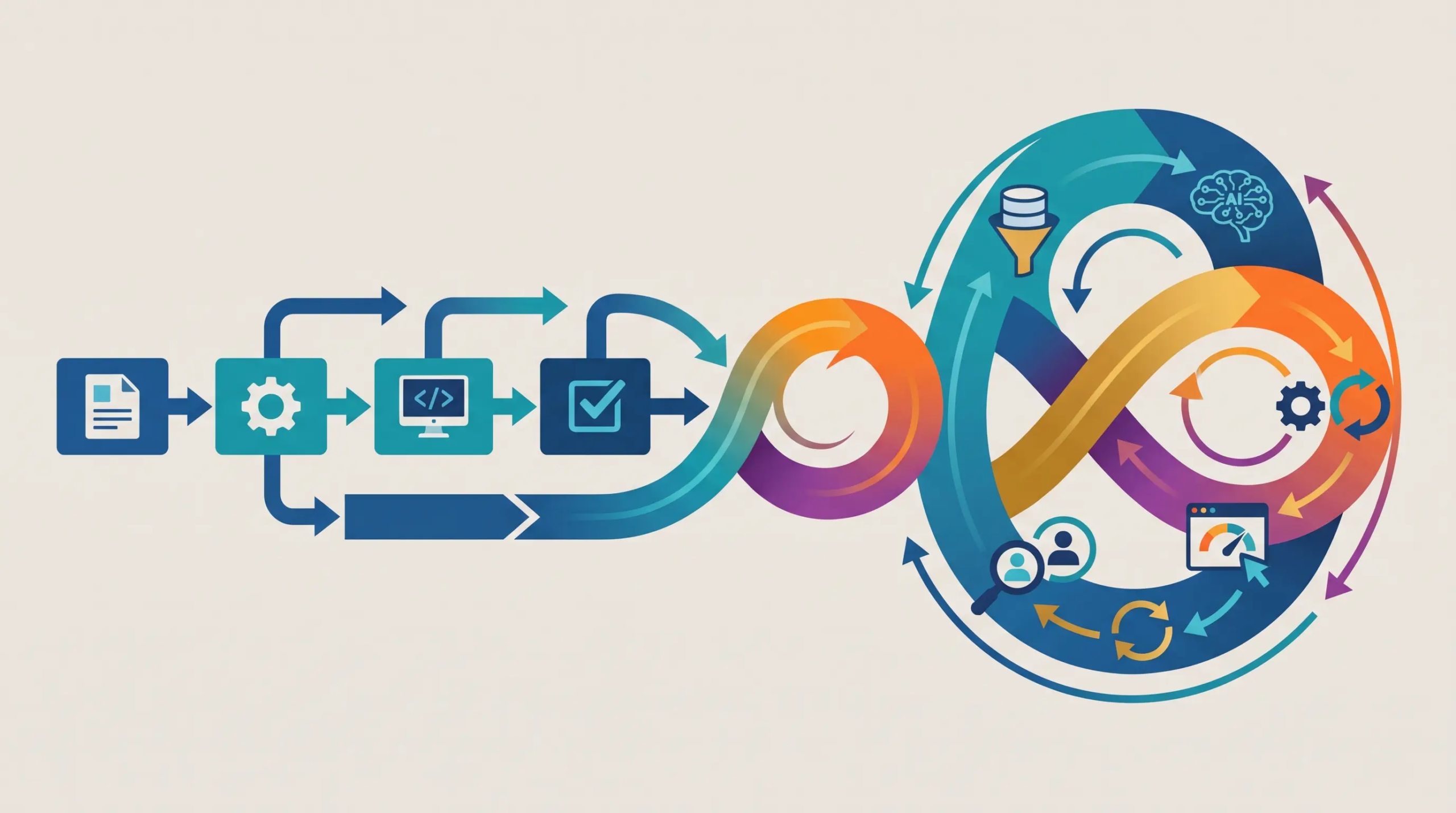
6 Phases to Run a Successful AI Project
saketpratapsinghdm2026-10-25T15:57:35+05:30October 25th, 2026|

How to Transition From Project Manager to PMO Leader
saketpratapsinghdm2026-10-25T14:09:58+05:30October 25th, 2026|

Sustainable AI Starts with Trustworthy AI: A 2026 Guide for Project Managers
saketpratapsinghdm2026-10-24T17:34:12+05:30October 24th, 2026|

Leading Teams Through Change: How Project Managers Can Drive Successful Transformation in 2026
saketpratapsinghdm2026-10-24T16:59:20+05:30October 24th, 2026|
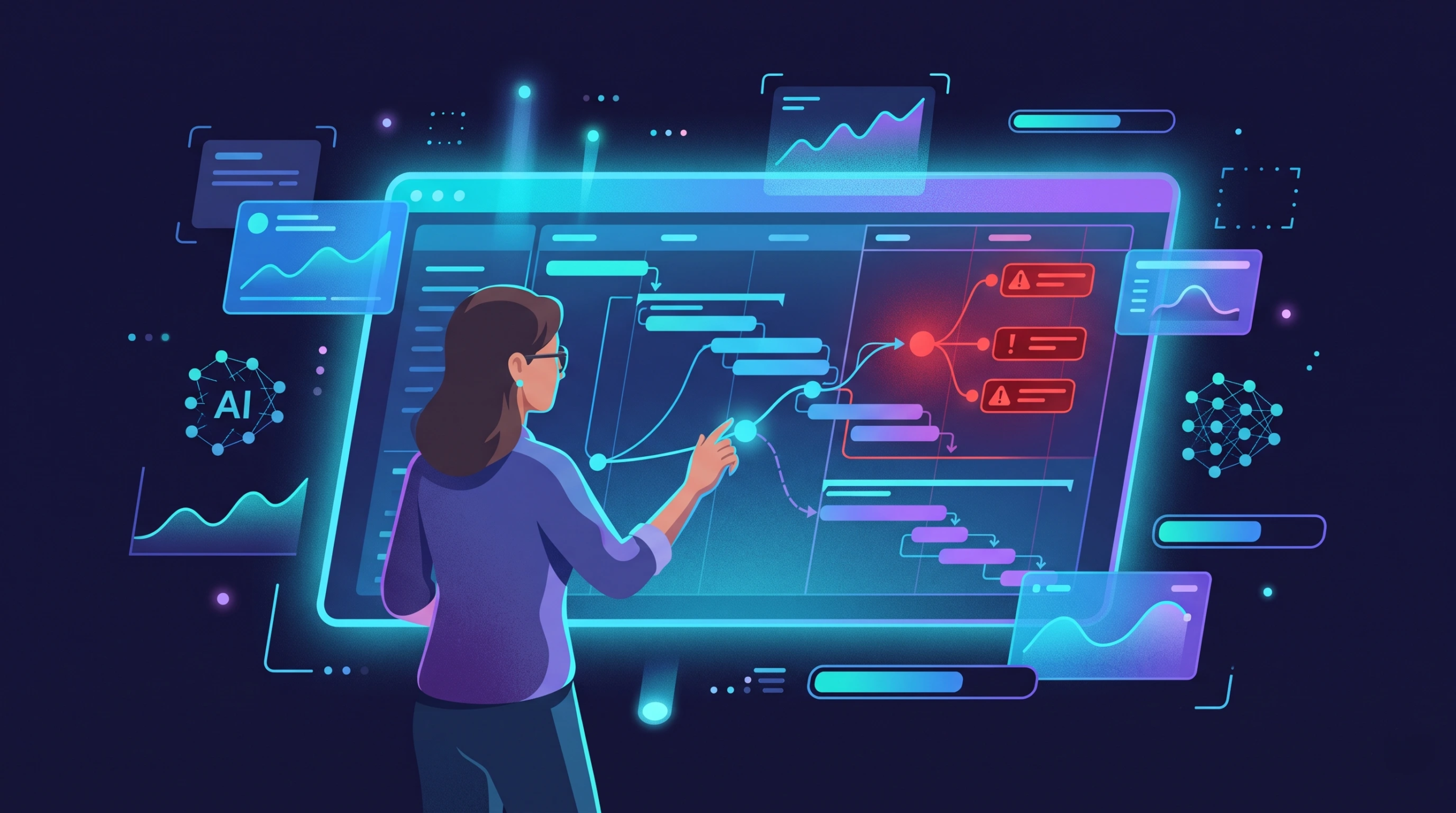
How to Use AI in Project Management: 10 Practical Workflows
saketpratapsinghdm2026-10-24T15:55:17+05:30October 24th, 2026|
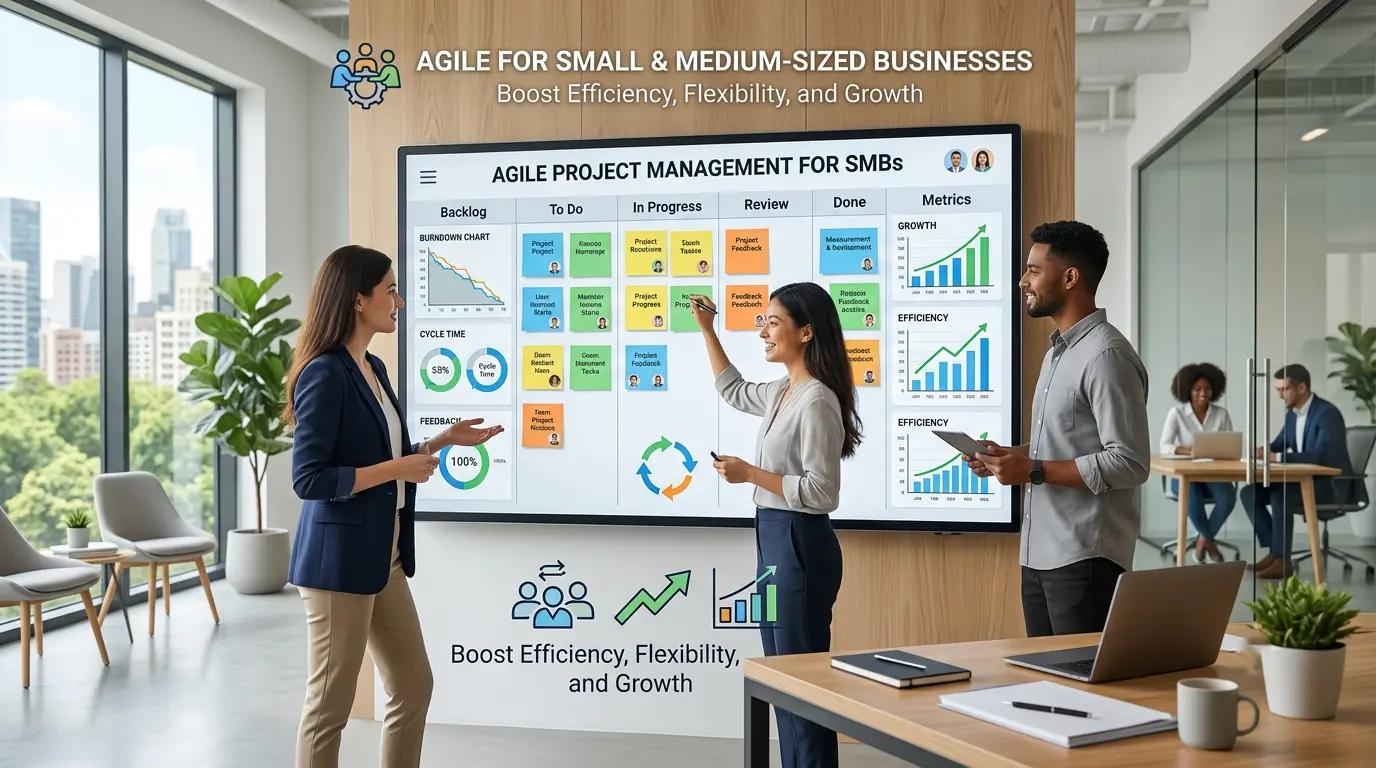
Benefits of Agile Project Management for Small and Medium-Sized Businesses
saketpratapsinghdm2026-09-28T10:12:30+05:30September 28th, 2026|

Work Breakdown Structure (WBS): The Complete PMP Guide, With a Worked Example
saketpratapsinghdm2026-09-21T16:48:15+05:30September 21st, 2026|
Stakeholder Management and RACI: The Complete PMP Guide (With a Worked Example)
saketpratapsinghdm2026-09-21T15:07:42+05:30September 21st, 2026|