The 5 Toughest PMP Exam Topics (and Simple Ways to Master Them)
The 5 Toughest PMP Exam Topics (and Simple Ways to Master Them)
Preparing for the PMP exam is a marathon, not a sprint. While much of the material builds logically, let’s face it: some topics consistently make even the most diligent candidates pause, reread, and maybe even sweat a little. You’re not alone if you find certain areas particularly challenging! Recognizing these toughest PMP topics is the first step; knowing how to conquer them is the key to confidently walking into your exam.
Many aspiring PMPs get bogged down trying to memorize complex details or formulas related to these difficult PMP exam questions, leading to frustration and wasted study time. Common Mistakes to Avoid When Preparing for the PMP Exam. But fear not! This guide identifies 5 notoriously tricky areas and provides simple ways to master them, turning potential roadblocks into stepping stones towards certification success.
Why Focusing on Tough Topics is a Smart Strategy
Your study time is precious. By identifying and dedicating focused effort to the areas commonly found most difficult, you can:
- Address potential weak spots proactively.
- Build confidence by tackling challenges head-on.
- Improve your overall score significantly, as these topics often appear in complex situational questions.
- Optimize your study plan for maximum efficiency.
The Top 5 Toughest PMP Exam Topics (and How to Tame Them):
Here are five areas frequently cited by PMP candidates as being particularly challenging, along with practical PMP study tips:
-
Earned Value Management (EVM): Formulas and Interpretation
- Why it’s Tough: Multiple formulas (SPI, CPI, EAC, ETC, VAC, TCPI), remembering what each means, and interpreting the results in scenario-based questions can feel overwhelming. It’s a core part of PMP earned value management explained.
-
Simple Ways to Master It:
- Focus on Core Formulas: Initially, concentrate on mastering the fundamental formulas for SV, CV, SPI, and CPI. Understand what they tell you about schedule and cost performance.
- Visualize: Draw simple graphs showing planned value (PV), earned value (EV), and actual cost (AC) to visually grasp variances.
- Practice Interpretation: Don’t just calculate; focus on practice questions that ask what action you should take based on SPI/CPI values (e.g., SPI < 1 means behind schedule). Use realistic PMP practice tests for this.
-
Procurement Management: Contract Types & Risk
- Why it’s Tough: Distinguishing between Fixed Price variations (FFP, FPIF, FP-EPA), Cost Reimbursable types (CPF, CPFF, CPIF), and Time & Materials (T&M) contracts, especially regarding where the cost risk lies (buyer vs. seller), trips many up. It’s key to PMP procurement management..
-
Simple Ways to Master It:
- Create a Comparison Table: Make a simple chart outlining each contract type, its acronym, key characteristic, and primary risk allocation (Buyer or Seller).
- Think Risk: Ask “Who bears the cost risk if things go wrong?” for each contract type. This often clarifies the primary distinction.
- Scenario Practice: Work through practice questions presenting scenarios and asking for the most appropriate contract type based on scope clarity and risk tolerance.
-
Risk Management: Quantitative Analysis & Response Strategies
- Why it’s Tough: Moving beyond simple risk identification to quantitative analysis techniques like Expected Monetary Value (EMV) or Decision Tree analysis can be daunting. Choosing the best risk response strategy (Avoid, Mitigate, Transfer, Accept, Escalate) in nuanced situations also requires careful thought. These are core PMP risk management concepts.
-
Simple Ways to Master It:
- Clarify Qual vs. Quant: Ensure you have a solid grasp of qualitative analysis (ranking risks) before diving deep into quantitative (numerical analysis).
- Practice EMV/Decision Trees: Work through examples step-by-step. Understand that EMV helps compare options under uncertainty.
- Context is Key for Responses: For response strategies, focus on the scenario’s specifics. Is the risk’s impact high or low? Can it be eliminated, reduced, shifted, or must it simply be acknowledged?
-
Complex Situational Questions (Especially Agile/Hybrid)
- Why it’s Tough: These aren’t about recalling facts but applying principles in messy, realistic scenarios. They often integrate multiple knowledge areas and test your understanding of the “PMI way” vs. real-world shortcuts. Agile/Hybrid scenarios require shifting mindset and applying appropriate principles. These form many difficult PMP exam questions.
-
Simple Ways to Master It:
- Understand the Principles: Focus on the core values and principles of both predictive (PMBOK Guide structure) and Agile (Agile Manifesto) approaches.
- Look for Context Clues: Keywords in the question often hint at the expected approach (e.g., “iterative,” “adaptive” vs. “plan-driven,” “sequential”).
- Eliminate Wrong Answers: Often, two answers might seem plausible. Look for options that clearly violate PMI ethics, bypass proper process (like change control), or are definitively incorrect based on core principles.
-
Integrated Change Control
- Why it’s Tough: Understanding the formal process for managing changes, the role of the Change Control Board (CCB), and differentiating between a change request and approved change can be confusing, especially in scenarios involving urgent issues or stakeholder pressure.
-
Simple Ways to Master It:
- Visualize the Flow: Draw or study a simple flowchart of the integrated change control process: Request -> Impact Analysis -> CCB Review -> Approve/Reject -> Update Logs/Plans -> Communicate.
- Know the CCB’s Role: Understand the CCB is typically responsible for approving or rejecting changes, not the PM alone (though the PM manages the process).
- Practice Scenarios: Focus on questions where stakeholders try to bypass the process or where urgent changes are needed – understand the correct procedure according to PMI standards.
Overarching Strategy for Tackling Any Tough Topic
Beyond these specifics, apply these general strategies:
- Conceptual Understanding > Rote Memorization: Aim to understand the ‘why’ behind processes and formulas.
- Consistent Practice: Use high-quality practice questions and mock exams specifically targeting these areas.
- Leverage Quality Resources: Ensure your study materials and courses are up-to-date and explain these concepts clearly.
Conclusion
Don’t let the toughest PMP topics derail your certification journey. By recognizing these challenging areas – from the calculations of EVM and risk analysis to the nuances of procurement, situational judgment, and change control – and applying targeted, simple study strategies, you can break them down into manageable parts. Mastering these hardest PMP concepts not only prepares you for difficult PMP exam questions but deepens your overall project management expertise. Tackle them head-on, practice diligently, and you’ll be well on your way to earning that coveted PMP certification and boosting your career.
Your first project is calling—will you answer? Join the ShriLearning Community Connect with fellow PMP aspirants and expert instructors. Crete your study plan for free from ShriLearning study-plan-generator.
Which PMP topic do YOU find the most challenging? Share your experience or questions in the comments below!
More for you
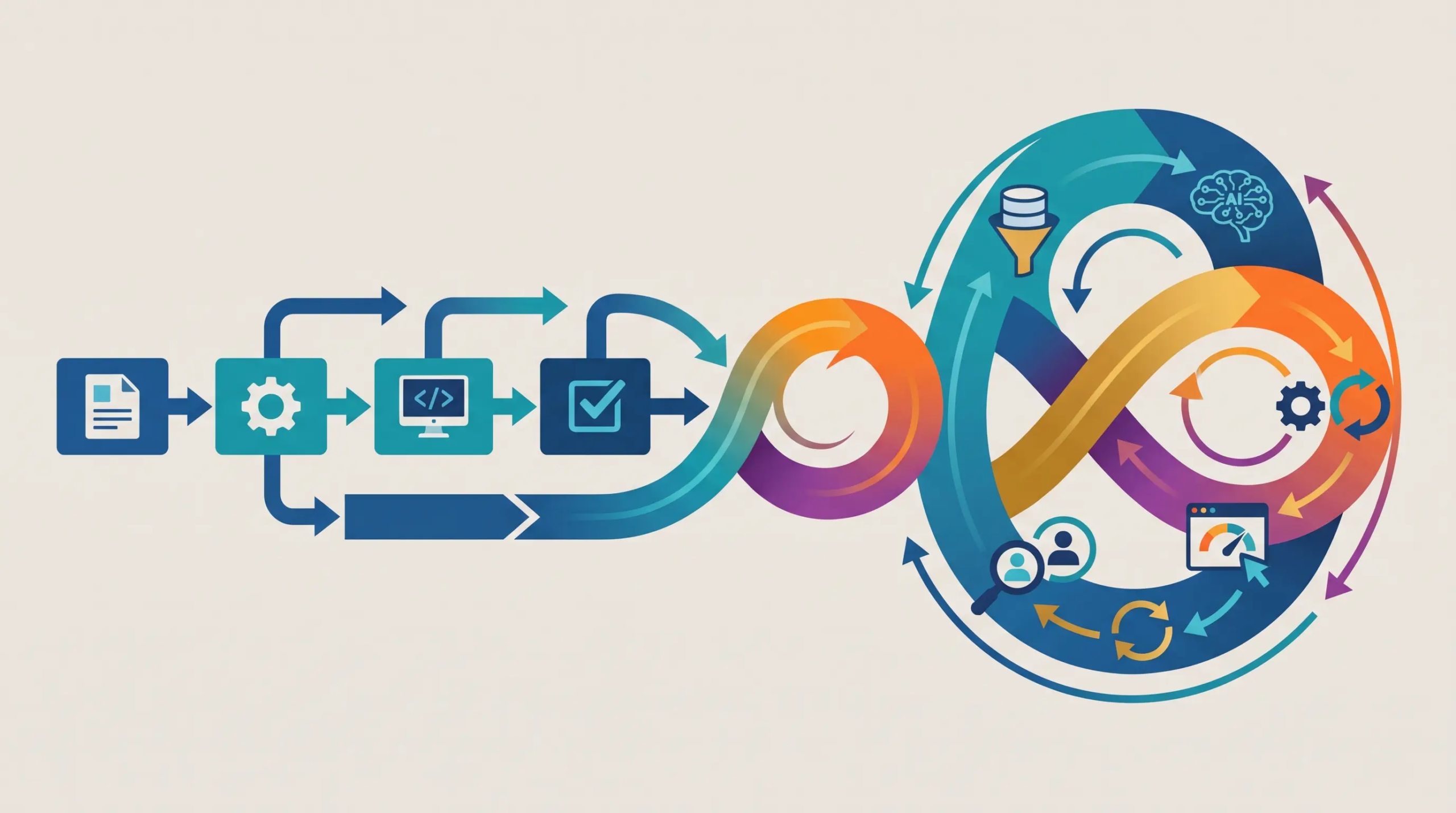

6 Phases to Run a Successful AI Project
saketpratapsinghdm2026-10-25T15:57:35+05:30October 25th, 2026|

How to Transition From Project Manager to PMO Leader
saketpratapsinghdm2026-10-25T14:09:58+05:30October 25th, 2026|

Sustainable AI Starts with Trustworthy AI: A 2026 Guide for Project Managers
saketpratapsinghdm2026-10-24T17:34:12+05:30October 24th, 2026|

Leading Teams Through Change: How Project Managers Can Drive Successful Transformation in 2026
saketpratapsinghdm2026-10-24T16:59:20+05:30October 24th, 2026|

How to Use AI in Project Management: 10 Practical Workflows
saketpratapsinghdm2026-10-24T15:55:17+05:30October 24th, 2026|
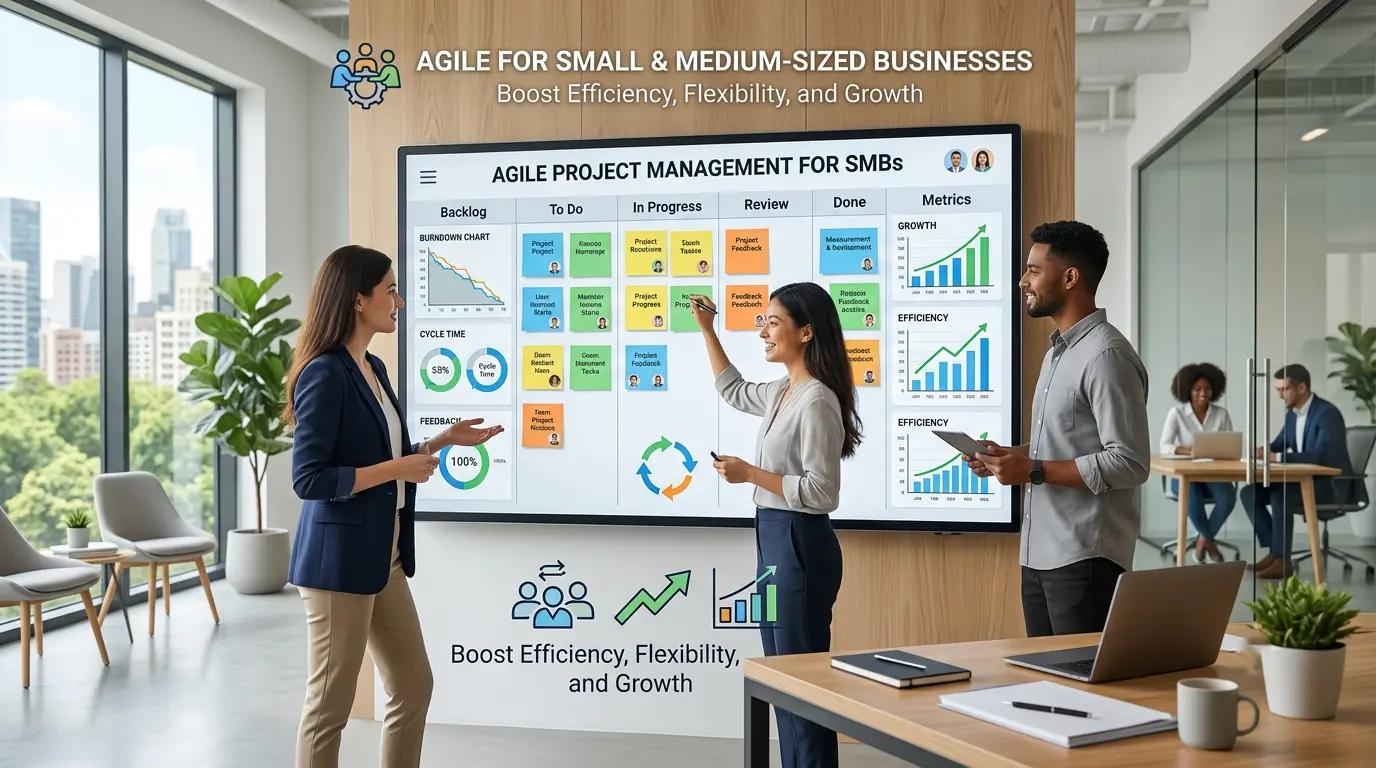
Benefits of Agile Project Management for Small and Medium-Sized Businesses
saketpratapsinghdm2026-09-28T10:12:30+05:30September 28th, 2026|

Work Breakdown Structure (WBS): The Complete PMP Guide, With a Worked Example
saketpratapsinghdm2026-09-21T16:48:15+05:30September 21st, 2026|
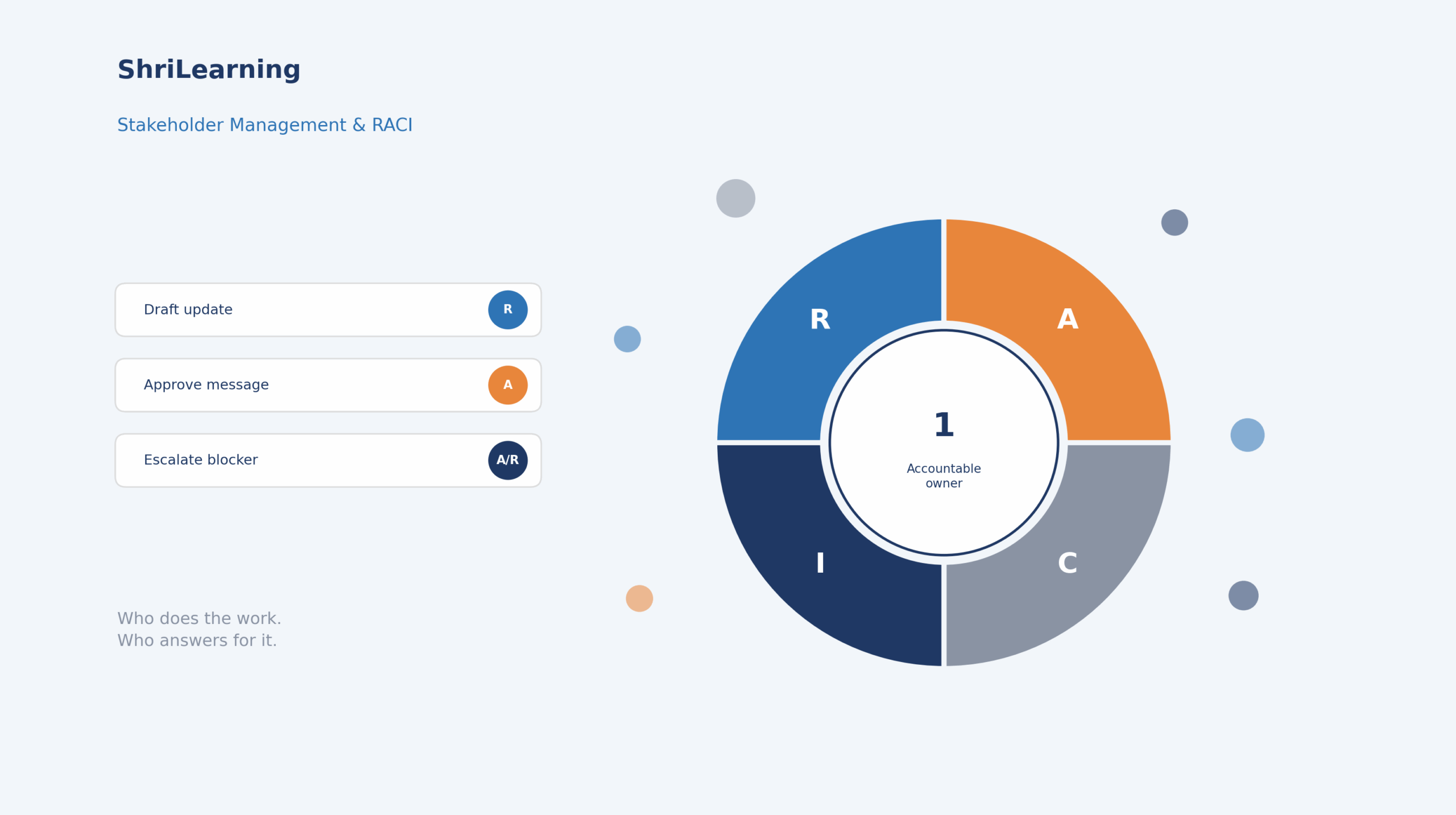
Stakeholder Management and RACI: The Complete PMP Guide (With a Worked Example)
saketpratapsinghdm2026-09-21T15:07:42+05:30September 21st, 2026|