What Should Be The Main Focus Of A New Project Manager? 5 Non-Negotiable Priorities
What Should Be The Main Focus Of A New Project Manager? 5 Non-Negotiable Priorities
Starting your first project management role can be overwhelming. The temptation is to bury yourself in spreadsheets and Gantt charts. However, true project success isn’t about the documents; it’s about people and priorities.
As a New Project Manager, shifting your mindset is crucial. Here are the five non-negotiable priorities you must focus on, in order, to build immediate confidence and success.
1. Build the Client/Sponsor Relationship First
The single most critical factor in your project’s outcome is the relationship with your client, sponsor, or Project Director. This person is the driving force behind the project and the ultimate judge of success.
- The Priority: Your client relationship acts as a shield. If you pay attention to their needs early, they are more likely to forgive the inevitable errors you will make as a new PM.
- The Action: Focus on understanding their expectations and motivations. What does success look like to them? You cannot answer this without building rapport and earning trust.
2. Master the Project Hierarchy (Goals Over Plans)
Before you write a single task, you must internalize the project’s purpose. New project managers often dive straight into tasks without truly understanding the strategic framework. Concentrate your energy on this hierarchy:
- Goals: The ultimate purpose (e.g., Increase market share).
- Objectives: The measurable steps (e.g., Launch Product X by Q3).
- Plans & Actions: The tactical steps to get there.
Never let action items dictate the strategy. Use the client relationship to initiate the process of analyzing and validating your project’s Goals and Objectives.
3. Understand The Triple Constraint (The Iron Triangle)
The Triple Constraint (also known as the Iron Triangle or Time-Cost-Quality Triangle) is the fundamental concept for understanding the tensions and competing priorities on your project.
- The Principle: You cannot change one constraint (Scope, Time, or Cost) without impacting at least one of the others. For example, demanding faster delivery (Time) will increase cost (Cost) or reduce the features (Scope).
- The Power: The Triple Constraint won’t solve your problems, but it will make your options perfectly clear.
- The Action: Use this tool to clarify priorities with your client. Ask: “If we can only have two, which two are they? Is quality more important than time, or is cost non-negotiable?” This alignment is essential for wise decision-making.
4. Prioritize People Management (The Human Discipline)
Project Management is fundamentally a people’s discipline. If you treat your plans and processes as abstract activities, you will fail. Your focus must shift to three key groups:
- Your Project Team: These are the people who make the project happen. You are liable for providing support, leadership, training, and allocating work based on ability. Our guide on Project Manager Challenges emphasizes that team competence is a major factor in success.
- Your Governance Hierarchy: This includes your Steering Group or Project Board. Understand their specific concerns and report to them transparently to maintain rapport and accountability.
- Your Stakeholders: These are the individuals who ultimately decide if your project is a success or failure. Engage positively, inform them of your actions, and gently influence them as needed. This proactive Stakeholder Management is a non-negotiable skill.
5. Work the Risk Register Daily (Shift Happens!)
All projects are inherently uncertain, which creates risk. A common error made by a New Project Manager is creating a beautiful, detailed Risk Register during the Planning Phase and then forgetting about it.
- The Mindset: Risks won’t be deterred by documentation alone. You must work the Risk Register energetically as a day-to-day management tool.
- The Action: Schedule time to review and update the Risk Register weekly. Proactively execute the mitigation plans to lessen the risk profile of your project constantly.
One More Thing: Schedule Thinking Time
You can easily get trapped in the immediate details. Pull yourself back once a week for at least 30 minutes of uninterrupted thinking time. This deliberate pause allows you to see the project as a vast, interconnected whole, recognize patterns that others miss, and bring clarity to an issue that may have been subconsciously overlooked.
Keep advancing in your PMP journey — explore our other in-depth guides
- Agile vs Waterfall: Which Methodology is Right for Your Project?
- The 5 Scrum Events Explained: Purpose, Attendees, and Effective Execution
- Why PMP Aspirants Fail? – And How to Avoid Them
- Confused Between Agile, Hybrid, and Predictive? Here’s a Clear Comparison
- Why You Should Track Your Errors — and How to Do It Right
Your first project is calling—will you answer? Join the ShriLearning Community Connect with fellow PMP aspirants and expert instructors. Crete your study plan for free from ShriLearning study-plan-generator.
FAQs
More for you
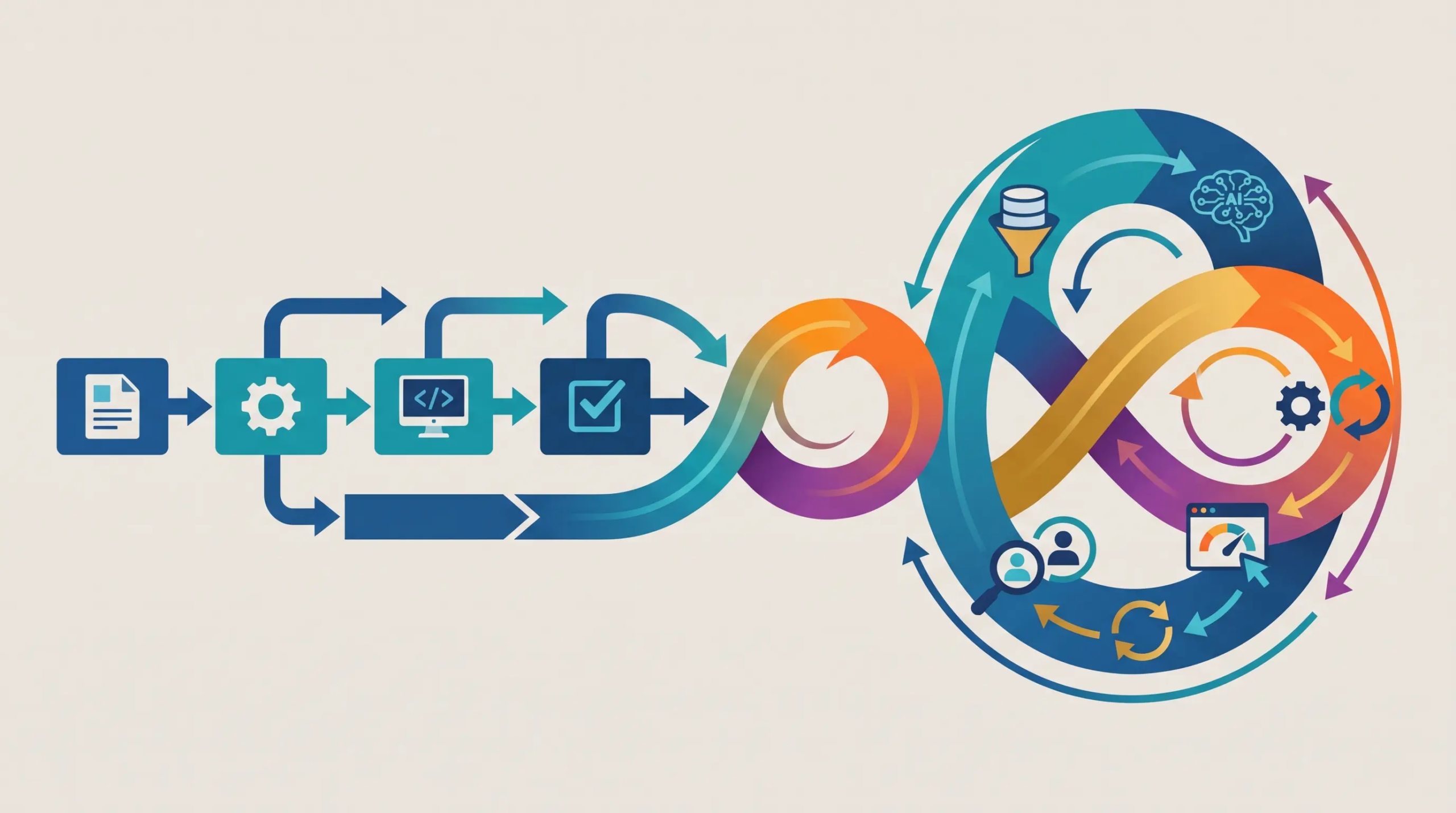

6 Phases to Run a Successful AI Project
saketpratapsinghdm2026-10-25T15:57:35+05:30October 25th, 2026|

How to Transition From Project Manager to PMO Leader
saketpratapsinghdm2026-10-25T14:09:58+05:30October 25th, 2026|

Sustainable AI Starts with Trustworthy AI: A 2026 Guide for Project Managers
saketpratapsinghdm2026-10-24T17:34:12+05:30October 24th, 2026|

Leading Teams Through Change: How Project Managers Can Drive Successful Transformation in 2026
saketpratapsinghdm2026-10-24T16:59:20+05:30October 24th, 2026|

How to Use AI in Project Management: 10 Practical Workflows
saketpratapsinghdm2026-10-24T15:55:17+05:30October 24th, 2026|
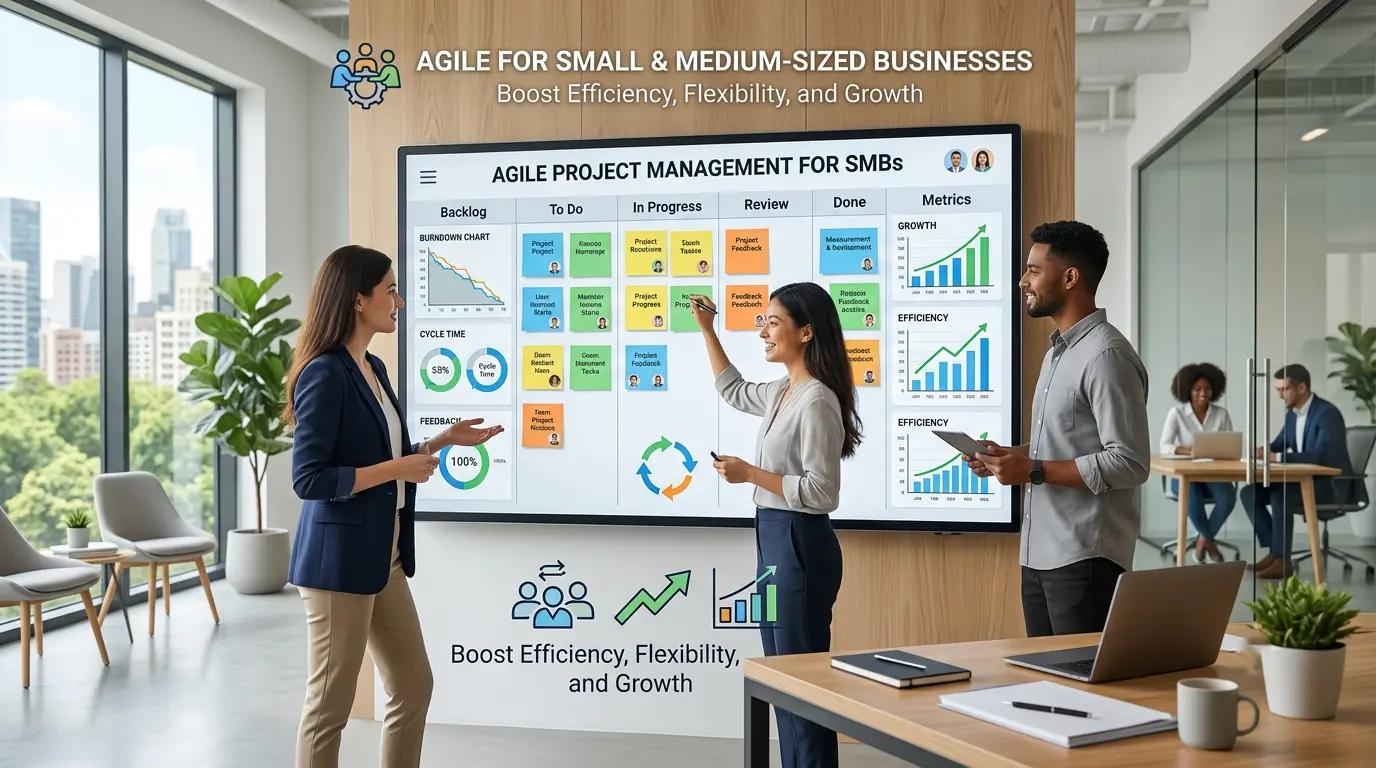
Benefits of Agile Project Management for Small and Medium-Sized Businesses
saketpratapsinghdm2026-09-28T10:12:30+05:30September 28th, 2026|

Work Breakdown Structure (WBS): The Complete PMP Guide, With a Worked Example
saketpratapsinghdm2026-09-21T16:48:15+05:30September 21st, 2026|
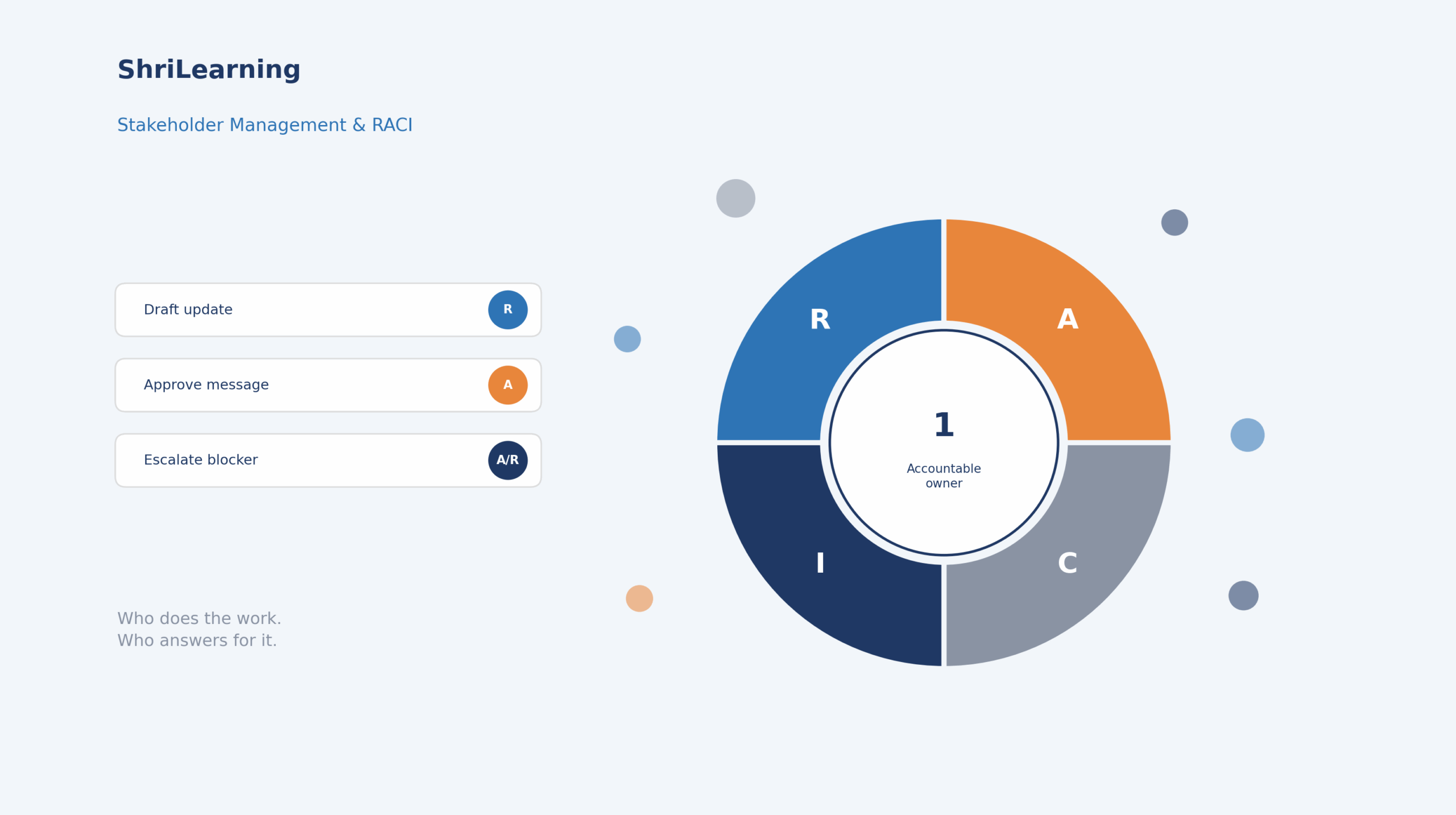
Stakeholder Management and RACI: The Complete PMP Guide (With a Worked Example)
saketpratapsinghdm2026-09-21T15:07:42+05:30September 21st, 2026|