What to Do When You Score 60% on Mocks — But Need 80%
What to Do When You Score 60% on Mocks — But Need 80%
Scoring around 60% on PMP mock tests can feel frustrating—especially when your target is 80% or higher. But don’t panic. This is a common phase in the PMP journey, and with the right strategy, you can bridge that gap faster than you think.
Let’s walk through what to do next.
1. First: Understand What a 60% Score Really Means
A 60% score isn’t a failure. It means you’ve got a solid foundation—but you’re not applying your knowledge consistently across scenarios.
PMI rarely tests direct facts. Instead, they focus on situational judgment, where a slight misinterpretation can cost you the question.
2. Pinpoint Where the Gaps Are
Not all 60% scores are created equal. Are you struggling with:
- A specific domain (e.g., Risk, Stakeholder, Procurement)?
- Agile vs Predictive questions?
- Situational questions where multiple options seem correct?
Use your recent mocks to build a gap matrix.
3. Don’t Take More Mocks—Yet
One of the most common mistakes is to keep taking full mocks without analyzing the previous ones.
Instead:
- Pick the last two mocks you attempted.
- For each question you got wrong, ask: “What concept did I miss or misapply?”
- Use PMBOK, Agile Guide, or coaching videos to correct the concept.
4. Apply the 80/20 Rule to Your Study
Roughly 80% of your score gain will come from fixing 20% of your most frequent mistakes.
If you always struggle with:
- Stakeholder engagement strategies
- Servant leadership questions
- Change control process
…then go deeper there instead of reviewing everything again.
5. Rebuild Confidence With Targeted Quizzing
After reviewing your weak areas, don’t jump into another full mock. Instead:
- Take mini-quizzes (10–20 questions)
- Focus on one domain or question type
- Celebrate 80%+ scores in each quiz before returning to full tests
6. When to Attempt the Next Mock
Once you’ve:
- Fixed your top 3 recurring errors
- Scored 80%+ consistently in 2 or more domain-level quizzes
…then attempt a new full mock. Track both score and confidence per question. Are you guessing less? Do answers make logical sense now?
If yes, you’re on track. If not, revisit the flowchart.
Your first project is calling—will you answer? Join the ShriLearning Community Connect with fellow PMP aspirants and expert instructors. Crete your study plan for free from ShriLearning study-plan-generator.
More for you

How to Use AI in Project Management: 10 Practical Workflows
saketpratapsinghdm2026-10-24T15:48:41+05:30October 24th, 2026|
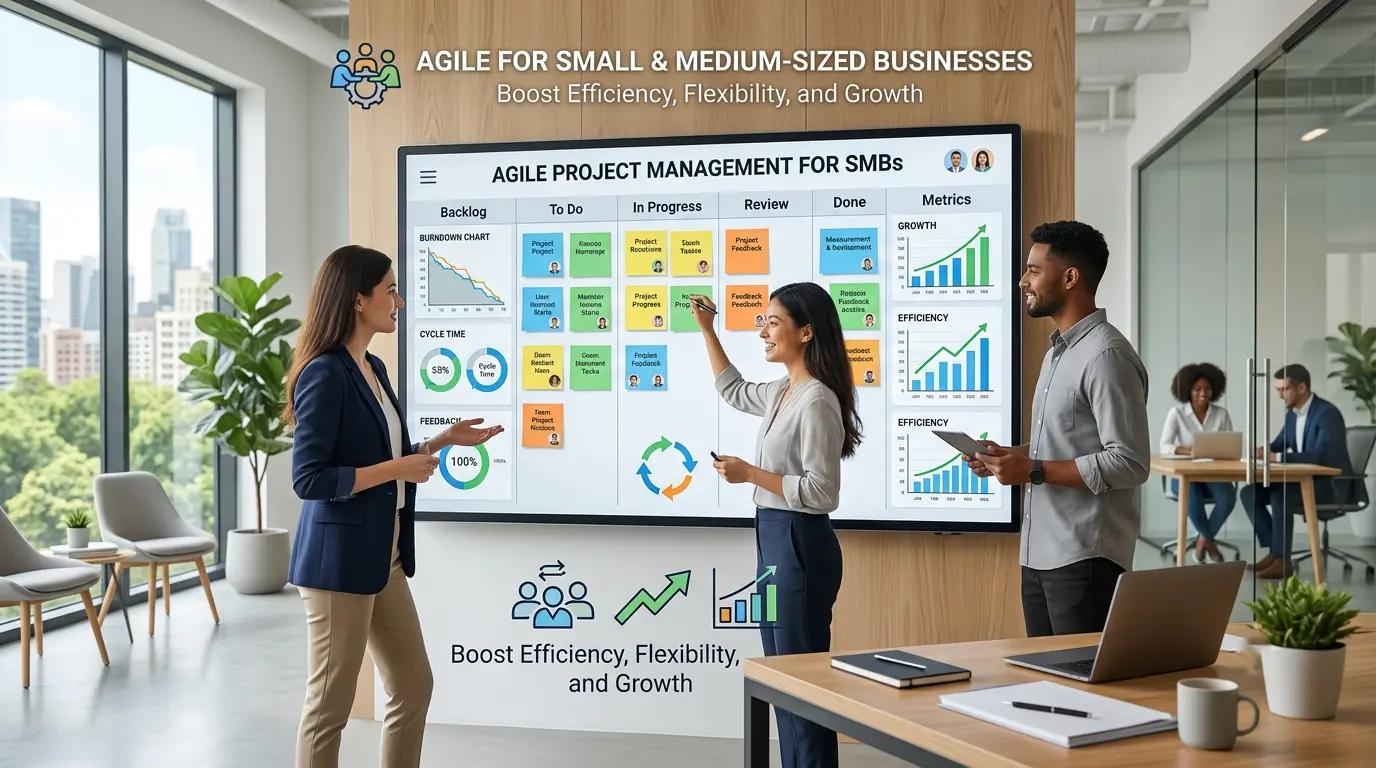
Benefits of Agile Project Management for Small and Medium-Sized Businesses
saketpratapsinghdm2026-09-28T10:12:30+05:30September 28th, 2026|

Work Breakdown Structure (WBS): The Complete PMP Guide, With a Worked Example
saketpratapsinghdm2026-09-21T16:48:15+05:30September 21st, 2026|
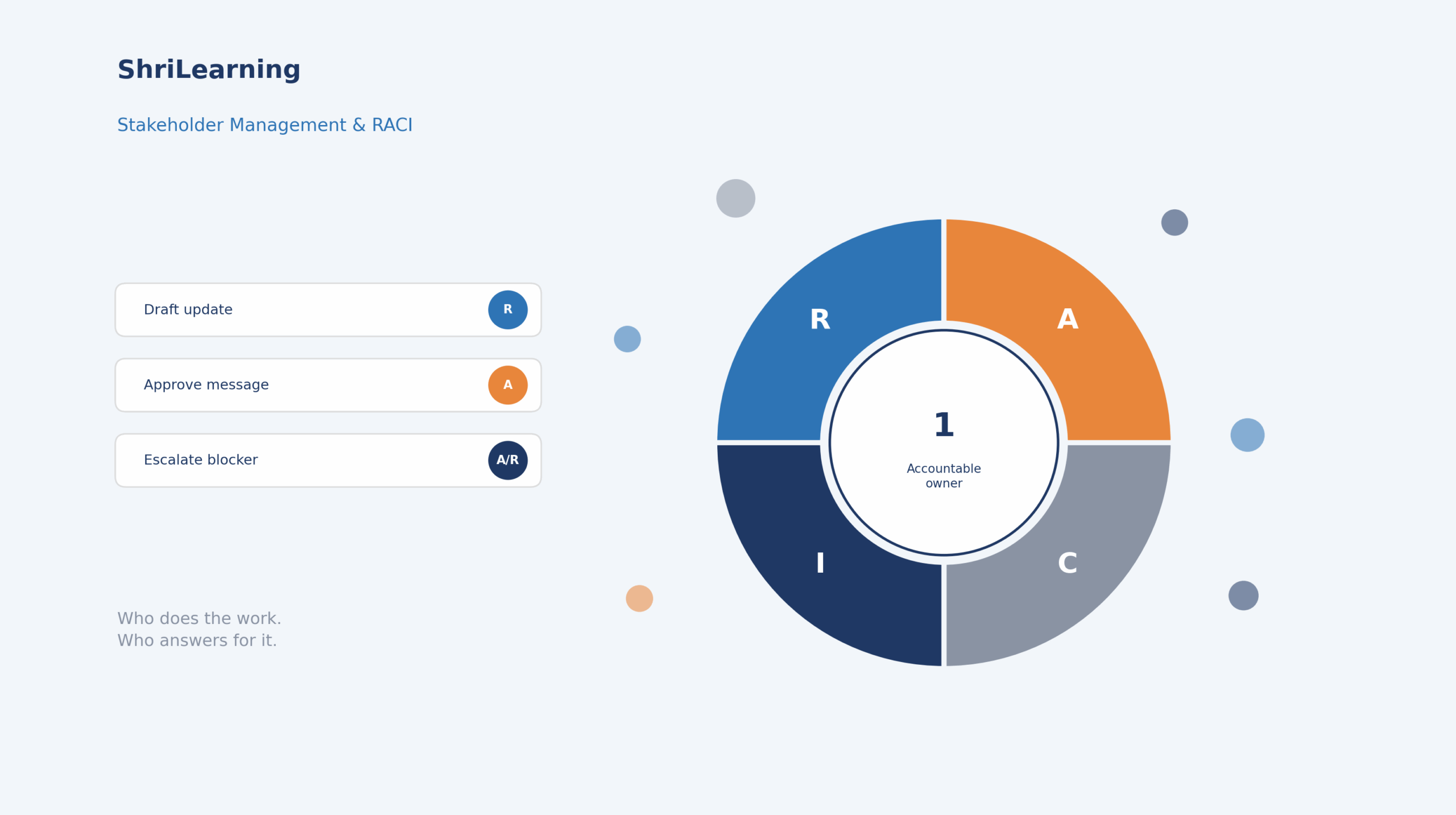
Stakeholder Management and RACI: The Complete PMP Guide (With a Worked Example)
saketpratapsinghdm2026-09-21T15:07:42+05:30September 21st, 2026|
How to Write a Problem Statement (With a PMP-Ready Template and Examples)
saketpratapsinghdm2026-09-21T14:42:27+05:30September 21st, 2026|

Earned Value Management: How to Actually Read CPI and SPI (Not Just Calculate Them)
saketpratapsinghdm2026-09-17T15:32:44+05:30September 17th, 2026|

Agile Practice Guide – Second Edition: What Changed, and What It Means for Your PMI-ACP Prep
saketpratapsinghdm2026-09-17T14:45:53+05:30September 17th, 2026|

Why the PMP People Domain Dropped to 33% (And How to Master It in 2026)
saketpratapsinghdm2026-08-27T21:18:31+05:30August 27th, 2026|